
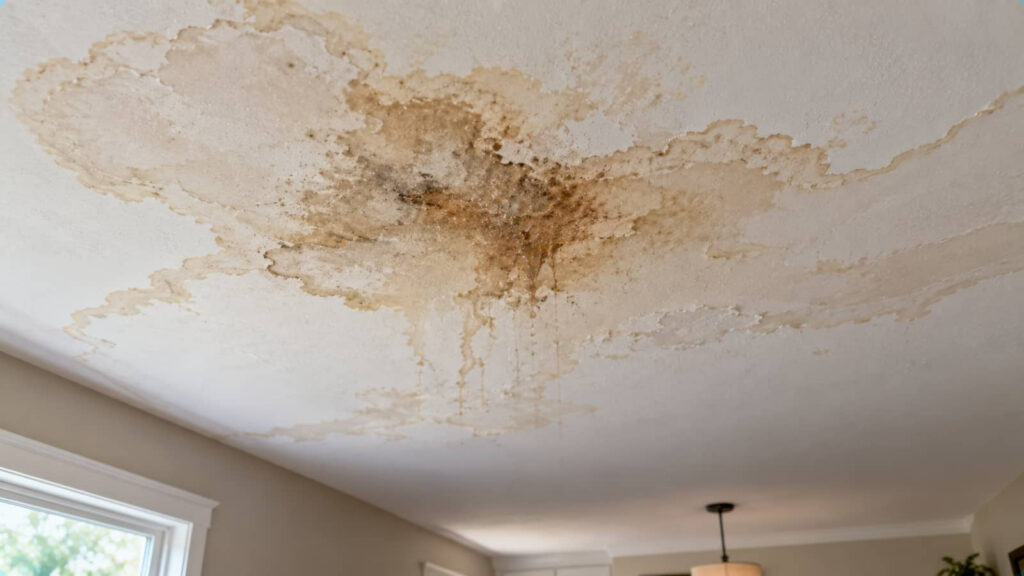
If you’re dealing with a damaged roof, repair cost can shift fast based on leak source, material, and how far the damage spread. You may only need a minor patch, or you could face drywall, plaster, mold, or plumbing-related work that raises the total. Knowing which repairs drive the bill helps you avoid overspending and spot the fix that matters most.
Key Takeaways
- Minor roof-related ceiling repairs can cost a few hundred dollars, while major structural damage can exceed several thousand.
- Repair price depends on damage severity, ceiling material, labor rates, and how quickly the leak is fixed.
- Drywall repairs are usually cheaper than plaster or decorative ceiling finishes, which need more labor and matching work.
- Mold remediation and hidden damage to insulation or framing can significantly increase total repair costs.
- Saving money often means finding the leak early, drying the area fast, and replacing only damaged sections.
How Much Ceiling Water Damage Costs
Ceiling water damage can cost anywhere from a few hundred dollars for a small patch repair to several thousand dollars if the leak has soaked insulation, drywall, framing, or electrical components.
You’ll usually pay more when the damage spreads beyond the visible stain. A minor repair may include drying, sealing, and repainting, while larger jobs need material replacement and cleanup.
You should document the leak right away for insurance claims, since photos and invoices help support your case. Act fast to limit further harm and keep your repair bill lower.
Simple preventative measures like inspecting flashing, clearing gutters, and fixing roof leaks early can save you money and help you stay ahead of future damage.
What Affects Ceiling Repair Costs
Your ceiling repair cost depends first on damage severity, since minor staining costs far less than collapsed drywall or structural repair.
Material type also matters because plaster, drywall, and specialty finishes each require different products and methods.
Labor rates can raise or lower your total based on local pricing, job complexity, and how long the repair takes.
Damage Severity
Damage severity is one of the biggest factors in ceiling repair costs, because minor stains, localized drywall cracks, and small leaks usually need only patching and repainting.
In contrast, sagging drywall, widespread water intrusion, and structural damage often require demolition, mold remediation, insulation replacement, and full resurfacing.
You can judge damage indicators by checking discoloration, soft spots, peeling tape, and ongoing dripping.
Higher repair urgency usually means a larger bill, since delays let moisture spread and weaken framing above the ceiling.
If you catch the problem early, you’ll often stay in the lower-cost range and keep your home safe.
For a team-minded approach, document the damage, protect the area, and get a prompt inspection so you can plan the right fix without extra surprises.
Material Type
The material in your ceiling often sets the baseline for repair cost, since different surfaces need different tools, labor, and finishes. You’ll see costs shift with drywall, plaster, wood paneling, or textured systems, because each one handles patching differently.
Roof leaks can also mirror shingle types, which change how water spreads and what parts need replacement. Watch for:
- drywall seams that crack
- plaster that needs bonding
- texture matching
- stain sealing
- insulation impact on hidden damage
If moisture reaches insulation, you may need extra drying and replacement before finishing the surface. That adds material cost, but it keeps your space solid and your home team aligned.
Choosing compatible repair materials helps you avoid repeat damage and keeps the fix clean, durable, and affordable.
Labor Rates
Labor rates often make up a large share of ceiling repair costs, and they can swing based on job complexity, local wage levels, and how much prep the repair needs.
You’ll usually pay more when the repair involves structural damage, high ceilings, or careful texture matching. Contractors also adjust quotes as labor market trends shift, so busy seasons and shortages can push prices up.
Regional pricing differences matter too; urban crews often charge more than rural ones because overhead and demand are higher.
To keep costs steady, ask for itemized bids, compare at least three licensed pros, and confirm whether cleanup and travel are included.
When you understand the rate drivers, you can budget with your crew of choice.
Minor vs. Major Ceiling Damage
When you spot ceiling issues after a roof leak, you need to separate minor surface damage from major structural problems. You can often handle minor repairs when you see small stains, hairline cracks, or soft spots that stay localized.
Major repairs are likely when sagging spreads, insulation stays wet, or framing feels compromised.
- Check for active drips.
- Press gently for softness.
- Look for widening cracks.
- Note any ceiling sag.
- Call a pro if you’re unsure.
You and your home team can act fast by documenting damage and stopping water intrusion first.
That helps you avoid wasted spending and keeps your repair plan aligned with real risk.
Drywall Ceiling Repair Costs
Drywall ceiling repair costs usually depend on the damage size, access, and whether you need only patching or a full section replacement.
You’ll often pay more when the leak hit joists, insulation, or electrical lines, because the job needs extra labor and careful drywall installation. Small repairs can stay affordable, while larger cuts raise material and finishing costs.
If you want clean ceiling aesthetics, plan for taping, mudding, sanding, and repainting after the repair. You can save money by matching existing sheet size and texture, but don’t skip proper sealing if moisture caused the damage.
A licensed contractor helps you compare bids, spot hidden issues, and keep the final surface level, safe, and visually consistent with the rest of your home.
Plaster Ceiling Repair Costs
Plaster ceiling repair costs usually rise with crack depth, ceiling height, water damage, and whether you need spot repairs or a full replastering.
You’ll usually pay more for lath-and-plaster systems than newer coats, and the right plaster types affect labor, curing time, and finish matching. To stay in control, compare bids by scope and ask for clear line items.
- Small crack patch: lower cost
- Sagging sections: moderate cost
- Full replastering: highest cost
- Decorative ceiling finishes: extra labor
- Matching historic texture: specialty pricing
If you’re in a shared neighborhood or older home, you’re not alone—these repairs often need skilled hands.
Focus on prep, material quality, and a clean blend with the existing ceiling so the result looks intentional and lasts.
Mold Removal After a Ceiling Leak
After fixing a leak in the ceiling, mold removal often becomes the next cost to address, especially if water sat long enough to soak insulation, framing, or finished surfaces.
You’ll usually pay for inspection, containment, HEPA vacuuming, antimicrobial treatment, and disposal of contaminated materials. If growth has spread behind drywall, you may need selective demolition, which raises labor costs.
The goal is mold prevention, so you should dry the area fast, control humidity, and remove all damaged porous material.
For ceiling restoration, expect follow-up repairs after cleanup, including patching and repainting.
You’re not alone in this process; many homeowners face the same hidden damage after leaks. Acting quickly keeps costs lower, protects indoor air quality, and helps your repair team restore the space safely and cleanly.
Roof Leak Ceiling Repair Costs
When you price roof leak ceiling repair costs, start by locating the leak source, since access and tracing can change labor time fast.
Next, assess the ceiling damage, including stains, sagging drywall, and insulation saturation, because each condition affects the repair scope.
Your final cost will depend on material replacement, labor rates, and whether you need structural or moisture remediation.
Leak Source Detection
Where’s the leak coming from? You can narrow it fast by using leak detection methods and identifying leak sources before repairs start.
Check likely entry points:
- Roof vents and flashing
- Chimney joints
- Missing or lifted shingles
- Valleys and seams
- Fasteners around skylights
Trace stains upward, not just where water drips. Use a hose test in short sections, then wait for interior signs.
Inspect after rain, when active paths show best. If you belong to a busy household, coordinate the test so someone watches inside while you work outside.
Mark each suspect area, then compare findings with the leak’s timing and location. This keeps your repair plan focused and your ceiling cost estimate more accurate.
Ceiling Damage Assessment
How severe is the ceiling damage? You’ll want to inspect stains, bubbling paint, sagging drywall, and soft spots right away.
Minor discoloration often means moisture reached the finish layer, while a bowed surface can signal soaked ceiling insulation above. Press gently around the area; if it feels spongy or flakes, the damage has spread.
Check for active dripping, mold odor, or cracked joints, because these signs point to deeper intrusion. You should mark the affected section and photograph it for comparison after drying.
Pay attention to aesthetic considerations too, since visible patching can affect room appearance and your sense of comfort at home.
A clear assessment helps you and your contractor decide whether simple drying, localized repair, or broader replacement is the right next step.
Repair Cost Factors
Repair costs for a roof leak ceiling repair usually rise with the size of the damaged area, the materials involved, and whether the leak is still active. You’ll also pay more if water reached insulation, framing, or wiring. Act fast to limit spread and keep your home team on track.
- Patch size
- Drywall or plaster type
- Water damage depth
- Labor rates
- Insurance coverage and deductibles
Seasonal maintenance can lower your risk and help you catch failures early.
If you belong to a neighborhood repair group, compare quotes and schedules so you don’t overpay. Ask for a detailed estimate, confirm moisture readings, and verify cleanup costs.
That way, you protect your ceiling, control expenses, and avoid repeat damage.
Plumbing Leak Ceiling Repair Costs
A plumbing leak can damage a ceiling quickly, and repair costs usually depend on how far the water spread and whether the leak is still active.
You’ll usually pay for drying, stain removal, drywall replacement, joint finishing, and repainting. If the leak has softened insulation or framing, your total rises because repairs must address hidden damage too.
Minor ceiling patches can stay modest, while larger sections need full replacement and texture matching. You should also expect plumbing issues to drive costs up if pipe access is tight or fixtures need removal.
For homeowners focused on leak prevention, prompt inspection helps you stay ahead of recurring damage and keeps the repair scope controlled.
Team up with trusted pros so you can protect your home and budget.
How to Lower Ceiling Repair Costs
When you catch ceiling damage early, you can usually cut repair costs by limiting the affected area and preventing hidden issues from spreading. You should inspect the stain source, then dry the cavity fast.
If you belong to a hands-on crew, use cost saving tips like these:
- Shut off water and confirm the leak source.
- Remove only damaged drywall, not full sheets.
- Dry framing with fans and a dehumidifier.
- Match texture and paint after patching.
- Handle simple DIY repairs when the structure is sound.
You’ll save more when you document damage, compare quotes, and avoid premium materials unless they’re needed.
If you spot sagging, mold, or electrical risk, call a pro. That keeps your repair tight, safe, and affordable.
Frequently Asked Questions
How Do I Know if My Roof Needs Emergency Tarping?
You need emergency tarping if you see active leaks, missing shingles, exposed decking, or storm damage. During a roof inspection, follow emergency procedures fast to protect your home and keep your household safe.
Can Insurance Cover Temporary Roof Leak Repairs?
Yes, your insurance policies may cover temporary roof leak repairs if leak coverage includes sudden damage. You should document the leak, make emergency fixes fast, and contact your insurer to confirm limits and exclusions.
How Long Can I Wait Before Fixing a Damaged Roof?
You shouldn’t wait long; fix it within days. Roof repair timelines depend on damage severity, but weather impact can rapidly worsen leaks, rot, and insulation loss. You’ll protect your home and stay in control together.
Should I Repair or Replace a Storm-Damaged Roof?
You should repair if the storm impact is localized and the structure’s sound; replace if damage is widespread or recurring. A qualified roof repair inspection helps you choose the safer, smarter, sturdier fix.
What Signs Indicate Hidden Roof Damage After a Leak?
You’ll spot hidden roof damage through leak detection, water stains, ceiling damage, insulation issues, mold growth, and weakened structural integrity. Check attic wood, drywall, and flashing; you’ll protect your home and belong to a safer, informed community.
Summary
You’ve seen how roof damage drives ceiling repair costs, from small drywall patches to major mold remediation. The faster you act, the more you can limit labor, material, and water-loss expenses. Why let a leak spread across your ceiling like a dark stain widening after every storm? Inspect the source, dry the area fast, and choose targeted repairs. That practical approach helps you control costs and protect your home before the damage gets worse.