
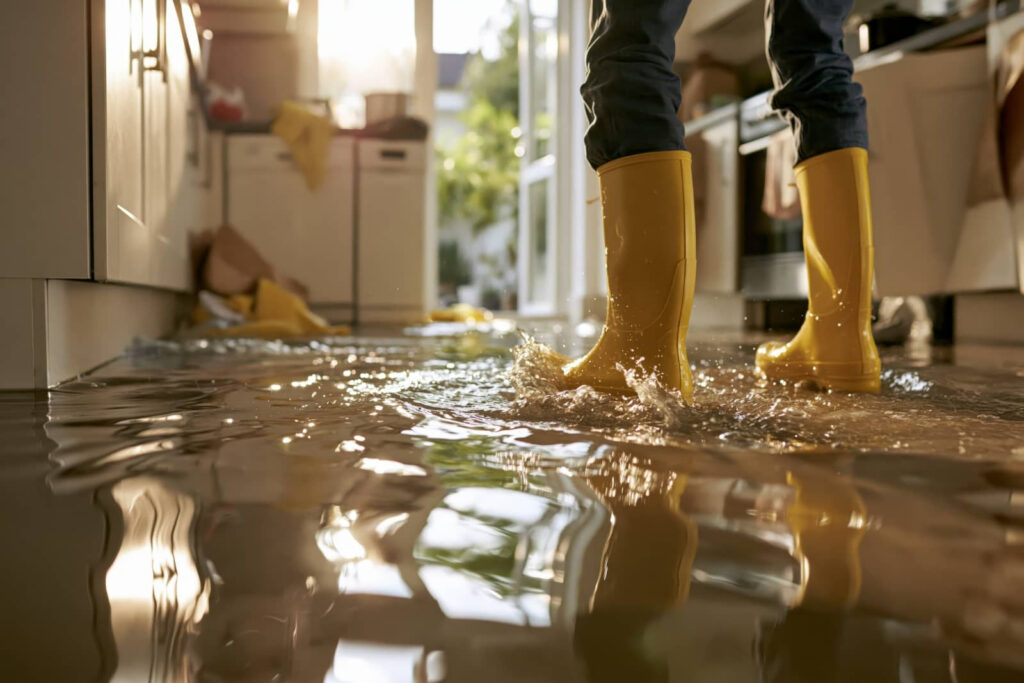
Could the fastest cleanup really start before you grab a mop? Rapid Home Cleanup begins by shutting off the water and power, then clearing standing water with a pump or wet vac from the lowest point. After that, dry the space with airflow and dehumidifiers, save wet items before mold takes hold, and sanitize surfaces while documenting the damage. The order matters more than you might think, especially when every minute can affect what you’re able to save.
Key Takeaways
- Shut off water and electricity first to keep the cleanup area safe.
- Remove standing water quickly with a wet vacuum, pump, or buckets.
- Increase airflow with fans, open windows, and a dehumidifier to speed drying.
- Move wet furniture, rugs, and papers to dry areas immediately.
- Clean and sanitize hard surfaces, then inspect and document damage room by room.
Flood Cleanup: Stop the Water and Turn Off Power
If water is still coming in, stop it fast by shutting off the main supply or the source of the leak, then cut power to the affected area at the breaker box if it’s safe to do so.
Next, check on everyone in your home and keep pets clear of danger. Call your emergency contacts and let someone know you need help.
If you can, document the damage with quick photos for flood insurance. Move to higher ground and avoid wet outlets, cords, and appliances.
Wear sturdy shoes and gloves when you re-enter. If you smell gas, leave right away and call the utility company.
Stay calm, stick together, and focus on safety first. Quick action protects your home and helps your household recover with less stress and more confidence.
Remove Standing Water Fast
Once the area is safe, remove standing water as quickly as you can to limit damage and mold growth.
Start with a wet vacuum, sump pump, or buckets, depending on depth. Work from the lowest point and keep moving water out in a steady flow.
If water keeps coming in, set up drainage solutions to guide it outside and use water barriers to block fresh entry at doors or vents.
Scoop debris as you go so pumps don’t clog. Check hidden corners, closets, and under furniture, because trapped water spreads fast.
Team up with neighbors or family members so you can finish sooner and stay organized.
Wear boots and gloves, and empty collected water away from the house.
Dry Walls, Floors, and Air
Now that the water is out, dry walls, floors, and the air as quickly as possible to prevent mold and further damage. Open windows if weather allows, and run fans to boost air circulation in every affected room.
Use a dehumidifier for steady humidity control, especially in closed spaces like basements and hallways. Pull furniture slightly away from walls so air can move behind and beneath them.
Lift rugs and mats, then place them where airflow can reach both sides. Keep interior doors open to help rooms dry together, and check hidden corners, baseboards, and closets for lingering dampness.
You’re not tackling this alone; steady drying helps your whole home recover faster and feel safe again.
Salvage Wet Items Before Mold Spreads
Move wet items out of the damaged area as soon as you can, because mold can start growing fast. You’ll protect your belongings and keep your cleanup team on track with quick mold prevention.
Focus on item restoration by saving what still has a chance.
- Bag small fabrics separately.
- Stand books and papers upright.
- Remove cushions, rugs, and toys.
- Sort items by value and drying needs.
Use clean towels to blot excess water, then place items in a dry, airy spot with space between them. Don’t stack anything, since trapped moisture slows recovery.
If you act fast, you give your home a better shot at recovery and help everyone feel less overwhelmed. Keep moving with purpose, and you’ll save more than you lose.
Sanitize Surfaces and Inspect for Damage
Wipe down hard surfaces with soap and water first, then sanitize them with a disinfectant that matches the material. Let cleaners stay wet for the label time, and use surface disinfectants on counters, handles, and switches.
Keep windows open if you can, and wear gloves for extra protection. After cleaning, do a damage assessment of walls, trim, floors, and appliances. Look for swelling, stains, warped boards, loose outlets, and cracked seals.
If you spot damage, take photos and note what needs repair so you can share clear details with your team or insurer. Work room by room so you stay organized, and check off each area as you finish.
That pace helps you and your household move forward together with confidence.
Frequently Asked Questions
How Do I Prioritize Cleanup Tasks During a Whole-House Mess?
You start with task assessment: handle safety hazards, trash, and dishes first. Then use time allocation by room, focusing on visible clutter and high-use spaces. You’ll feel progress fast, and your home won’t seem overwhelming.
What Supplies Should I Keep Ready for Rapid Home Cleanup?
You’ll want Cleaning Essentials like microfiber cloths, all-purpose spray, sponges, trash bags, gloves, and a broom. Keep Quick Storage bins, baskets, and labels ready so you can sort clutter fast and feel in control.
How Can I Clean Quickly With Limited Time and Energy?
You can clean fast by testing a theory: small, focused speed cleaning beats marathon effort. Tackle visible clutter first, use energy hacks like timers and baskets, and you’ll feel in control with less exhaustion.
When Should I Call Professional Cleaners Instead of Doing It Myself?
Call professional cleaners when you’re overwhelmed, short on time, facing deep grime, or need special equipment. You’ll often get cost benefits from faster results, less stress, and a cleaner home you can enjoy with others.
How Do I Prevent Cleanup From Disrupting My Family Routine?
You’ll protect your family routine by treating cleanup like a gentle train schedule: set a cleanup schedule, assign small tasks, and invite family involvement. Keep sessions short, predictable, and shared so everyone feels included.
Final Thoughts
Now the real race begins. You’ve stopped the water, cut the power, and cleared the worst of the flood, but hidden moisture can still creep in and turn a bad day into a bigger loss. Keep drying, salvage what you can, and clean every surface before mold takes hold. Then inspect closely, document the damage, and note what still needs repair. Act fast, stay methodical, and you’ll keep your home from slipping further into ruin.