
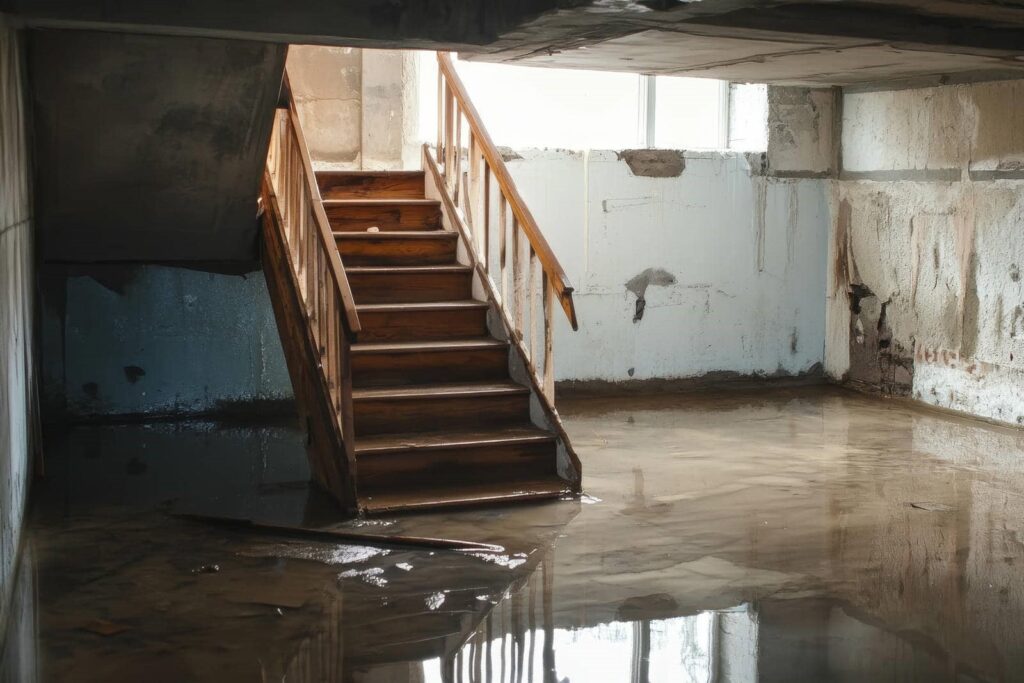
When faced with flood damage, knowing how to respond effectively is vital. You’ll want to start with a clear assessment of the situation and prioritize safety. Quick action can make a significant difference in minimizing damage and preventing health risks. Understanding the essential steps can help guide you through the restoration process. Let’s explore these key strategies to ensure thorough recovery and protection for your property.
Key Takeaways
- Conduct a thorough damage assessment and document all findings with photos and detailed notes for insurance purposes.
- Ensure safety by wearing protective gear and turning off utilities before starting restoration efforts.
- Act quickly to remove standing water using appropriate pumps and dehumidifiers to prevent further damage.
- Clean and disinfect affected areas, removing contaminated materials and using effective disinfectants to ensure safety.
- Engage with your insurance provider early, keeping records of communication, and involve local contractors for specialized flood repair.
Assess the Extent of Damage
How can you effectively assess the extent of damage after a flood? Start by conducting a thorough damage assessment of your property.
Look for visible signs of water intrusion, such as discoloration, peeling paint, or warped floors. Pay close attention to the structural integrity of walls, foundations, and beams—any signs of buckling or cracks could indicate serious issues.
Document everything with photos and notes for insurance purposes. If it’s safe, check the electrical systems and plumbing for damage.
It’s essential to identify which areas are salvageable and which may require professional help.
Ensure Safety First
After evaluating the extent of damage, ensuring safety is paramount before you proceed with any restoration efforts. Protecting yourself and your loved ones should be your top priority.
Here are essential steps to follow:
Wear safety gear: Equip yourself with gloves, masks, and sturdy boots to shield against contaminants.
Turn off utilities: Disconnect electricity and gas to prevent hazards, especially if water has reached electrical outlets.
Have emergency contacts ready: Keep a list of local emergency services, such as electricians and plumbers, for quick access.
Avoid floodwater: Stay clear of standing water, as it may conceal dangerous debris or pose electric shock risks.
Remove Standing Water
Once you’ve ensured safety, it’s vital to act quickly to remove standing water.
Using pumps efficiently can greatly speed up the process, preventing further damage and mold growth.
Be sure to follow all safety precautions to protect yourself and your property during this essential step.
Use Pumps Efficiently
When you face the aftermath of a flood, using pumps efficiently to remove standing water is crucial for minimizing damage and promoting faster recovery.
To achieve this, consider these key steps:
Choose the Right Pump Types: Submersible pumps are great for deep water, while sump pumps handle smaller areas effectively.
Inspect and Maintain Your Pumps: Regular maintenance ensures they operate smoothly when needed.
Position Pumps Strategically: Place pumps in the lowest areas to maximize water removal.
Monitor Water Levels: Keep an eye on the water depth to adjust pumping as needed, ensuring you’re not missing any pockets of standing water.
Safety Precautions First
Using pumps effectively sets the stage for a safe recovery process, but your safety should always come first.
Before removing standing water, verify you have an emergency kit ready, stocked with essentials like flashlights, batteries, and first-aid supplies. Wear protective gear, including gloves and boots, to shield yourself from contaminants.
If you’re unsure about the water’s safety, test for electrical hazards and avoid wading into deep areas. Familiarize yourself with flood preparedness tips, as they can guide you through potential dangers.
Once conditions are safe, start pumping out excess water gradually to prevent structural damage.
Dry Out Affected Areas
As soon as the floodwaters recede, it’s crucial to dry out the affected areas promptly to prevent further damage and mold growth.
Here’s how you can effectively manage this process:
Use dehumidifiers: Set up multiple dehumidifiers in the affected spaces to extract moisture from the air. This helps in reducing humidity levels quickly.
Enhance airflow: Open windows and doors to promote ventilation. This natural airflow can greatly aid in drying out wet surfaces.
Employ fans: Position fans strategically to direct air towards damp areas. This accelerates evaporation and helps in drying out carpets and furniture.
Check for hidden moisture: Inspect walls, ceilings, and floors for any hidden water pockets. Address these areas with additional drying methods to esure thorough moisture removal.
Clean and Disinfect
After you’ve dried out the affected areas, it’s essential to clean and disinfect to prevent mold and bacteria growth.
Start by removing any contaminated materials, such as carpets or drywall, that can’t be salvaged.
Then, use proper disinfectants to wipe down surfaces, ensuring a safe environment moving forward.
Remove Contaminated Materials
Floodwaters can introduce a host of contaminants into your home, making it essential to remove any affected materials promptly.
Start by identifying and disposing of contaminated debris and hazardous materials to protect your health and safety.
Follow these steps:
Assess the damage and identify items like carpets, drywall, or furniture that absorbed floodwaters.
Remove any contaminated materials immediately, ensuring you wear protective gear.
Bag the debris securely to prevent further contamination in your home.
Dispose of the materials according to local regulations, as improper disposal can pose risks to your community.
Use Proper Disinfectants
Once you’ve removed contaminated materials, it’s essential to clean and disinfect the affected areas to prevent mold growth and ensure a safe environment.
Start by selecting appropriate disinfectant types, such as bleach solutions or commercial-grade products designed for flood recovery. Confirm you follow the manufacturer’s guidelines for dilution and contact time for maximum effectiveness.
When applying disinfectants, use techniques like spraying or wiping, confirming even coverage on all surfaces. Don’t forget high-touch areas, as these can harbor pathogens.
Always wear protective gear, including gloves and masks, to safeguard yourself during the process.
Inspect for Mold Growth
As you begin the restoration process, it’s crucial to inspect for mold growth since even a small amount of moisture can lead to significant problems.
Mold can compromise your health and the integrity of your home. Here are some effective mold identification techniques to help you:
Visual Inspection: Look for black, green, or white patches in damp areas.
Smell Test: Pay attention to musty odors that may indicate hidden mold.
Moisture Meters: Use these devices to measure humidity levels in walls and floors.
Temperature Control: Verify your home is well-ventilated and cool, as mold thrives in warmth.
Incorporate mold prevention strategies by addressing leaks promptly and maintaining a dry environment.
Regularly inspect your property to catch potential issues early.
Taking these steps will protect your home and foster a safe space for you and your loved ones.
Document the Damage
After a flood, it’s essential to document the damage thoroughly.
Take detailed photographs of affected areas and items, ensuring you capture the extent of the destruction.
Additionally, keep accurate records of all losses, as this information will be important for insurance claims and restoration efforts.
Take Detailed Photographs
Documenting the damage caused by flooding is essential for both insurance claims and restoration efforts.
Taking detailed photographs provides critical photographic evidence and serves as visual documentation of the extent of the destruction.
Here’s how to effectively capture the damage:
- Wide Shots: Take photos of entire rooms to showcase overall damage.
- Close-Ups: Focus on specific areas with visible damage, like warped walls or soaked carpets.
- Before and After: If possible, include images from before the flood to highlight the contrast.
- Structural Damage: Document any signs of structural compromise, such as cracks in the foundation.
These images will support your claim and help professionals understand the situation better, ensuring a smoother restoration process.
Keep Accurate Records
Capturing detailed photographs is just the beginning of the documentation process. Effective record-keeping is essential for managing flood damage restoration.
Start by creating a thorough inventory of all damaged items, including descriptions, estimated values, and purchase dates. This damage documentation serves as valuable evidence for insurance claims and restoration efforts.
Don’t forget to note the date, time, and locations of the damage, as well as any conversations with contractors or insurance agents. Keeping organized records helps you stay on top of the restoration process and ensures you don’t miss any potential compensation.
Contact Insurance Providers
As soon as you’re able, contacting your insurance provider should be a priority, since they can guide you through the claims process and help you understand your coverage.
Here are some steps to take when reaching out:
Gather Information: Have your policy number and details about the damage ready.
Document Everything: Make certain to have your notes and photos from your assessment on hand to support your insurance claim.
Ask Questions: Clarify what’s covered under your policy coverage and what additional documentation you might need.
Follow Up: Keep track of your claim status and any communication you have with your provider.
Reaching out promptly expedites the process and ensures you feel supported during this challenging time.
Knowing you have a reliable partner in your insurance provider can make a significant difference in your recovery journey.
Repair and Restore Property
Once you’ve secured your insurance claim, it’s time to focus on repairing and restoring your property.
Begin by evaluating the damage thoroughly; prioritize areas that pose safety risks. You’ll want to document everything for your records and your insurer’s review.
Engage professionals who specialize in flood repair, as they have the expertise to tackle complex issues like mold and structural damage.
During property restoration, consider using materials that are resistant to water damage, which can save you from future headaches.
If you can, involve your community; local contractors often understand the specific challenges your area faces.
Keep communication open with your insurance provider throughout the process to confirm you’re on track for all necessary repairs.
Remember, restoring your property isn’t just about fixing what’s broken; it’s about reclaiming your space and rebuilding your sense of belonging.
Taking these steps will confirm you’re on the path to a safe and welcoming home again.
Implement Preventative Measures
To effectively safeguard your property against future flood damage, it’s essential to implement preventative measures proactively.
Taking these steps can make a significant difference in minimizing risks to your home and community.
Install flood barriers around your property to block potential water flow.
Upgrade drainage systems to ensure they handle heavy rainfall efficiently, directing water away from your foundation.
Seal cracks in your home’s foundation and walls to prevent seepage from external water sources.
Maintain gutters and downspouts regularly to ensure proper water diversion away from your property.
Frequently Asked Questions
What Should I Do if I Can’t Access My Property After Flooding?
If you can’t access your property after flooding, prioritize your safety. Contact emergency services to assess the situation. Keep in touch with local authorities for updates, ensuring you stay informed about your property’s safety status.
How Long Does the Flood Damage Restoration Process Typically Take?
The restoration timeline usually ranges from a few days to several weeks, depending on process factors like damage severity, materials involved, and weather conditions. Staying informed helps you manage expectations and feel more in control.
Can I Handle Flood Restoration Myself or Should I Hire Professionals?
You can attempt DIY restoration, but it’s often safer and more effective to hire professional services. They have the expertise and equipment necessary to handle extensive damage, ensuring a thorough and efficient recovery process.
What Common Health Risks Are Associated With Flood-Damaged Properties?
Flood-damaged homes harbor hazardous health risks. You’ll face formidable foes like mold growth and water contamination, which can lead to respiratory issues and infections. Prioritize safety and act swiftly to mitigate these dangers effectively.
How Can I Prevent Future Flood Damage in My Home?
To prevent future flood damage in your home, implement flood prevention strategies like improving drainage systems and consider home waterproofing solutions such as sealants and barriers. Regular maintenance helps protect your investment and ensures safety for everyone.
Wrap-Up
Restoring your property after a flood is like piecing together a jigsaw puzzle; each step is essential for the complete picture. By following these tips, you can effectively navigate the restoration process, ensuring a safer and more resilient home. Remember, timely action and thorough documentation are key to a successful recovery. Stay proactive, communicate with your insurance, and don’t hesitate to seek professional help when needed. Your home’s future depends on the steps you take now.