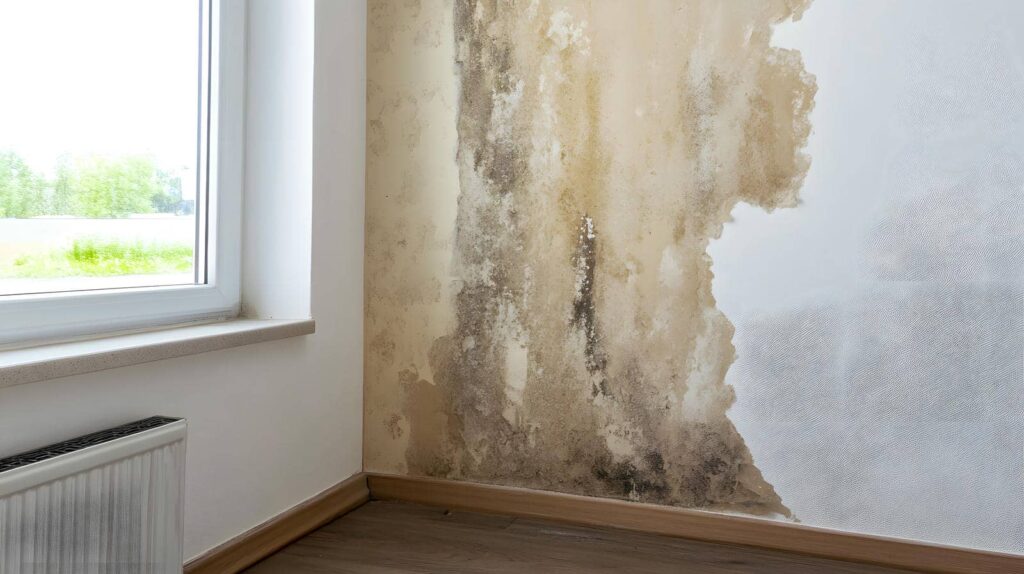
After flooding, mold can quickly become a serious issue if not addressed properly. You need to assess and contain the affected areas immediately to prevent further mold remediation damage. Professional mold removal services play an essential role in ensuring the situation is handled effectively. Additionally, implementing preventive measures can help avoid future problems. Understanding these techniques is important for safeguarding your property and health, but knowing where to start can be challenging.
Key Takeaways
- Conduct a thorough mold assessment to identify affected areas and moisture levels before starting remediation.
- Implement effective containment measures using plastic barriers to prevent mold spores from spreading during the removal process.
- Use professional mold removal services to accurately assess the infestation and apply tailored removal techniques.
- Employ HEPA filters and dehumidifiers to improve air quality and expedite the drying process post-removal.
- Regularly monitor humidity levels and maintain proper ventilation to prevent future mold growth after remediation.
Assessing and Containing the Affected Area
When you face the aftermath of flooding, evaluating and containing the affected area is vital to prevent mold growth.
Start with a thorough mold assessment to identify visible signs of moisture and mold spores. Check walls, ceilings, and floors, as mold can thrive in hidden spots.
Once you’ve pinpointed the affected areas, it’s imperative to implement area containment measures. This involves sealing off the contaminated spaces to prevent spores from spreading to unaffected areas.
Use plastic sheeting to create barriers and ensure proper ventilation, reducing humidity levels. If possible, use dehumidifiers to expedite drying.
Remember, time is of the essence; mold can take root within 24 to 48 hours after exposure to moisture.
By being proactive in your approach, you can protect your home and create a healthier environment for you and your loved ones.
Stay vigilant and act swiftly for the best outcomes.
Professional Mold Removal Services
After containing the affected area, enlisting professional mold removal services can greatly enhance your mold remediation efforts.
These experts conduct thorough mold inspections, identifying hidden growth that might escape your notice. Their specialized training equips them to assess the extent of the infestation and implement effective removal techniques tailored to your specific situation.
Moreover, professionals utilize advanced equipment to improve air quality during the remediation process. High-efficiency particulate air (HEPA) filters and air scrubbers help eliminate airborne spores, ensuring your home feels safe and healthy once the job is done.
This expertise expedites the removal process and minimizes the risk of future mold growth.
Preventive Measures for Future Flooding Events
To effectively prepare for future flooding events, implementing preventive measures is essential. Start by evaluating your property’s flood risk; consider elevation and proximity to water sources.
Invest in flood barriers and proper drainage systems to manage water flow. Regular maintenance of gutters and downspouts is vital for moisture control, preventing water accumulation around your home.
Additionally, consider landscaping techniques that redirect water away from your foundation. Installing sump pumps can also provide an extra layer of protection against rising water levels.
Create an emergency plan that includes a communication strategy and evacuation routes; having a well-thought-out plan fosters a sense of community and belonging among your family and neighbors.
Finally, keep an inventory of your belongings and important documents in a waterproof container.
With thorough flood preparation and proactive measures, you can minimize damage and safeguard your home against future flooding events.
Frequently Asked Questions
How Long Does Mold Remediation Typically Take After Flooding?
Mold remediation typically takes one to two weeks, depending on the remediation timeline and extent of flood damage. Prompt action can minimize growth, so addressing issues quickly is essential for a successful recovery.
Can I Handle Mold Removal Myself Safely?
Sure, tackling DIY mold removal sounds fun, right? But without proper safety precautions, it can be risky. You should consider professional help to ensure thoroughness and safety, especially if the mold is extensive.
What Are the Health Effects of Mold Exposure?
Mold exposure can lead to various health effects, including mold symptoms like sneezing, coughing, and respiratory issues. You might experience worsened allergies or asthma, so it’s essential to address mold problems promptly for your well-being.
How Can I Identify Hidden Mold Growth?
Could hidden mold be lurking in your home? Use mold inspection techniques like visual checks and moisture detection tools to uncover damp areas, ensuring you tackle potential health risks before they escalate into serious problems.
What Materials Are Hardest to Clean After Flooding?
Carpet cleaning can be particularly challenging after flooding due to deep-set moisture and stains. Similarly, drywall replacement often becomes necessary since it absorbs water, creating an environment ripe for mold growth that’s tough to eradicate.
Wrap-Up
In the aftermath of flooding, tackling mold is like steering a ship through a storm; without careful assessment and containment, you risk compromising your home’s safety. By relying on professional mold removal services and implementing preventive measures, you safeguard your property and ensure a healthy living environment. Just as a sturdy anchor keeps a ship steady, these steps help you maintain control and protect your home from future threats. Stay proactive, and steer clear of mold’s dangers.