When dealing with storm damage, knowing the right techniques and tools can make all the difference. You need to assess the damage first, as this guides your cleanup strategy. Effective water extraction is vital, and employing the right equipment can streamline the process. But it doesn’t stop there; controlling humidity and preventing mold growth are equally important. What specific tools and methods should you employ to ensure a thorough and efficient cleanup?
Key Takeaways
- Assess damage thoroughly before starting cleanup, documenting everything with photos and notes for insurance claims and future reference.
- Utilize appropriate water extraction tools such as submersible pumps or wet/dry vacuums to remove standing water efficiently.
- Control humidity levels using dehumidifiers to maintain indoor moisture below 60%, preventing mold growth and creating a healthier environment.
- Equip yourself with essential safety gear, including hard hats, goggles, gloves, and steel-toed boots, to enhance safety during cleanup.
- Organize cleanup efforts with the right tools, such as shovels, rakes, and chainsaws, to maximize efficiency and ensure effective debris removal.
Assessing the Damage Before Cleanup
Before you plunge into the cleanup process, it’s essential to assess the damage thoroughly.
Start with a detailed damage evaluation of your property. Walk through each room, noting any visible destruction like broken windows, water stains, or structural shifts.
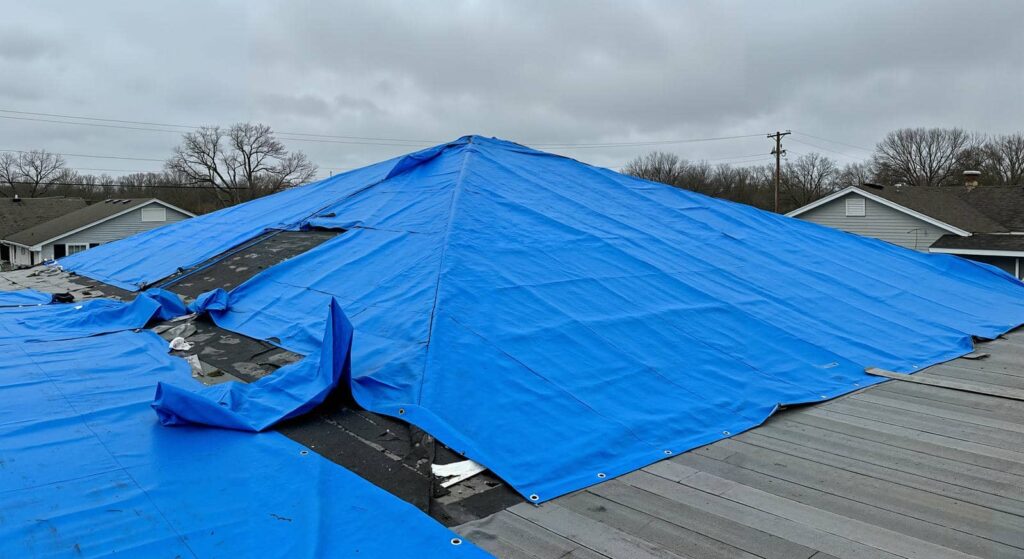
Don’t forget to check the exterior; fallen branches or roof damage can pose significant hazards.
Next, conduct a safety assessment. Identify potential risks such as exposed wires or unstable debris.
If you spot any of these dangers, prioritize your safety and consider contacting professionals for assistance.
Document everything—photos and notes will be invaluable for insurance claims and repairs.
Utilizing Pumps for Efficient Water Extraction
When it comes to storm damage cleanup, selecting the right type of water pump is essential for effective water extraction.
You’ll find various options, each with unique capabilities suited for different situations. Understanding how to operate these pumps efficiently can substantially speed up your cleanup process and minimize further damage.
Types of Water Pumps
As you tackle storm damage cleanup, understanding the various types of water pumps available can greatly enhance your efficiency in water extraction.
Submersible pumps are designed to operate underwater, making them ideal for flooded basements or yards. They’re powerful and can handle large volumes of water quickly.
On the other hand, diaphragm pumps excel in removing water mixed with debris, as they can handle thicker fluids without clogging. This makes them suitable for more challenging cleanup tasks where sediment is present.
Pump Operation Tips
Effective pump operation is essential for maximizing water extraction during storm damage cleanup. Start by ensuring proper pump maintenance; check the oil levels, inspect hoses for leaks, and clean filters to prevent clogs.
Before you begin, familiarize yourself with your pump’s operation manual to understand its specific features. Prioritize pump safety by wearing appropriate gear, such as gloves and goggles, to protect yourself from debris and water contaminants.
Set your pump on stable ground to avoid tipping, and always have a backup power source ready. Monitor the water level and adjust the pump’s positioning as needed for efficiency.
Employing Wet/Dry Vacuums for Versatile Cleanup
While storm damage can leave a chaotic mess in its wake, employing wet/dry vacuums proves to be an invaluable strategy for efficient cleanup.
These versatile tools provide several wet/dry vacuum benefits, such as their ability to handle both liquids and solids, making them perfect for absorbing water and debris. You’ll appreciate their powerful suction, which considerably reduces the time and effort needed for cleanup.
To maximize your vacuum’s performance, follow some vacuum maintenance tips. Regularly check and clean the filters to maintain ideal suction. Confirm that the hose and attachments are free from clogs.
After use, empty the tank promptly to prevent odors and mold growth. By investing time in proper maintenance, you’ll extend the life of your vacuum and confirm it’s ready for any future storm challenges.
With a wet/dry vacuum at your side, you’ll feel more prepared and empowered during the intimidating cleanup process.
Implementing Dehumidifiers to Control Humidity
Humidity control is essential after a storm, and implementing dehumidifiers can greatly improve the cleanup process. Start by strategically placing your dehumidifiers in areas most affected by moisture, like basements and rooms with water damage. This focused dehumidifier placement maximizes efficiency by targeting high-humidity zones where mold can thrive.
Regular humidity monitoring is vital during this phase. Aim to keep indoor humidity levels below 60% to prevent further damage. You can use hygrometers to track these levels, allowing you to adjust dehumidifier settings as needed.
Don’t forget to empty the dehumidifier’s water reservoir frequently, or connect it to a drain for continuous operation. By actively managing humidity, you create a healthier environment and protect your home from long-term issues.
This proactive approach fosters a sense of community as you share tips and strategies with neighbors facing similar challenges.
Utilizing Fans and Air Movers for Drying
After you’ve managed humidity levels with dehumidifiers, it’s time to focus on drying out the affected areas. Utilizing fans and air movers can greatly enhance your drying process.
Begin by strategically positioning your fans to optimize air circulation across wet surfaces. Aim them directly at damp spots, and make sure you create a cross-flow by angling some fans to push air towards each other.
This technique prevents stagnant air, which can prolong drying times. For larger areas, consider using high-velocity air movers, as they can effectively cover more ground and provide powerful airflow.
Remember to regularly check and adjust fan placement to respond to drying progress. With the right setup, you’ll foster a drier environment, making it less conducive to mold and further damage.
A systematic approach speeds up the drying process and gives you control over your cleanup efforts.
Applying Mold Inhibitors to Prevent Growth
After drying out wet areas, applying mold inhibitors is essential to prevent growth in your space.
You’ll need to understand the importance of these products, as well as effective application techniques to maximize their benefits.
Let’s explore how to properly use mold inhibitors to safeguard your home from future damage.
Importance of Mold Inhibitors
Since mold can develop rapidly in damp environments, applying mold inhibitors is essential in storm damage cleanup.
You need to understand that mold thrives under specific growth conditions—high humidity and organic materials are prime culprits.
By implementing effective mold prevention strategies, you protect your home and foster a healthier living environment for everyone involved.
Mold inhibitors create a protective barrier, preventing spores from taking hold and multiplying.
This proactive approach minimizes the risk of costly repairs and health issues associated with mold exposure.
Investing time in applying these inhibitors shows your commitment to maintaining a safe space, reinforcing your connection to your home and community.
Prioritize mold prevention now, and you’ll reap the benefits for years to come.
Application Techniques and Tips
When applying mold inhibitors, ensuring proper technique is essential for maximizing their effectiveness.
Start by cleaning the affected area thoroughly using appropriate cleanup methods to remove any existing mold and debris. Once the surface is dry, apply the mold inhibitor evenly, using a spray bottle or brush for ideal coverage.
Pay attention to corners and hard-to-reach spots, as these areas are prone to mold growth. Always follow the manufacturer’s instructions for dilution and application.
Don’t forget your safety precautions—wear gloves, goggles, and a mask to protect yourself from fumes.
Finally, allow sufficient drying time before sealing the area, ensuring the inhibitor works effectively to prevent future mold growth. Your diligence can make a real difference in maintaining a safe, healthy environment.
Using Personal Protective Equipment (PPE) for Safety
Although storm damage cleanup can be a challenging task, using Personal Protective Equipment (PPE) is essential for ensuring your safety.
Adhering to PPE guidelines protects you and fosters a sense of community among those working together in recovery efforts.
Here’s a practical list of essential safety gear you should wear:
- Hard hat: Protects your head from falling debris.
- Safety goggles: Shield your eyes from dust and flying particles.
- Gloves: Prevent cuts and exposure to hazardous materials.
Frequently Asked Questions
How Can I Prevent Future Storm Damage to My Property?
To prevent future storm damage, invest in storm-resistant landscaping and prioritize regular property maintenance. Trim trees, secure loose materials, and maintain drainage systems. These proactive steps create a resilient environment that protects your home effectively.
What Are the Signs of Mold Growth After a Storm?
You’ll notice signs of mold growth after a storm through mold identification, such as musty odors, discoloration on surfaces, and moisture assessment revealing damp areas. Act quickly to prevent further damage and protect your space.
When Should I Call a Professional for Cleanup?
You should call a professional for cleanup when the damage exceeds your capabilities or if you notice extensive mold growth. Following the cleanup guidelines and ensuring an emergency response can protect your home and health effectively.
What Insurance Coverage Do I Need for Storm Damage?
Imagine a sturdy fortress shielding you from fierce storms. You need extensive storm insurance with adequate coverage options, including dwelling protection, personal property, and additional living expenses, ensuring you’re secure and supported when disaster strikes.
Can I Salvage Water-Damaged Items, Like Furniture or Electronics?
You can salvage water-damaged items like furniture and electronics, but act quickly. Clean and dry them thoroughly, assess for mold, and consult professionals for restoring electronics to prevent further damage and ensure safety.
Final Thoughts
Effective storm damage cleanup hinges on a strategic approach and the right tools. By evaluating the damage first and employing pumps, vacuums, and dehumidifiers, you can restore your space efficiently. Don’t forget about mold inhibitors and PPE for safety. After all, when the next storm hits, wouldn’t you want to be prepared and minimize the aftermath? Prioritizing these techniques protects your property and fosters a sense of community resilience.