
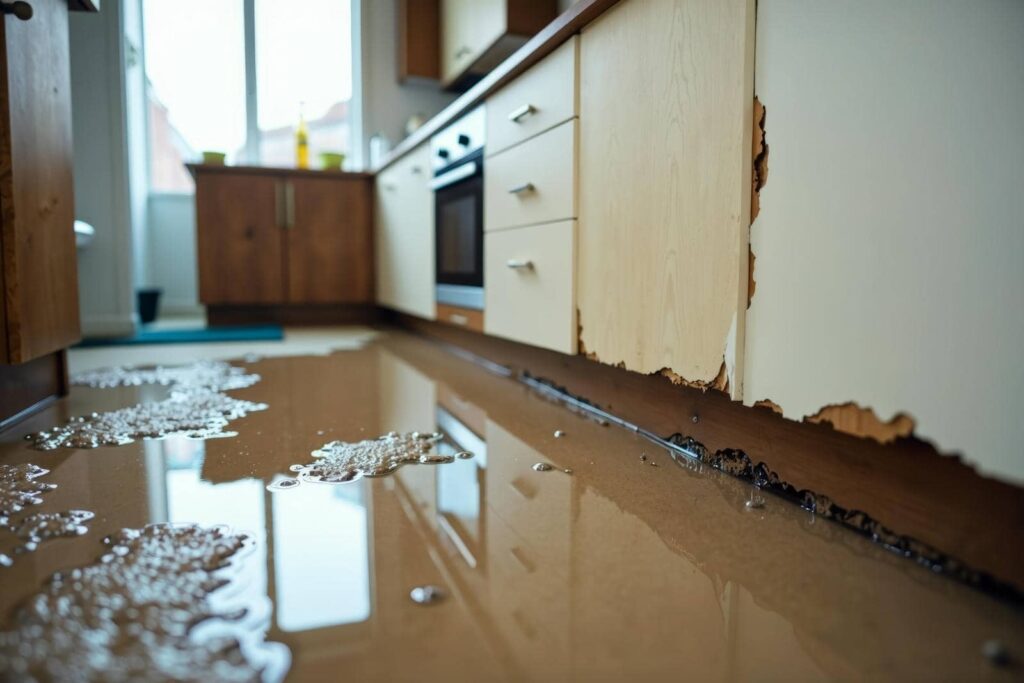
When faced with flood damage, knowing how to navigate the inspection process is essential. You’ll need to understand the various types of damage, prioritize safety, and assess structural integrity. Each step you take can greatly impact your recovery journey and insurance claims. It’s vital to approach this methodically, ensuring you don’t overlook critical aspects. Let’s explore the key components that will guide you through this challenging situation effectively.
Key Takeaways
- Assess the type of flood damage by identifying the water category and the severity of impact on the property.
- Prepare for inspection by gathering documentation, using protective gear, and ensuring safety protocols are in place.
- Evaluate structural damage by inspecting load-bearing elements and the foundation for cracks, warping, and signs of water infiltration.
- Test for water contamination by collecting samples and identifying harmful substances present in floodwaters.
- Document findings thoroughly with photos, notes, and receipts to support insurance claims effectively.
Understanding the Types of Flood Damage
When you face the aftermath of a flood, understanding the types of flood damage is essential for effective recovery.
Flood classification types can range from minor surface damage to catastrophic structural impacts. Each type can affect your home differently, so recognizing these nuances helps you prioritize your recovery efforts.
To navigate this, you’ll want to employ severity assessment methods. These include examining water levels, duration of exposure, and the materials affected.
For instance, Category 1 damage involves clean water, while Category 3 indicates contaminated water, necessitating more intensive remediation.
Preparing for the Inspection Process
As you prepare for the inspection process, it’s crucial to gather all relevant information and documentation regarding the flood event.
Collect photographs, receipts, and any previous inspection reports to support your case. This thorough inspection preparation helps you understand the extent of the damage and aids in communicating effectively with professionals.
Safety protocols should be your top priority; make sure the area is safe before beginning any inspection.
Wear protective gear like gloves and masks, as floodwaters can carry contaminants. If you have any concerns about structural stability, don’t hesitate to consult experts before proceeding.
Evaluating Structural Damage
As you assess the flood damage, pay close attention to weak structural areas that may compromise your home’s integrity.
Check for signs of foundation issues, like cracks or uneven settling, which can indicate deeper problems.
Understanding these critical aspects will help you make informed decisions about repairs and ensure the safety of your living space.
Identifying Weak Structural Areas
Identifying weak structural areas after a flood is essential to ensuring the safety and integrity of your property.
Start by inspecting load-bearing walls, beams, and columns for any signs of damage. Look for cracks, warping, or sagging, which can indicate weak points in your structure.
Check the foundation for any visible shifts or erosion that may expose structural vulnerabilities. Pay special attention to areas where water may have pooled or infiltrated, as these are often the most affected.
Assessing Foundation Integrity
After checking for weak structural areas, it’s important to turn your attention to the foundation, as this is the bedrock of your home’s stability.
Inspect for foundation cracks, which can indicate serious issues. Even small cracks can allow water intrusion, worsening your situation.
Pay close attention to any signs of soil erosion around your foundation; this can compromise its integrity.
Look for uneven settling or gaps between the foundation and walls, which might suggest shifting ground.
If you notice these problems, it’s essential to document them and seek professional advice.
Assessing Water Contamination Levels
When floodwaters recede, evaluating water contamination levels quickly becomes a critical step in ensuring safety and health. It’s essential to conduct thorough water testing to identify any harmful contaminants that may linger.
Floodwaters often carry bacteria, chemicals, and debris from various contamination sources, including sewage and industrial runoff.
Start by collecting samples from affected areas, ideally using clean, sterilized containers. Make sure to test both surface water and any standing water that might remain.
If you’re unsure about the testing process, consider reaching out to local health departments or environmental agencies for guidance.
Understanding the contamination levels can help you make informed decisions about cleanup and restoration.
Identifying Mold and Mildew Growth
After a flood, it’s essential to inspect your property for signs of mold and mildew growth, which can develop quickly in damp environments.
Look for discoloration on walls and ceilings, musty odors, or increased humidity levels, as these can indicate a problem.
Signs of Mold Growth
As you inspect your property for flood damage, it’s essential to recognize the signs of mold and mildew growth, which can pose serious health risks and lead to further structural issues.
Look for dark spots or patches on walls, ceilings, and floors, as these often indicate mold types like black mold or green mold. Pay attention to any musty odors; they’re a telltale sign of hidden moisture and mold presence.
Additionally, be aware of allergy symptoms like sneezing, coughing, or skin irritation. These health risks can affect you and your loved ones, making early detection critical.
Prevention and Remediation Techniques
To effectively prevent and remediate mold and mildew growth, it’s essential to understand the conditions that foster their development. High humidity and moisture are prime culprits, especially after flooding.
Installing flood barriers can help keep water out and reduce dampness, while having emergency kits with moisture absorbers on hand can be a lifesaver.
Regularly inspect areas prone to water accumulation, such as basements and attics, and ensure proper ventilation to maintain airflow.
If you spot mold, act quickly—use a mixture of water and detergent to clean small patches. In more severe cases, consider consulting professionals.
Documenting Findings for Insurance Claims
Accurately documenting your findings is essential for a successful insurance claim after flood damage. Start by taking clear, high-resolution photos of the affected areas, capturing both the extent of the damage and any personal belongings impacted.
Make detailed notes of what you observe, including dates, times, and descriptions of the damage. This insurance documentation will serve as the backbone of your claim submission, providing a thorough overview of your losses.
Keep receipts for any emergency repairs or temporary accommodations, as these expenses can often be reimbursed.
Don’t forget to record any communications with your insurance adjuster, noting dates and details of conversations. The more organized and meticulous you are, the smoother the claims process will be.
Planning for Restoration and Repair
While steering through the aftermath of flood damage can be overwhelming, effective planning for restoration and repair is essential to getting your home back to normal.
Start by establishing a clear restoration timeline to manage your expectations and keep the process moving efficiently. Understanding potential repair costs will help you budget effectively and avoid surprises.
- Assess the extent of damage to prioritize repairs.
- Gather multiple quotes from licensed professionals to compare costs.
- Stay in close communication with your insurance adjuster for guidance.
Frequently Asked Questions
How Often Should Flood Damage Inspections Be Conducted?
You should conduct flood damage inspections annually, but after significant weather events, inspect more frequently. Understanding flood frequency and the importance of inspections helps you stay proactive, ensuring your home remains safe and protected for your family.
Can I Perform an Inspection Myself?
Absolutely, you can perform a DIY inspection! Just remember, safety precautions are essential. Equip yourself with protective gear, and don’t hesitate to seek professional help if you uncover serious issues. Your safety’s paramount!
What Tools Are Needed for Flood Damage Inspection?
For a thorough flood damage inspection, you’ll need moisture meters to detect hidden dampness and inspection cameras to assess difficult-to-reach areas. These tools help you accurately identify damage, ensuring a complete evaluation of your space.
How Long Does a Flood Damage Inspection Take?
A flood damage inspection can feel like an eternity, but it usually takes a few hours. Factors like property size, damage severity, and inspection thoroughness impact the flood duration, so be prepared for variations.
Are There Specific Regulations for Flood Inspections in My Area?
Yes, there are specific flood inspection regulations in your area. You should check with local authorities to verify compliance, as regulations can vary. Understanding these requirements helps you feel secure in protecting your property and community.
Recap
In the aftermath of a flood, your home can feel like a shipwreck, but with the right inspection process, you can navigate the stormy waters of recovery. By understanding the types of damage and evaluating contamination, you’re not just picking up the pieces; you’re building a stronger foundation for the future. Documenting your findings meticulously prepares you for insurance claims, turning chaos into clarity as you begin the path to restoration and safety.