When faced with a mold infestation, prompt action is vital to protect your health and property. You’ll need to identify the signs of mold, assess the extent of the problem, and take immediate mold removal steps to contain it. Understanding the right procedures and safety precautions can make all the difference. But what should you do first, and how can you ensure it doesn’t return? Uncovering these details is necessary for effective mold management.
Key Takeaways
- Isolate the affected area by closing doors and windows to prevent mold spores from spreading throughout the home.
- Identify and eliminate moisture sources, such as leaks or standing water, to stop mold growth.
- Use fans or dehumidifiers to dry out damp areas and reduce humidity levels quickly.
- Wear protective gear, like masks and gloves, when handling mold to ensure safety during removal.
- Consider professional assistance for extensive mold infestations to ensure thorough remediation and health safety.
Understanding Mold Growth
When you understand mold growth, you can better prevent and address issues in your home. Mold types, including Aspergillus, Cladosporium, and Stachybotrys, thrive under specific growth conditions. These conditions typically involve moisture, organic materials, and temperatures between 60°F and 80°F.
To minimize the risk of mold development, keep your home’s humidity levels below 60%. Regularly inspect areas prone to moisture, like basements, bathrooms, and kitchens. Ensure proper ventilation and promptly repair leaks to eliminate excess water.
Recognizing the environmental factors that encourage mold growth helps you take proactive measures. By understanding the various mold types and their preferred conditions, you’re better equipped to create a living environment that discourages infestations.
This knowledge enhances your home’s safety and fosters a sense of community among homeowners who prioritize healthy living spaces.
Identifying Mold Infestations
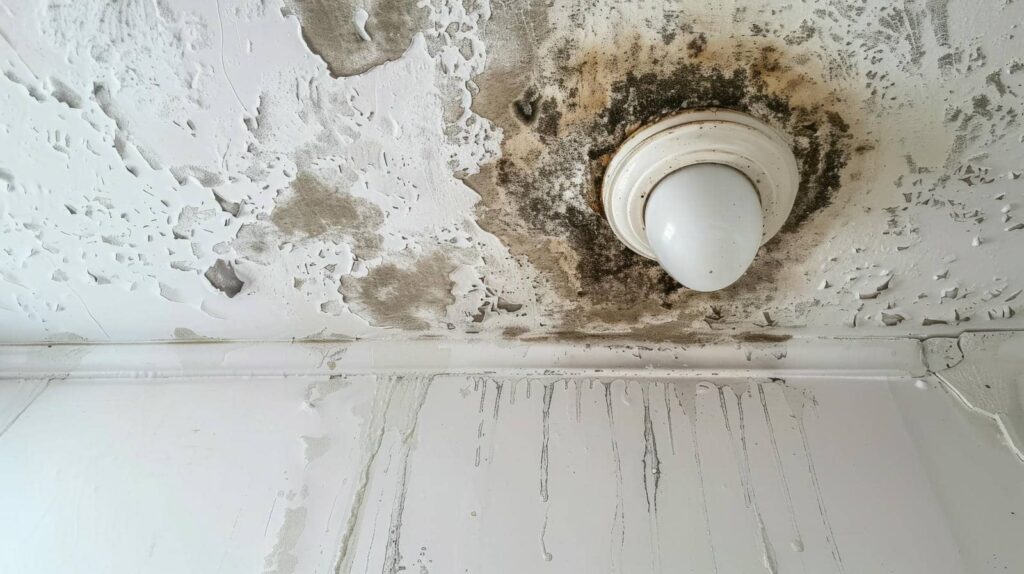
Identifying mold infestations early is essential to preventing extensive damage and health issues in your home. Start by inspecting areas prone to moisture, like bathrooms, kitchens, and basements. Look for visible signs such as dark spots or discoloration on walls, ceilings, and floors.
Familiarize yourself with common mold types, such as black mold, which is often slimy and greenish-black, and white mold, which appears powdery and can be mistaken for dust.
Utilize mold identification tips, like smelling musty odors or checking for water leaks, to pinpoint potential problems. Pay attention to any respiratory issues among household members, as these can signal mold presence.
If you suspect mold growth but can’t see it, consider using moisture meters or professional assessments for confirmation. Acting promptly can protect your home and your family’s health, fostering a safe and comfortable living environment.
Assessing the Severity of the Problem
How do you determine the severity of a mold problem in your home? Start by identifying the mold types present, as different molds can indicate varying levels of risk. Black mold, for instance, is often more hazardous than other varieties.
Next, conduct a thorough damage evaluation. Check affected areas for visible growth, musty odors, and water damage, which can indicate extensive colonization. Pay attention to hidden spaces, like behind walls or under carpeting, where mold may thrive unnoticed.
Evaluate the extent of the damage; smaller patches are typically less severe, while large infestations may require professional help. Don’t overlook the potential health risks associated with prolonged exposure, especially for vulnerable individuals.
Immediate Actions to Take
After evaluating the severity of your mold problem, it’s essential to act quickly to mitigate further damage and protect your health.
Mold spores can spread rapidly, so your quick response is imperative. Here are immediate actions to take:
Isolate the Area: Close doors and windows to prevent mold spores from dispersing to unaffected areas. This containment can help you manage the problem more effectively.
Turn Off HVAC Systems: Shut down heating and air conditioning systems to avoid circulating mold spores throughout your home. This step is important in minimizing exposure.
Remove Moisture Sources: Identify and eliminate sources of moisture, such as leaks or standing water.
Use fans or dehumidifiers to dry out the affected area, as moisture promotes mold growth.
Safety Precautions for Homeowners
When tackling a mold issue, what safety measures should you take to protect yourself and your family?
First, don’t underestimate the importance of wearing protective gear. Use gloves, goggles, and an N95 respirator to shield yourself from mold spores. These items are essential for minimizing your exposure and keeping your health intact.
Next, implement effective ventilation strategies. Open windows and doors to create airflow, which helps disperse harmful spores. If possible, use fans to circulate air, but make sure they don’t blow mold spores into other areas of your home.
Also, consider isolating the contaminated area by sealing it off with plastic sheeting to prevent cross-contamination.
By taking these precautions, you’re not just protecting yourself; you’re ensuring a safer environment for your family.
Professional Mold Removal Services
Even with proper safety precautions in place, dealing with a significant mold problem can be overwhelming.
That’s where professional mold removal services come in. These experts have the right equipment and implement effective mold remediation techniques tailored to your situation.
Here’s what you can expect from them:
Professional Assessment: They’ll conduct a thorough evaluation of your property to identify the extent of the mold issue.
Targeted Remediation: Using specialized techniques, they’ll safely remove mold and prevent its return.
Post-Remediation Inspection: After treatment, they’ll verify that the environment is safe and free of mold spores.
Hiring professionals helps you regain control over your living space and ensures a healthier environment for you and your family.
Don’t hesitate to reach out for help; it’s a vital step toward restoring your home.
DIY Mold Removal Techniques
If you prefer a hands-on approach to tackle mold issues in your home, DIY mold removal techniques can be effective for smaller infestations.
One popular method involves using a vinegar solution, which is both natural and non-toxic. Simply mix equal parts white vinegar and water in a spray bottle. Spray the affected area and let it sit for at least an hour before wiping it down with a clean cloth.
For tougher spots, you can combine baking soda and water to create a paste. Apply it to the moldy area, scrub gently, and rinse thoroughly.
Always wear gloves and a mask to protect yourself from mold spores during the process.
After you’ve removed the mold, make sure the area is well-ventilated to prevent future growth.
These natural remedies help you reclaim your space while fostering a healthier living environment for you and your family.
Preventing Future Mold Growth
After successfully removing mold, it’s crucial to implement strategies that prevent its return. By taking proactive measures, you can create an environment less conducive to mold growth.
Here are three effective strategies:
Humidity Control: Keep indoor humidity levels below 60%. Use dehumidifiers and air conditioners to help manage moisture, especially in high-risk areas like basements and bathrooms.
Mold-Resistant Materials: When renovating or repairing, choose mold-resistant materials such as drywall, paints, and insulation. These products inhibit mold development, providing an extra layer of protection.
Regular Maintenance: Inspect your home for leaks and water damage regularly. Promptly repair any issues, and confirm proper ventilation in areas like kitchens and bathrooms to reduce moisture buildup.
Insurance Considerations for Mold Damage
While traversing the aftermath of mold damage, understanding your insurance coverage is essential. Not all policies cover mold, so you’ll need to review your specific plan for coverage limitations. Many standard homeowners’ policies include limited mold coverage, often contingent on specific conditions, such as sudden water damage.
To navigate the claim process effectively, document all mold damage meticulously. Take photos, keep receipts for any repairs, and note the timeline of events. When filing your claim, provide as much detail as possible to support your case.
It’s also wise to communicate with your insurance agent to clarify any exclusions or requirements in your policy. They can guide you through the nuances of your coverage, ensuring you’re well-informed.
Being proactive in understanding your insurance can greatly impact the support you receive during this challenging time.
Long-Term Maintenance and Monitoring
To ensure your home remains mold-free in the long term, regular maintenance and monitoring are essential.
Implementing a proactive approach will help you catch potential issues early. Here are three key steps you should consider:
- Conduct Regular Inspections: Schedule routine checks of high-risk areas, such as basements, bathrooms, and attics, to identify
signs of mold or moisture issues before they escalate.
Moisture Control: Ensure proper ventilation in your home. Use dehumidifiers in damp areas and fix leaks promptly to minimize moisture build-up.
Maintain Cleanliness: Regularly clean and declutter your home, focusing on areas prone to dampness. This prevents mold spores from settling and flourishing.
Frequently Asked Questions
Can Mold Affect My Home’s Value?
Yes, mold can greatly affect your home’s value. Potential buyers might worry about mold remediation costs and property inspection implications, making them hesitant to purchase. Addressing mold issues promptly can help maintain your home’s worth.
How Long Does Mold Removal Typically Take?
Mold removal typically takes 1-5 days, depending on the extent of mold growth and the removal process’s complexity. Quick action can minimize damage and ensure a healthier living environment for you and your family.
Will Painting Over Mold Solve the Problem?
Painting over mold is like dressing a wound without cleaning it; it won’t solve the mold growth issue. Effective painting techniques require proper mold removal first, ensuring a safe, lasting solution to protect your home.
What Are Common Misconceptions About Mold?
You might believe mold myths like all mold is dangerous or that bleach kills it. However, mold facts reveal that not all molds are harmful, and proper removal requires more than just household cleaners.
Can I Live in My Home During Mold Removal?
You can stay during mold removal, but it’s risky. If you’re sensitive, consider temporary relocation. Safety precautions are essential—wear masks and ventilate. Prioritize your health to ensure a comfortable, mold-free home afterward.
Summary
Addressing mold infestations promptly is essential, much like extinguishing a small flame before it engulfs your home. By following the steps outlined in this guide, you can effectively mitigate risks to both your health and property. Remember to assess the severity, take immediate action, and prioritize safety. With proper prevention and maintenance, you can keep mold at bay and safeguard your living environment for the long term. Don’t let mold take root—act decisively!