When tackling mold remediation, understanding the techniques that yield the best results is essential. Evaluating the extent of mold growth is the first step, guiding your next actions. Containing the affected area and utilizing proper personal protective equipment are critical for safety and effectiveness. From there, removing contaminated materials and ensuring thorough cleaning can greatly reduce future risks. But what specific methods should you employ to achieve ideal results?
Key Takeaways
- Conduct thorough inspections and moisture assessments to identify mold sources and the extent of contamination.
- Contain affected areas with barriers and create negative pressure to prevent spore spread during removal.
- Remove and properly dispose of contaminated porous materials, ensuring no cross-contamination occurs.
- Utilize appropriate PPE and effective cleaning agents, following safety protocols for mold removal.
- Implement preventive measures like dehumidifiers and regular monitoring to minimize future mold growth.
Assessing the Extent of Mold Growth
To effectively tackle mold remediation, you first need to assess the extent of mold growth in your environment.
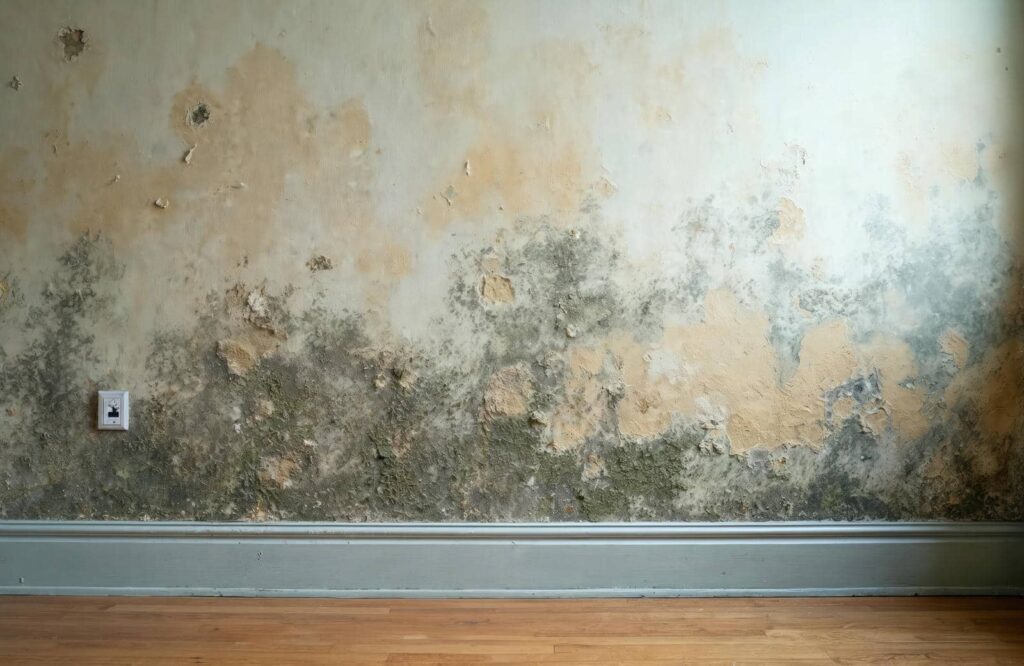
Start by employing mold identification techniques, such as visual inspections and air sampling. Look for visible signs of mold, particularly in areas with high humidity or previous water damage.
Next, utilize moisture assessment methods to pinpoint sources of excess moisture. This might involve using moisture meters or infrared cameras to detect hidden leaks or dampness in walls and ceilings.
Combining these approaches helps you identify problem areas and understand the specific conditions that contribute to mold proliferation.
Once you’ve gathered this data, you can develop a targeted remediation strategy that addresses both the mold and its underlying causes.
Containing the Affected Area
Once you’ve identified the extent of mold growth, it’s crucial to contain the affected area to prevent spores from spreading during the remediation process.
Start by setting up mold containment barriers, which are usually made of plastic sheeting. These barriers create a physical separation between the contaminated area and the rest of your home, minimizing the risk of cross-contamination.
Next, focus on sealing entry points, such as doors and vents, to make certain that spores can’t escape into uncontaminated spaces. Use tape and caulking to secure these barriers tightly.
It’s also beneficial to create a negative pressure environment by using fans to draw air out of the affected area, preventing spores from dispersing.
Personal Protective Equipment (PPE) Usage
When tackling mold remediation, selecting the right types of personal protective equipment (PPE) is essential for your safety.
You’ll need to follow proper usage guidelines to ensure effective protection against mold spores and other contaminants.
Additionally, understanding safety considerations can help you prevent health risks during the remediation process.
Types of PPE
Using the right personal protective equipment (PPE) is essential when tackling mold remediation, as it greatly reduces health risks associated with mold exposure.
Understanding the types of PPE you need can enhance your mold prevention strategies and protect you from potential health effects. Here are key items to take into account:
N95 Respirator: Filters out at least 95% of airborne particles, including mold spores.
Gloves: Chemical-resistant gloves protect your skin from mold and cleaning agents.
Goggles: Eye protection prevents irritation from mold spores and cleaning solutions.
Coveralls: Disposable coveralls keep your clothing clean and protect your skin from direct contact.
Proper Usage Guidelines
To ensure maximum protection during mold remediation, it’s essential to follow proper guidelines for using personal protective equipment (PPE).
First, confirm you wear an appropriate respirator to guard against airborne spores and toxins associated with mold growth. Use gloves and goggles to protect your skin and eyes from direct contact with mold and cleaning agents.
Make sure your PPE fits properly and is free of damage to maximize its effectiveness. During the remediation process, avoid touching your face, and always wash your hands thoroughly afterward.
It’s vital to dispose of any contaminated PPE responsibly, as improper disposal can lead to further mold growth. Following these guidelines enhances safety and ensures effective remediation techniques, fostering a sense of belonging in a responsible community.
Safety Considerations for Remediation
Although mold remediation is essential for maintaining a safe environment, neglecting safety considerations, particularly regarding personal protective equipment (PPE), can lead to serious health risks.
The mold health effects can range from respiratory issues to skin irritations, making the use of PPE vital. Adhering to remediation regulations protects you and ensures compliance with safety standards.
Consider the following PPE essentials:
- N95 respirators to filter airborne spores
- Gloves made of nitrile or rubber to prevent skin contact
- Goggles to shield your eyes from irritants
- Protective clothing that covers your skin completely
Removing Contaminated Materials
Removing contaminated materials is a critical step in effective mold remediation, as it helps eliminate the source of mold spores and prevents further growth.
You’ll need to identify contaminated material types, which often include drywall, insulation, carpets, and wood. Once identified, proper mold disposal methods must be employed to ensure safety.
For porous materials like carpeting, removal is usually necessary, as mold can penetrate deep into fibers. Non-porous materials may be salvageable through thorough cleaning, but if they show extensive mold damage, disposal is often the safest bet.
Always use sealed bags to contain and transport these materials to prevent cross-contamination.
Adopting these practices protects your space and fosters a sense of community responsibility in dealing with mold issues. By taking these decisive actions, you contribute to a healthier environment for everyone around you.
Cleaning and Disinfecting Surfaces
To effectively clean and disinfect surfaces after mold removal, you need to select appropriate cleaning agents that target mold spores.
Commonly used agents include hydrogen peroxide and commercial mold removers, which have been shown to eliminate contaminants effectively.
Understanding surface disinfection methods, such as wiping or spraying, will ensure thorough treatment and prevention of future mold growth.
Effective Cleaning Agents
When tackling mold remediation, selecting effective cleaning agents is essential for ensuring that surfaces are clean and disinfected.
You have two primary options: natural cleaning agents and chemical cleaning agents. Natural agents, like vinegar or baking soda, are safer for your health and the environment. In contrast, chemical agents may provide a more robust solution for severe infestations but can pose health risks if not used correctly.
Consider these agents for your cleaning process:
- Vinegar: A natural antifungal agent that helps kill mold spores.
- Hydrogen peroxide: An effective chemical disinfectant that fights mold.
- Baking soda: A gentle abrasive that also deodorizes.
- Commercial mold removers: Formulated specifically for tough mold challenges.
Choosing wisely can make a significant difference in your remediation efforts.
Surface Disinfection Methods
Choosing the right cleaning agents is only the first step; effective surface disinfection methods play a pivotal role in mold remediation. You’ll want to implement robust surface treatment techniques that ensure thorough sanitization. For instance, using EPA-approved disinfectants can greatly enhance disinfectant effectiveness against mold spores.
When applying your chosen disinfectant, make sure you follow the manufacturer’s instructions regarding contact time and coverage area. This maximizes the agent’s ability to penetrate and eradicate mold colonies effectively.
Additionally, consider using practices like fogging or electrostatic spraying for hard-to-reach areas, providing extensive coverage.
Drying and Dehumidification
Effective drying and dehumidification are essential steps in mold remediation, as moisture creates an ideal environment for mold growth.
By implementing proper moisture control techniques, you can greatly reduce the risk of mold recurrence.
Consider these key strategies:
- Use industrial dehumidifiers to lower humidity levels efficiently.
- Ventilate affected areas by opening windows and using fans to promote airflow.
- Inspect and repair leaks in plumbing or roofs to prevent moisture accumulation.
- Monitor humidity levels regularly to verify they remain below 60%.
Applying Mold Inhibitors
While moisture control is essential, applying mold inhibitors further enhances prevention efforts in mold remediation.
Understanding mold inhibitor types, such as chemical sprays, natural solutions, and antimicrobial coatings, allows you to choose the right approach for your space. Chemical sprays, for instance, are effective for immediate application, while natural solutions, like vinegar or tea tree oil, offer eco-friendly options.
When applying these inhibitors, use proper application techniques, such as spraying directly onto affected surfaces and ensuring even coverage.
For best results, allow adequate drying time, as this helps the inhibitors bond effectively to surfaces. Regular reapplication, especially in moisture-prone areas, ensures ongoing protection.
Monitoring for Future Mold Growth
To ensure long-term success in mold remediation, it’s crucial to monitor for future mold growth actively.
Regular inspections help you identify mold growth indicators early, ensuring you can take action before a minor problem escalates. By staying vigilant, you foster a healthier living environment for yourself and your loved ones.
Here are key strategies for effective monitoring:
Conduct regular inspections: Check high-risk areas like basements, bathrooms, and kitchens for moisture or discoloration.
Use moisture meters: These tools can help you detect hidden dampness that might encourage mold growth.
Look for musty odors: Unpleasant smells can often signal underlying mold issues that need addressing.
Keep an eye on humidity levels: Maintaining indoor humidity below 60% can greatly reduce mold growth potential.
Ventilation and Air Filtration
Proper ventilation and air filtration are vital components in preventing mold growth and maintaining a healthy indoor environment. You need to ensure effective airflow management throughout your space. This involves using exhaust fans in high-moisture areas, like bathrooms and kitchens, to reduce humidity levels. By promoting proper airflow, you limit stagnant air where mold thrives.
In addition, investing in high-quality filtration systems can greatly enhance air quality. HEPA filters are particularly effective, as they capture airborne mold spores and other allergens. Regular maintenance of these systems is essential; changing filters as recommended helps maintain their efficacy.
Combining proper ventilation with effective air filtration curbs mold growth and fosters a healthier living space for you and your loved ones.
Professional Mold Remediation Services
When it comes to mold remediation, relying on professional services is essential due to their expertise in identifying and addressing complex issues.
These experts use advanced equipment that ensures thorough removal and prevention of future growth, greatly improving indoor air quality.
Additionally, they prioritize safety precautions to protect both occupants and the environment during the remediation process.
Importance of Expertise
While tackling mold issues might seem manageable, the complexities involved often necessitate the expertise of professional mold remediation services. Engaging experts enhances your chances of effective remediation and ensures a safer environment for you and your loved ones.
Consider these benefits:
Accurate mold identification techniques: Professionals use advanced methods to pinpoint mold types and sources.
Thorough assessments: Experts evaluate damage extensively, reducing the risk of future outbreaks.
Tailored remediation plans: Customized strategies address specific situations, improving outcomes.
Long-term support: Professionals provide guidance on prevention, helping you maintain a mold-free space.
Advanced Equipment Utilization
Advanced mold remediation relies heavily on specialized equipment, which greatly enhances the effectiveness of the process.
Utilizing advanced technology, professionals can identify hidden mold infestations and assess air quality with precision. Tools like HEPA vacuums and air scrubbers remove spores and improve the overall environment in your space.
Proper equipment calibration is essential; it ensures that machines operate at peak levels, maximizing their efficiency.
When you engage experts who use cutting-edge equipment, you’re not just investing in a service; you’re joining a community committed to restoring safety and comfort in your home.
Safety Precautions Taken
To ensure safety during mold remediation, professionals implement a range of critical precautions.
These measures protect workers and ensure your environment remains safe from potential health risks.
Here’s what you can expect:
Personal Protective Equipment (PPE): Technicians wear gloves, masks, and suits to minimize exposure.
Containment Protocols: Areas affected by mold are sealed off to prevent spores from spreading.
Air Filtration Systems: High-Efficiency Particulate Air (HEPA) filters are used to cleanse the air of contaminants.
Emergency Procedures: Teams are trained to follow specific protocols in case of unexpected incidents, safeguarding everyone involved.
Frequently Asked Questions
How Can I Prevent Mold Growth in My Home?
To prevent mold growth in your home, focus on humidity control and implement mold prevention tips. Keep indoor humidity below 60%, ventilate areas prone to moisture, and regularly check for leaks and water damage.
What Are the Health Risks Associated With Mold Exposure?
Mold exposure can trigger a tidal wave of health issues, from respiratory problems to allergy symptoms. You might experience sneezing, coughing, or even chronic sinusitis. Identifying and addressing these risks is essential for your well-being.
Can I Remove Mold Myself, or Should I Hire a Professional?
You can remove mold yourself with DIY methods if it’s a small area, but hiring a professional ensures thorough removal. Professionals use advanced techniques to reduce health risks and prevent future mold growth effectively.
How Long Does Mold Remediation Typically Take?
Mold remediation’s like a chess game; various project factors influence the remediation timeline. Typically, it takes a few days to a week, depending on the extent of the mold and the areas affected.
Will Homeowners Insurance Cover Mold Remediation Costs?
Homeowners insurance may cover mold remediation costs, but it often hinges on your policy’s mold coverage and specific insurance exclusions. Always review your policy and consult your agent to understand your coverage limits.
Summary
By implementing these top mold remediation techniques, you address existing mold issues and significantly reduce the risk of future outbreaks. It’s interesting how a simple dehumidifier can be your first line of defense against mold growth—who knew? Regular inspections, combined with proper containment and removal methods, create a healthier living environment. And if problems persist, professional services can provide the expertise needed to ensure your space remains mold-free for years to come.