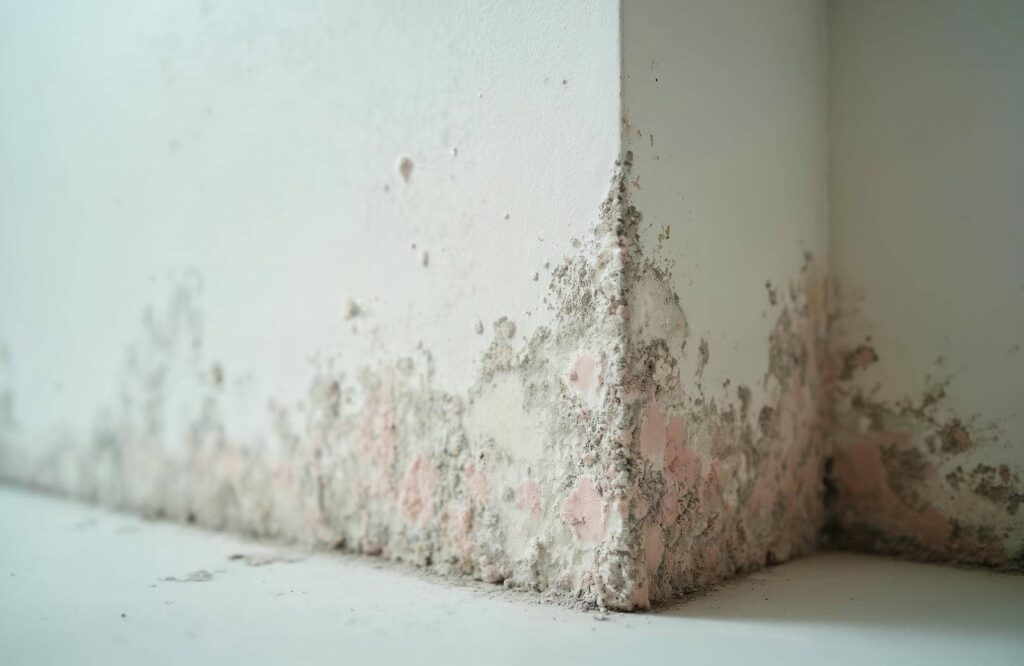
Many people underestimate how quickly mold can develop after water damage—often within 24 to 48 hours. To prevent this, it’s vital to take immediate action. Start by evaluating the extent of the damage and removing any standing water. But that’s just the beginning; understanding how to effectively dry out and disinfect your space is critical. Let’s explore the necessary steps to ensure your environment stays mold-free.
Key Takeaways
- Conduct a thorough assessment to identify water damage and potential mold growth areas using moisture detection tools like hygrometers and infrared cameras.
- Quickly remove standing water and dry affected areas within 48 hours to prevent mold proliferation.
- Maintain indoor humidity levels between 30-60% and use dehumidifiers in moisture-prone areas to inhibit mold growth.
- Clean surfaces with mold-killing solutions and remove any materials that remain damp to minimize mold risks.
- Regularly inspect for signs of mold and seek professional assistance for extensive damage and thorough remediation.
Assess the Extent of Water Damage
Before tackling mold issues, it’s vital to assess the extent of water damage in your space. Start by conducting a thorough water damage assessment to identify affected areas.
Use moisture detection tools like hygrometers and infrared cameras to pinpoint hidden moisture behind walls or under floors. These tools help you detect elevated humidity levels and prevent mold from thriving in concealed spaces.
Check for signs such as discoloration, warping, or a musty odor, which often indicate water intrusion. Don’t forget to inspect areas prone to leaks, like bathrooms and basements.
The sooner you identify the damage, the better your chances are of preventing mold growth. Remember, addressing water issues promptly is fundamental in maintaining a safe and healthy environment.
Act Quickly to Remove Standing Water
Removing standing water immediately is crucial to preventing mold growth. If you don’t act quickly, moisture can create an environment where mold thrives.
Here are four essential steps for effective water removal:
Identify the Source: Find and stop the source of the water intrusion.
Use Pumps: Employ submersible pumps for large amounts of standing water; they’re efficient and effective.
Wipe Away Excess Water: Use mops or towels to soak up any remaining water, focusing on corners and crevices.
Ventilate the Area: Open windows and doors or use fans to promote air circulation, helping to reduce humidity levels.
Dry Out Affected Areas Thoroughly
Once you’ve dealt with standing water, it’s essential to dry out the affected areas thoroughly to prevent mold from taking hold.
Start by opening windows and doors to enhance airflow; these ventilation techniques are important in promoting evaporation. Use fans to circulate air, directing them toward damp surfaces to expedite the drying process.
Consider installing moisture barriers, especially in basements or crawl spaces, to minimize future water intrusion. These barriers can considerably reduce humidity levels, creating an environment that’s less conducive to mold growth.
Inspect areas like carpets, drywall, and insulation, as these materials can retain moisture. If they remain damp for more than 48 hours, it’s best to replace them.
Use Dehumidifiers to Control Humidity Levels
To effectively control mold growth, maintaining ideal humidity levels is essential.
You should strategically place dehumidifiers in areas prone to moisture, ensuring they’re positioned for maximum efficiency.
Optimal Humidity Levels
Maintaining ideal humidity levels is essential for preventing mold growth, as excessive moisture creates a perfect environment for spores to thrive.
To achieve effective humidity control and maintain moisture balance, consider the following steps:
- Set humidity levels between 30% and 60% for optimal conditions.
- Use dehumidifiers to actively reduce excess moisture, especially in damp areas.
- Monitor humidity regularly with a hygrometer to ensure consistent levels.
- Ventilate your space properly by using exhaust fans in bathrooms and kitchens.
Placement of Dehumidifiers
When placing dehumidifiers, strategic positioning is key to maximizing their effectiveness in controlling humidity levels.
Start by locating the dehumidifier in the room’s center for ideal airflow. Avoid corners or obstructed areas, as these can hinder performance.
Additionally, make sure it’s set to the best settings, usually between 30-60% humidity, to efficiently remove moisture without overworking the unit.
If you’re targeting specific damp areas, consider multiple units for thorough coverage.
Regularly check and empty the water reservoir or connect a drain hose for continuous operation.
Clean and Disinfect Surfaces Properly
Cleaning and disinfecting surfaces properly is essential to preventing mold growth in your home.
Follow these effective cleaning techniques to ensure you eliminate any potential mold spores:
Identify Affected Areas: Inspect all surfaces that have come into contact with water.
Use Appropriate Disinfectant Solutions: Choose EPA-approved products designed for mold and mildew.
Apply Cleaning Techniques: Utilize scrubbing, wiping, or spraying methods to thoroughly clean surfaces.
Dry Completely: Ensure all cleaned areas are dried quickly to prevent future moisture buildup.
Inspect and Address Hidden Moisture Sources
To effectively combat mold growth, you must inspect and address hidden moisture sources throughout your home. Start by checking areas prone to hidden leaks, such as under sinks, behind appliances, and in the basement or attic.
Look for water stains, peeling paint, or damp spots that can indicate moisture intrusion. Utilizing moisture detection tools, like hygrometers or infrared cameras, can help you locate problem areas that aren’t easily visible.
Once you identify potential sources, it’s imperative to fix any leaks immediately. Repairing plumbing issues and ensuring proper drainage can drastically reduce moisture levels.
Don’t forget to inspect your roof and gutters, as clogged or damaged systems can lead to hidden leaks and water accumulation.
Utilize Mold Inhibitors and Sealants
Although mold can thrive in various environments, utilizing mold inhibitors and sealants can greatly reduce its growth potential.
Implementing these products effectively is vital in protecting your space from future infestations. Here are some key steps to take into account:
Choose the Right Mold Inhibitor: Select a product specifically designed to prevent mold growth on surfaces.
Prepare the Surface: Verify areas are clean and dry before applying any mold inhibitors or sealants.
Follow Sealant Application Guidelines: Apply sealants according to manufacturer instructions to ensure maximum effectiveness.
Reapply as Needed: Regularly check and reapply inhibitors and sealants, especially in high-moisture areas, to maintain their protective barrier.
Monitor for Signs of Mold Growth
Regularly monitoring for signs of mold growth is essential in maintaining a healthy environment. To effectively identify mold early, you should employ mold identification techniques such as visual inspections and odor detection. Look for discoloration on walls, ceilings, and floors, as well as any musty smells that may indicate hidden growth.
Utilize early detection methods like humidity monitoring; keeping humidity levels below 60% can greatly reduce mold proliferation. Make it a habit to check commonly affected areas, such as bathrooms, basements, and around leaking appliances.
If you spot any suspicious areas, clean and dry them immediately to prevent further growth. Keeping a log of your findings can aid in recognizing patterns and help you stay proactive.
Consult Professionals for Extensive Damage
When extensive mold damage is present, seeking professional assistance is vital to ensure thorough remediation and safety. A professional assessment helps identify hidden mold and prevents health risks.
Here are key reasons to consult experts:
Expertise: Professionals have the training to recognize various mold types and assess damage accurately.
Specialized Equipment: They use advanced tools and techniques for effective mold remediation, ensuring complete removal.
Health Risks: Mold can pose serious health issues; professionals can manage these risks with safety protocols.
Prevent Recurrence: Experts provide solutions to prevent future mold growth, safeguarding your home and family.
Addressing mold damage on your own can lead to incomplete remediation and potential health hazards.
Frequently Asked Questions
Can I Use Bleach to Kill Mold After Water Damage?
You can’t rely solely on bleach for mold removal. While it’s effective against some mold types on non-porous surfaces, it doesn’t penetrate porous materials. Consider using specialized mold removers for thorough treatment and prevention.
How Long Does It Take for Mold to Grow After Water Exposure?
Mold can start growing within 24 to 48 hours after water exposure, depending on various water damage factors. Understanding the mold growth timeline helps you act quickly to mitigate potential health risks and property damage.
Will Insurance Cover Mold Removal Costs After Water Damage?
Your mold insurance may cover removal costs, but it depends on your policy’s coverage limits. Always check your specific terms and conditions to understand what’s included and ensure you’re adequately protected against potential mold damage.
Are There Specific Types of Mold Inhibitors I Should Use?
Are you aware of the power of mold prevention products? You should consider using effective mold treatments like biocides or fungicides, which specifically target mold spores and help maintain a healthy environment in your home.
Can I Prevent Mold Growth Without Professional Help?
Yes, you can prevent mold growth without professional help. Use homeowner tips like maintaining low humidity, ensuring proper ventilation, and employing DIY methods like vinegar or baking soda treatments to effectively combat mold in your space.
Conclusion
Tackling mold after water damage is like maneuvering through a storm; you need to act quickly and decisively. By evaluating the damage, removing water, and thoroughly drying affected areas, you can prevent mold from taking hold. Regular inspections and proper cleaning are key to maintaining a healthy environment. Don’t hesitate to consult professionals for extensive damage—it’s better to be safe than sorry. Stay vigilant, and protect your space from the dangers of mold growth.