Imagine discovering a dark patch of mold on your bathroom wall after a recent leak. It’s essential to act quickly, as mold can pose health risks and structural damage. You have options to address this issue, but knowing which path to take depends on the severity of the problem and your resources. Let’s explore the most effective strategies for emergency mold removal and how to safeguard your home moving forward.
Key Takeaways
- Contact professional mold removal services for immediate inspection and assessment of mold severity and moisture issues.
- Utilize DIY methods like vinegar, baking soda, or hydrogen peroxide for quick mold cleanup in small areas.
- Ensure safety by wearing gloves and masks during any mold removal process to prevent health risks.
- Identify and fix any leaks or sources of moisture to prevent further mold growth during the emergency response.
- Consider using dehumidifiers and improving ventilation to create an environment less conducive to mold development.
Understanding the Risks of Mold Growth
When you notice mold in your home, it’s essential to understand the risks associated with its growth.
Mold health issues can vary considerably, depending on the types of mold present. Common mold types like Aspergillus and Stachybotrys can trigger allergic reactions, respiratory problems, and even more severe health concerns in sensitive individuals.
Exposure to mold can lead to symptoms such as coughing, sneezing, and skin irritation. Those with asthma or weakened immune systems may experience exacerbated reactions, emphasizing the importance of prompt action.
Furthermore, mold can deteriorate your home’s structure, leading to costly repairs.
Recognizing potential hazards protects your health and fosters a sense of security and belonging in your living space. By understanding these risks, you empower yourself to take immediate measures, ensuring a safe environment for you and your loved ones.
Assessing the Severity of the Mold Problem
How can you effectively assess the severity of a mold problem in your home? Start with mold identification techniques like visual inspections and odor detection.
Check for visible signs of mold on walls, ceilings, and hidden areas such as behind appliances. Pay attention to water-damaged spots, as they often indicate mold growth.
Next, consider the potential mold health effects. If you or your family members experience allergy-like symptoms—like coughing, sneezing, or skin irritation—this could signal a more serious issue.
Use a moisture meter to measure humidity levels, since high moisture can exacerbate mold growth.
Don’t underestimate the importance of getting professional help for a thorough evaluation, especially if the problem seems extensive.
Professional Mold Removal Services
If you find yourself overwhelmed by mold issues, professional mold removal services can provide the expertise needed to effectively tackle the problem.
These specialists conduct thorough mold inspections, identifying the extent of the growth and any underlying moisture issues. Their trained eyes can spot areas you might overlook, ensuring a detailed approach to mold remediation.
Once the inspection is complete, they employ advanced cleanup techniques tailored to your specific situation. This might include specialized equipment to remove mold spores from the air and surfaces, as well as safe disposal methods for contaminated materials.
Professionals also understand the importance of preventing future growth, offering guidance on moisture control and ventilation improvements.
DIY Mold Removal Techniques
Although professional help is often recommended for severe mold infestations, many homeowners can effectively address minor mold issues using DIY techniques. Here are some home remedies you can try:
Vinegar Solution: Mix equal parts of white vinegar and water in a spray bottle. Spray directly on the mold and let it sit for at least an hour before wiping it away.
Baking Soda Paste: Combine baking soda with water to form a paste. Apply it to the affected area, scrub gently, and rinse.
Hydrogen Peroxide: Use a 3% hydrogen peroxide solution in a spray bottle. Spray on the mold, let it sit for 10 minutes, then scrub away.
Tea Tree Oil: Mix one teaspoon of tea tree oil with one cup of water. Spray on the mold and leave it to dry.
Always remember to wear gloves and a mask for safety precautions while tackling mold removal.
Preventing Future Mold Infestations
To effectively prevent future mold infestations, it’s essential to control moisture levels in your home. Start by identifying and fixing any leaks in pipes, roofs, or windows.
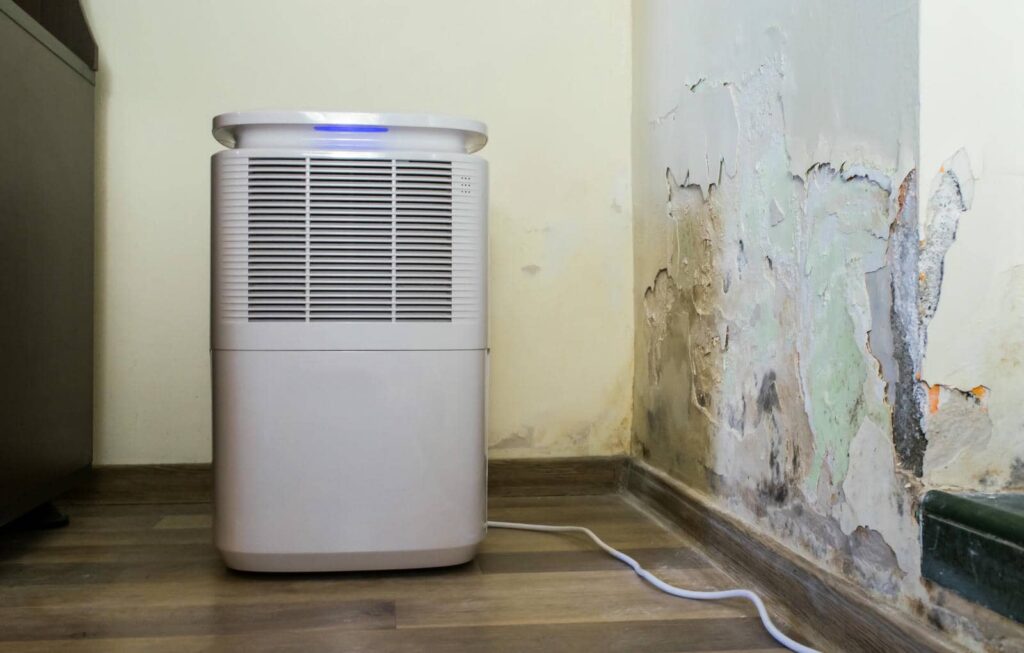
Use dehumidifiers in damp areas like basements to keep humidity low. Additionally, consider ventilation improvements; ensuring proper airflow in your home can greatly reduce moisture buildup. Install exhaust fans in bathrooms and kitchens to expel humid air, and keep windows open whenever the weather permits.
Regularly check areas prone to moisture, such as under sinks and in laundry rooms. You might also want to invest in moisture-absorbing products, which can help maintain an ideal environment.
Frequently Asked Questions
How Quickly Should I Act if I Find Mold?
You should act immediately if you find mold. Quick action prevents further mold growth and helps you implement effective prevention measures. Timely intervention protects your space and ensures a healthier environment for you and your loved ones.
Can Mold Removal Damage My Home?
Mold removal can indeed damage your home if not done carefully. Think of it as a sculptor chiseling away at a masterpiece; improper techniques may expose structural damage, worsening the mold growth instead of resolving it.
Is Mold Removal Covered by Insurance?
Mold removal might be covered by insurance, but it often depends on your policy. Check your specific insurance coverage details, as some plans include mold damage while others exclude it, especially if caused by neglect.
What Health Symptoms Indicate Mold Exposure?
Have you noticed unexplained sneezing or respiratory issues? Mold symptoms can include coughing, skin irritation, and fatigue. These health risks can greatly impact your well-being, so it’s essential to address mold exposure promptly.
Can I Stay in My Home During Removal?
You might need temporary relocation during mold removal, depending on the severity. Always prioritize safety precautions. If professionals recommend leaving, it’s wise to follow their advice to ensure your health and well-being while the work’s done.
Review
In the battle against mold, you hold the reins. Whether you choose to wield vinegar like a sword against small infestations or enlist the experts for larger outbreaks, timely action is your best ally. Remember, mold thrives in damp shadows, so sealing leaks and improving ventilation is essential to keep it at bay. By taking these proactive steps, you safeguard your home and ensure a healthier environment for you and your loved ones.