
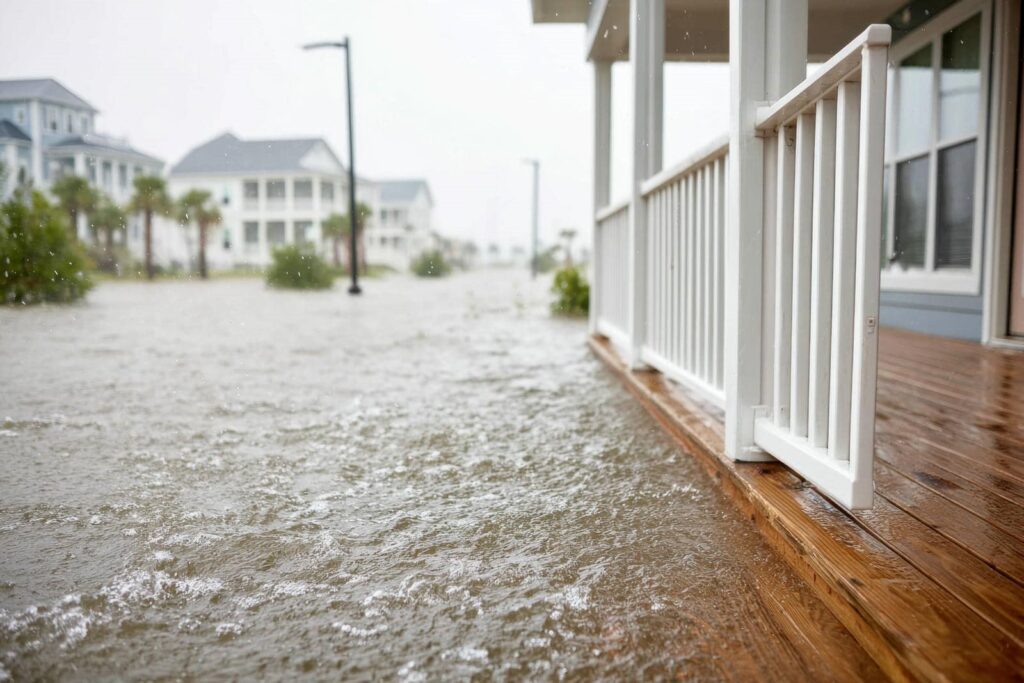
When you face the aftermath of a storm, effective cleanup techniques become essential. You need to assess the storm damage quickly to ensure safety and minimize further issues. Ignoring this step can lead to costly repairs down the line. Furthermore, proper documentation aids in securing insurance claims. Understanding the right tools and methods can greatly impact your recovery process and the long-term integrity of your property. So, what strategies should you prioritize in your cleanup efforts?
Key Takeaways
- Effective storm damage cleanup techniques expedite recovery, minimizing further damage and reducing repair costs.
- They ensure safety by addressing hazardous conditions like unstable structures and downed power lines promptly.
- Utilizing proper techniques helps document damages thoroughly for accurate insurance claims, increasing the likelihood of successful compensation.
- Systematic cleanup prevents long-term issues such as mold growth and structural deterioration, safeguarding property integrity.
- Engaging in community preparedness fosters collaboration, sharing best practices, and enhancing overall resilience against future storms.
Assessing the Damage: The First Step in Cleanup
When you begin the storm damage cleanup process, evaluating the damage is crucial for effective recovery. Start by surveying your property meticulously, noting areas that require immediate attention. This damage evaluation helps you identify the most affected sections of your home, allowing you to establish cleanup priorities.
Documenting the damage through photographs or notes can be beneficial for insurance claims and future reference.
Next, categorize the damage into manageable sections—structural, electrical, and personal belongings. This methodical approach ensures you don’t overlook critical areas that may pose risks later.
Prioritize the cleanup based on severity; address life-threatening issues first, followed by significant structural concerns, and then personal property.
Safety Precautions to Consider
After reviewing the damage, prioritizing safety is crucial during cleanup. First, verify you have the right personal protective equipment (PPE)—gloves, goggles, and sturdy footwear are fundamental to protect yourself from hazards. Always check for potential dangers like downed power lines or unstable structures before proceeding.
Next, create a solid emergency response plan. This includes having a first aid kit on hand and knowing the location of emergency services. Communicate your plans with family or team members to foster a sense of belonging and teamwork, which can be essential in stressful situations.
Stay informed about weather conditions and potential aftereffects, as storms can lead to further issues. Regularly evaluating your environment and adapting your response accordingly can prevent accidents.
Essential Tools and Equipment for Effective Cleanup
Effective storm damage cleanup requires a well-equipped toolkit to tackle various challenges efficiently. Having the right cleanup gear and tools at your disposal speeds up the process and ensures thoroughness.
Here are four essential items you should consider:
- Heavy-duty trash bags – For collecting debris and waste, making disposal easy.
- Water-resistant gloves – Protect your hands while handling hazardous materials.
- Portable generators – Keep your power tools running and provide light during the cleanup.
- Saws and axes – For cutting through fallen branches or damaged structures safely.
Water Removal Techniques: Methods and Best Practices
Water removal is a critical step in storm damage cleanup, especially when dealing with flooded areas. You’ll want to start with effective water extraction methods to eliminate standing water quickly. Using submersible pumps or wet vacuums can greatly speed up this process.
After you’ve removed the excess water, focus on dehumidification techniques to prevent lingering moisture. High-capacity dehumidifiers are essential for drying out walls, floors, and furniture.
It’s important to maintain a suitable indoor humidity level to discourage further damage. Monitor the environment closely, adjusting your dehumidifiers as needed. Additionally, consider using air movers to enhance air circulation, which aids in drying.
Mold Prevention Strategies After Storm Damage
After storm damage, it’s vital to implement quick drying techniques to limit moisture, as this is the primary catalyst for mold growth.
You should also ensure proper ventilation in affected areas to promote airflow and reduce humidity.
Regular inspections and maintenance are essential for identifying potential mold risks before they escalate into larger issues.
Quick Drying Techniques
When a storm leaves your property soaked, quick-drying techniques become essential in preventing mold growth.
By employing effective moisture control strategies, you can safeguard your home and loved ones.
Here are four quick-drying methods to implement:
- Dehumidifiers: Use these devices to extract excess moisture from the air, helping surfaces dry faster.
- Fans: Set up fans to circulate air, accelerating the evaporation process on wet surfaces.
- Heat Sources: Utilize space heaters to raise the temperature, which can enhance drying efficiency.
- Wet/Dry Vacuums: Remove standing water promptly, preventing further saturation in carpets and flooring.
Proper Ventilation Methods
Ensuring proper ventilation is essential for preventing mold growth following storm damage, as stagnant air can trap moisture and create an ideal environment for spores to thrive.
To mitigate this risk, you should assess your ventilation systems. Make sure they’re functioning correctly and can promote adequate air circulation throughout affected areas. Open windows and doors when possible to facilitate natural airflow, and consider using fans to enhance circulation.
If humidity levels remain high, dehumidifiers can help maintain a suitable balance. Regularly monitoring these systems is key; investing time in proper ventilation now can save you high costs and effort later.
Regular Inspections and Maintenance
While immediate cleanup is essential following storm damage, regular inspections and maintenance are equally important for preventing mold growth over time.
Implementing preventive measures through routine checks can greatly reduce the risk of mold thriving in your home.
Here are four key strategies to follow:
- Inspect for leaks: Regularly check pipes, roofs, and foundations for any signs of water intrusion.
- Monitor humidity levels: Keep humidity below 60% using dehumidifiers or air conditioning.
- Clean gutters and drainage: Ensure proper water flow away from your property to prevent pooling.
- Examine insulation: Inspect and replace any damp or compromised insulation to maintain dryness.
Dealing With Structural Damage: When to Call a Professional
When evaluating structural damage after a storm, look for signs like cracks in the foundation, warped walls, or sagging roofs, as these indicate potential severe issues.
It’s vital to understand that not all damage is visible, and an expert evaluation can uncover underlying problems that could compromise safety.
Calling a professional ensures you address these concerns effectively and prevent further complications.
Signs of Severe Damage
Recognizing the signs of severe damage after a storm is essential for your safety and the integrity of your home. Knowing the storm indicators can aid in a thorough damage assessment.
Here are four critical signs to watch for:
- Cracks in Walls: Look for new or expanding fissures in interior and exterior walls.
- Sagging Roof: A drooping roofline could indicate structural compromise.
- Leaking Water: Any signs of water intrusion, especially in ceilings or basements, must be addressed immediately.
- Bowed Windows and Doors: If they’re difficult to open or close, it may suggest shifting foundations.
If you notice these signs, it’s time to consult a professional to ensure your home remains safe and sound.
Importance of Expert Assessment
Evaluating structural damage after a storm isn’t just about identifying visible issues; it’s crucial for ensuring the long-term safety of your home.
A thorough expert evaluation can uncover hidden risks that you might overlook. Structural damage often extends beyond what meets the eye, affecting the integrity of your walls, roof, and foundation.
This is where a trained professional comes into play. They perform a detailed damage assessment, identifying unsafe conditions that could lead to further problems if ignored.
By enlisting expert help, you protect your investment and gain peace of mind.
Don’t hesitate to reach out for a professional assessment; it’s an essential step in safeguarding your home and ensuring your family’s well-being.
Documenting Damage for Insurance Purposes
Documenting storm damage is essential for securing your insurance claim and requires a systematic approach to ensure no detail is overlooked.
A thorough damage assessment can make a significant difference in your claim’s success. Here’s how you can effectively document damage:
- Take Photos: Capture clear images of all affected areas, focusing on structural damage and personal belongings.
- Create Lists: Compile an inventory of damaged items, including descriptions and estimated values, to support your claim.
- Record Details: Note the date and time of the storm, along with any relevant weather reports, to provide context for your insurance claims.
- Maintain Communication: Keep a log of conversations with your insurance adjuster, noting any commitments made or information requested.
Long-Term Solutions for Future Storm Preparedness
Although storms can be unpredictable, implementing long-term solutions for storm preparedness can greatly mitigate their impact on your property and well-being.
Start by evaluating your home’s vulnerabilities. Consider investing in storm-resistant materials for roofing and windows; these can withstand harsh conditions.
Next, develop a thorough disaster planning strategy. Create an emergency kit stocked with essential supplies, and establish communication plans with family members. Regularly review and update these plans to ensure everyone is informed and prepared.
Additionally, consider joining local community preparedness groups. These networks foster a sense of belonging and provide valuable resources, including shared experiences and advice on best practices.
Finally, you can establish a routine for maintenance and inspections, focusing on gutters, drainage systems, and landscaping that directs water away from your home.
Frequently Asked Questions
How Long Does Storm Damage Cleanup Typically Take?
Storm damage cleanup typically takes days to weeks, depending on cleanup timelines and various cleanup factors like severity, property size, and available resources. Evaluating these elements helps you plan effectively for a smoother recovery.
What Are Common Mistakes to Avoid During Cleanup?
During cleanup, avoid rushing and neglecting safety precautions. Common mistakes include improper disposal of debris and ignoring structural damage. Implementing effective cleanup strategies ensures a thorough, safe recovery while fostering a sense of community and belonging.
Can I Handle Storm Cleanup Myself, or Should I Hire Professionals?
You can tackle DIY cleanup, but remember, it’s often a Herculean task. Hiring professional services ensures thoroughness and safety, allowing you to avoid potential pitfalls and connect with experts who’ve seen it all.
What Are the Costs Associated With Storm Damage Cleanup?
Storm damage cleanup costs vary based on damage extent, cleanup expenses, and labor. Check your insurance coverage; it may offset some expenses. Weigh your options carefully to ensure you make the best financial decision.
How Can I Prevent Future Storm Damage to My Property?
To prevent future storm damage, you’ll want to use storm-resistant landscaping and durable building materials. Think of your property as a fortress, built to withstand nature’s tempests while fostering a sense of security and belonging.
Recap
In the wake of a storm, embracing effective cleanup techniques isn’t just about restoring your property; it’s about nurturing resilience. By carefully evaluating damage, prioritizing safety, and employing the right tools, you’re not just cleaning up; you’re investing in your home’s future. Documenting every detail paves the way for recovery, allowing you to turn a challenging chapter into a story of strength. Ultimately, these efforts transform adversity into an opportunity for growth and community bonding.