When you face ceiling water damage, maneuvering the claims process can feel overwhelming. You’ll need to assess the damage thoroughly and organize your documentation meticulously. It’s vital to notify your insurance provider promptly while understanding your policy’s specifics. Each step plays a significant role in ensuring a smooth claims experience. Yet, many overlook critical aspects that could impact their outcome. Let’s explore these essential steps to safeguard your interests effectively.
Key Takeaways
Conduct a thorough visual inspection of the ceiling for damage, mold, and moisture signs to assess severity.
Organize all claim-related documents, including photos, repair estimates, and communication records, in a dedicated folder.
Notify your insurance provider promptly, ensuring you understand policy coverage and timelines for claims.
Gather multiple contractor estimates to compare repair costs and document all findings for submission.
Submit your claim as soon as possible, and follow up regularly to track progress and address any issues.
Assess the Damage to Your Ceiling
When you discover water damage in your ceiling, it’s important to assess the extent of the issue immediately.
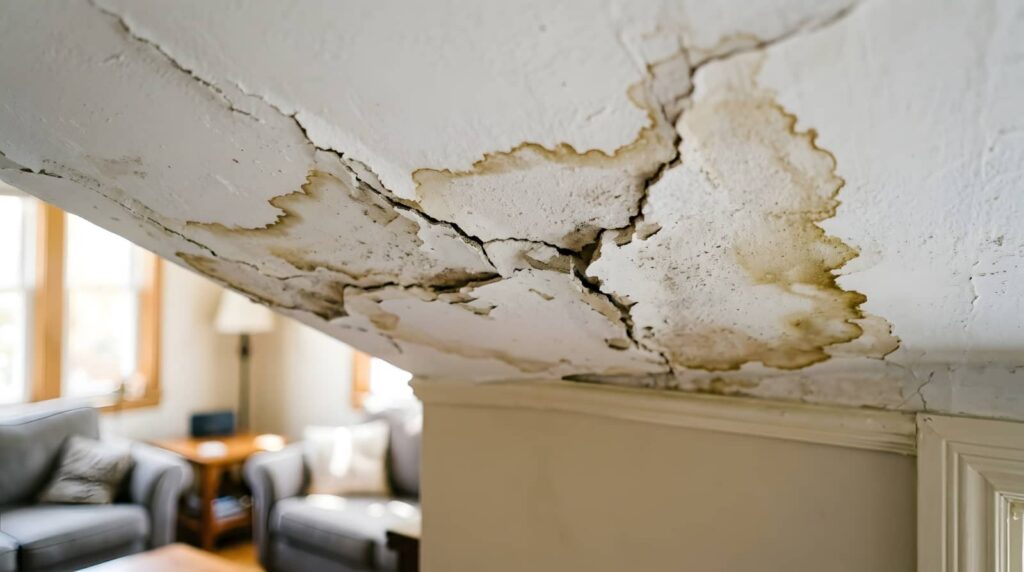
Start with a thorough visual inspection; look for discoloration, sagging, or peeling paint. These signs are vital for your water damage assessment. Use a flashlight to check hidden areas, like corners and seams, where moisture might accumulate.
Don’t forget to inspect surrounding walls for additional damage. Take notes on any findings, as these will help you understand the severity of the problem.
Ceiling inspection tips include checking for mold or mildew, which can indicate prolonged exposure to moisture.
Keep Track of Everything for Your Claim
To effectively navigate your water damage claim, it’s essential to keep meticulous records of every detail. Start with claim organization by creating a dedicated folder either physical or digital where you store all related documents.
Use documentation methods like taking clear photographs of the damage, noting dates and times of incidents, and recording conversations with contractors or insurance agents. Each piece of information adds value to your claim.
Keep receipts for repairs and any temporary accommodations, as these can bolster your case. Regularly update your records to guarantee you don’t overlook any critical details.
This organized approach not only simplifies the claims process but also helps you feel more in control during a stressful time.
Notify Your Insurance Provider Promptly
Notifying your insurance provider promptly is crucial, as delays can complicate your claim process. As soon as you discover ceiling water damage, initiate your insurance notification. This step is essential to guarantee you follow the correct claim procedures.
Gather all necessary documentation, including photos and repair estimates, to support your case. Your insurer may have specific timelines and requirements, so familiarize yourself with those details.
A timely notification not only enhances your chances of a smoother claim but also shows your proactive approach in addressing the situation. Remember, the sooner you communicate with your provider, the better equipped you’ll be to navigate the complexities of your ceiling water damage claim effectively.
Key Aspects of Your Ceiling Damage Insurance Policy
Understanding the key aspects of your ceiling damage insurance policy can considerably impact how effectively you handle a claim. Start by reviewing your policy coverage; it outlines what types of damage are included.
For ceiling damage, you’ll want to know if water damage from a specific source, like a burst pipe, is covered. Be aware of claim exclusions as well these are situations where your policy won’t provide compensation.
Common exclusions can include damage from lack of maintenance or wear and tear. Familiarizing yourself with these details guarantees you’re prepared for any discussions with your insurer, helping you advocate for your rights effectively.
Ultimately, knowing your policy can lead to a smoother claims process and a better outcome.
Get Insurance Estimates From Contractors
When dealing with ceiling water damage, it’s essential to understand your insurance coverage limits before getting estimates from contractors.
Obtaining multiple estimates can provide a clearer picture of repair costs and options available.
Be certain to document all findings, as this information will support your claim and guarantee you receive fair compensation.
Understand Insurance Coverage Limits
How well do you grasp the intricacies of your insurance policy when it comes to ceiling water damage? Understanding coverage limits is essential. Here’s what you need to take into account:
Coverage Types: Familiarize yourself with what your policy includes—whether it covers sudden leaks or gradual wear.
Policy Exclusions: Identify any exclusions that could leave you vulnerable, like damage from flooding or neglect.
Claim Limits: Know the maximum your insurer will pay for repairs; you don’t want to be blindsided by unexpected costs.
Obtain Multiple Estimates
Three estimates can provide a clearer picture of the costs associated with repairing ceiling water damage. By obtaining multiple estimates, you can perform effective cost comparisons, helping to identify the most reasonable options.
Focus on contractor qualifications; check their experience, certifications, and customer reviews to guarantee you’re choosing a reliable professional. This isn’t just about the lowest price; it’s about value. A low estimate might mean cutting corners, while a higher one could reflect quality workmanship and materials.
Engaging with different contractors also allows you to ask questions and gauge their responsiveness. This process not only equips you with essential information for your insurance claim but also fosters a sense of community by connecting with trusted local professionals.
Document All Findings
While gathering estimates from contractors, it’s crucial to meticulously document all findings to strengthen your insurance claim.
Start by ensuring thorough ceiling inspections are performed, as these reveal the extent of damage. Next, take clear damage photographs; they serve as visual evidence and can be pivotal in your claim process.
- Record all contractor notes, including observations and suggested repairs.
- Compile a timeline of events leading to the damage, helping to establish context.
- Keep a detailed log of all communications with contractors and insurers.
Submit Your Claim With the Right Documents
To successfully submit your ceiling water damage claim, you’ll need to gather essential documents that clearly outline the extent of the damage.
Focus on providing detailed damage documentation and adhere to the timely submission requirements set by your insurance provider.
Ensuring you have everything in order can streamline the claims process and improve your chances of a favorable outcome.
Essential Claim Documents Needed
When you file a ceiling water damage claim, having the right documents can greatly impact the outcome. You’ll want to gather essential paperwork to support your case.
Here are three key items to include:
Claim Photographs: Capture the damage clearly. These visuals provide undeniable proof of the situation, showing the extent of the issue.
Repair Invoices: Keep detailed invoices from contractors or repair services. These documents validate your expenses and reinforce the necessity of repairs.
Insurance Policy: Include a copy of your policy to clarify coverage details and any specific requirements.
Submitting these documents not only strengthens your claim but also fosters a sense of community, ensuring you’re not traversing this challenging process alone.
Detailed Damage Documentation Tips
Gathering the right documents sets a solid foundation for your ceiling water damage claim. Start with photo evidence of the damage, ensuring you capture various angles and affected areas.
Keep detailed notes about the incident, including the date, time, and any observable moisture readings. Obtain repair estimates from reputable contractors, as these will support your claim’s financial aspects.
Document all contractor communications, noting any insurance jargon they use, which can clarify your situation. Finally, categorize the damage types water stains, mold, or structural issues.
This meticulous approach not only strengthens your claim but also helps you adhere to claim timelines, ensuring you’re well-prepared for the process ahead.
Timely Submission Requirements
Submitting your claim promptly, along with the necessary documents, is essential for a successful resolution of your ceiling water damage issue.
Delays can lead to missed policy timelines and potential claim denials, so act quickly. Here are three key steps to guarantee you meet your claim deadlines:
Gather All Required Documents: Include photos, repair estimates, and your policy details to provide a thorough view of the damage.
Review Your Policy: Understand the specific timelines for submitting claims to avoid unnecessary setbacks.
Submit as Soon as Possible: The sooner you submit, the more likely you’re to receive the support you need, fostering a sense of belonging in your community during this stressful time.
Follow Up on Your Claim Progress
How can you guarantee your ceiling water damage claim progresses smoothly? Start by implementing effective follow-up strategies.
Regularly check in with your insurance provider to guarantee claim communication remains open and clear. Set reminders to contact them weekly or bi-weekly; this keeps your claim fresh in their minds.
When you follow up, ask specific questions about your claim status, required documents, or any potential delays. Document each interaction, noting names and dates, which can provide clarity if issues arise later.
If you encounter roadblocks, don’t hesitate to escalate the matter. By staying proactive and engaged, you not only foster a sense of belonging in the claims process but also enhance the likelihood of a swift resolution.
Frequently Asked Questions
How Long Do I Have to File a Ceiling Damage Claim?
You typically have one to two years to file a ceiling damage claim, depending on your insurance policy. Make sure to conduct a thorough damage assessment right away to support your claim effectively.
Can I Claim for Temporary Repairs?
You can claim for temporary repairs under your insurance coverage, especially since 60% of homeowners face unexpected water damage. Document your repairs thoroughly to support your claim and guarantee you’re adequately compensated for your efforts.
Will My Premium Increase After Filing a Claim?
Yes, your premium could increase after filing a claim. Insurers conduct a premium assessment, and claim impact varies based on your history and the severity of the damage, potentially leading to higher future rates.
What if My Insurance Denies the Claim?
If your claim’s denied, explore your insurance policy specifics. Initiate the claim appeal process promptly; gather evidence and consult your agent. Understanding nuances can bolster your position, fostering a sense of community support during challenges.
How Can I Expedite the Claims Process?
To expedite your claims process, gather thorough claim documentation, including photos and repair estimates. Review your insurance policy insights for coverage specifics, ensuring you meet all requirements and communicate promptly with your claims adjuster.
Recap
Effectively managing ceiling water damage claims is essential for a successful recovery. Did you know that nearly 40% of homeowners experience water damage at some point? By thoroughly evaluating the damage, keeping meticulous records, and promptly notifying your insurance provider, you can streamline the claims process. Remember, timely action and consistent follow-ups are key. Stay proactive, and you’ll increase your chances of a favorable resolution to your claim.