When you face ceiling water damage, the costs can quickly add up, and it’s essential to understand why. The severity of the damage plays a critical role in determining expenses, but it’s not the only factor. Skilled labor, necessary materials, and even location can influence the price you’ll pay. As you navigate this complex situation, you may uncover hidden costs that complicate your budget. What else should you be aware of to avoid unexpected surprises?
Key Takeaways
- Extensive damage often requires structural repairs and mold remediation, significantly increasing overall repair costs.
- Skilled labor is essential for quality repairs, but it comes at a higher expense.
- Premium materials enhance durability but also elevate costs, particularly for complex repairs.
- Hidden damage may be revealed during inspection, leading to unforeseen expenses.
- Urban areas typically have higher labor rates and stricter regulations, further driving up repair costs.
How Severity Affects Repair Costs?
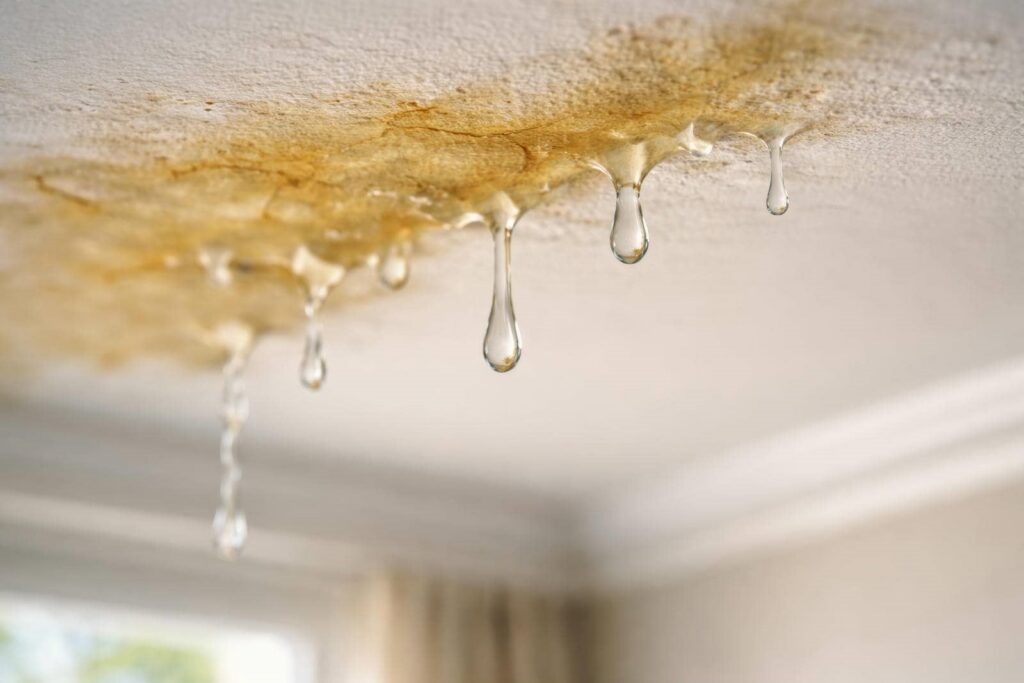
When evaluating ceiling water damage, understanding how severity affects repair costs is essential. The complexity of repair increases with the extent of the damage. A minor leak may require a straightforward fix, while severe damage might involve structural repairs, mold remediation, or even complete ceiling replacement.
During a damage assessment, you’ll notice that factors like the source of the water, duration of exposure, and materials involved all play a role in determining repair costs. The more extensive the damage, the higher the repair complexity, which translates to increased labor and material costs.
Key Factors Influencing Ceiling Water Damage Repair Costs
Understanding the key factors influencing ceiling water damage repair costs can considerably impact your budget and decision-making process. Several elements come into play, and being aware of them can help you steer through this challenging situation:
Extent of damage: The more severe the damage, the higher the costs.
Material quality: Premium materials can increase repair expenses but may offer better durability.
Labor costs: Skilled professionals might charge more, but their expertise can prevent future issues.
Insurance claims: Managing your policy can be complex, affecting out-of-pocket expenses.
Additionally, don’t forget to reflect on repair warranties—they can provide peace of mind but might also influence the total cost.
Understanding these factors helps you make informed choices and fosters a sense of belonging in community discussions about home maintenance.
Why You Need Professional Expertise for Ceiling Repairs
When it comes to ceiling repairs, professional expertise is essential for several reasons.
First, experts can identify hidden damage that mightn’t be immediately visible, which can lead to more significant issues down the line.
Additionally, they ensure proper repair techniques are used and address safety considerations, protecting both the integrity of your home and your well-being.
Identifying Hidden Damage
Hidden damage in ceiling repairs often goes unnoticed until it escalates into a larger issue, making professional expertise crucial. You might think a simple leak is manageable, but hidden leaks can undermine your home’s structural integrity.
Without thorough visual inspections and diagnostic tools, you risk:
- Increased mold growth that can affect your health
- Complicated insurance claims that delay repairs
- Long-term effects on your property’s value
- Higher repair costs down the line
Prevention strategies are essential, yet they often require a trained eye. By hiring professionals, you address immediate concerns while safeguarding against future problems.
Your home deserves the best care, and professional expertise ensures that hidden damage is identified and remedied effectively.
Ensuring Proper Repair Techniques
While attempting to repair ceiling damage might seem straightforward, the complexity of the materials and techniques involved often demands professional expertise.
Effective repair methods require a thorough understanding of the types of ceilings and the specific damage incurred. Choosing the right materials is essential; using subpar options can lead to further issues down the line, increasing costs.
Professionals are trained to assess the damage accurately and implement the appropriate techniques, ensuring a long-lasting fix. They know how to blend new materials seamlessly with existing structures, maintaining aesthetic appeal.
Safety Considerations During Repair
Ceiling repairs involve several safety risks that make professional expertise vital. You might underestimate the dangers, but handling water-damaged ceilings without proper knowledge can lead to serious harm.
Consider the following safety concerns:
Structural instability: Wet ceilings can collapse unexpectedly.
Electrical hazards: Water can damage wiring, increasing shock risks.
Mold exposure: Spores can trigger health issues if disturbed.
Inadequate safety gear: Personal protective equipment is essential for your safety.
Professionals know how to mitigate these risks. They arrive with the right safety gear and experience, ensuring a secure environment.
Essential Materials for Ceiling Water Damage Repairs
When repairing ceiling water damage, you’ll need a few essential materials to ensure a successful outcome.
Understanding drywall replacement techniques, having the right repair tools, and utilizing moisture detection equipment are critical steps in the process.
Each of these components plays a crucial role in restoring your ceiling effectively and preventing future issues.
Drywall Replacement Techniques
Replacing drywall after ceiling water damage requires careful selection of materials and techniques to secure a lasting repair. Proper drywall patching and confirming adequate ceiling insulation are essential for preventing future issues.
Here are some key considerations:
- Choose moisture-resistant drywall to withstand humidity.
- Confirm proper sealing to prevent leaks from reoccurring.
- Incorporate ceiling insulation to enhance energy efficiency.
- Use professional-grade tape and joint compound for a smooth finish.
Essential Repair Tools
To effectively tackle ceiling water damage repairs, gathering the right tools and materials is essential. You’ll need a few key repair tools, including a utility knife for cutting drywall, a drywall saw for precise openings, and a taping knife for smooth joint application.
Essential equipment like a moisture meter can help you assess the extent of water damage before you start. Additionally, a paint roller and brush will be useful for finishing touches once repairs are complete.
Don’t forget safety gear like goggles and gloves to protect yourself during the process. Having these tools ready streamlines your repair efforts and enhances the quality of your work, ensuring a lasting solution to water damage.
Moisture Detection Equipment
Gathering the right tools is only part of the equation; using effective moisture detection equipment is essential for successful ceiling water damage repairs. Understanding the moisture levels in your ceiling can save you time and money.
Here’s why you should invest in high-quality detection technology:
- Prevents further damage by identifying hidden moisture.
- Enhances property value through thorough repairs.
- Reduces health risks by addressing potential mold growth.
- Increases repair efficiency with precise moisture mapping.
With the right equipment, you can pinpoint issues quickly, ensuring a thorough and effective repair process.
Investing in quality moisture detection protects your home and fosters a sense of community as you share your knowledge and experience with others facing similar challenges.
How Location Impacts Repair Pricing?
While many factors influence ceiling water damage repair costs, your location plays a crucial role in determining the overall price. Urban areas typically experience higher repair costs compared to rural settings. This difference arises from increased labor rates, higher demand for services, and elevated overhead costs in cities.
In contrast, rural locations may offer more competitive pricing, but the availability of qualified contractors can be limited, potentially leading to longer wait times for repairs. Additionally, local regulations and building codes can impact pricing; urban centers may have stricter requirements, driving up costs.
Understanding these urban vs. rural cost variations can empower you to make informed decisions when addressing ceiling water damage in your home.
What Hidden Costs Should You Watch Out For?
What hidden costs might surprise you when repairing ceiling water damage? While you may have budgeted for visible repairs, unexpected expenses can quickly arise.
It’s crucial to be prepared for these potential pitfalls, especially when maneuvering through insurance claims.
Mold remediation: If water damage leads to mold growth, it can be very costly.
Structural repairs: Hidden issues may compromise the ceiling’s integrity, requiring more extensive work.
Inspection costs: Professionals often need to assess the damage thoroughly before repairs begin.
Additional materials: You might need extra supplies that weren’t initially considered.
Being aware of these hidden costs can help you plan better and avoid feeling overwhelmed during the repair process.
Frequently Asked Questions
How Can I Prevent Ceiling Water Damage in the Future?
To prevent ceiling water damage, implement waterproofing techniques and conduct regular maintenance. Inspect your roof and plumbing for leaks, ensure proper drainage, and address any signs of moisture promptly to protect your home effectively.
What Insurance Coverage Applies to Ceiling Water Damage Repairs?
When it comes to ceiling water damage, your homeowner’s insurance often covers repairs, but watch out for coverage limits and policy exclusions. Understanding these details ensures you’re not left high and dry when disaster strikes.
How Long Does the Repair Process Typically Take?
The repair timeline typically spans 1 to 3 days, including damage assessment. Factors like severity and accessibility influence duration. You’ll want to ensure a thorough evaluation for a successful, timely restoration of your ceiling.
Can I DIY Ceiling Water Damage Repairs Safely?
Yes, you can DIY ceiling water damage repairs safely, but ensure you have the right DIY tools and follow essential safety precautions. Assess the damage, wear protective gear, and know your limits to avoid complications.
What Signs Indicate Hidden Damage Beyond the Ceiling?
You’ll notice signs like peeling paint, dark spots, or mold growth indicating hidden leaks. Using moisture detection tools can help identify unseen damage, ensuring you address issues before they escalate into costly repairs. Stay proactive!
Recap
Understanding the intricacies of ceiling water damage repair can help you navigate the often high costs involved. By being aware of the severity of damage, the necessity for skilled labor, and potential hidden issues, you can better prepare for the financial implications. Investing in professional expertise ensures quality repairs and can save you money in the long run.