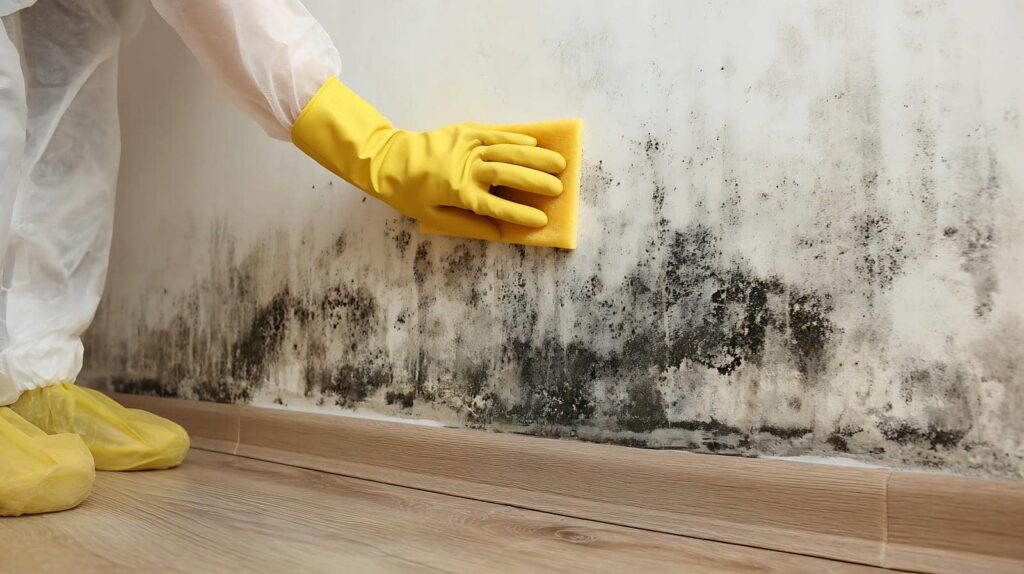
Mold Prevention After Flooding should begin immediately, as mold can start developing within 24 to 48 hours after water damage. Acting quickly to remove standing water, thoroughly dry affected areas, control indoor humidity, and disinfect surfaces can help protect your home from long-term damage and keep your space safe and healthy.
Key Takeaways
- Act Quickly: Start the drying process immediately to prevent mold growth; within 24-48 hours, stagnant water can foster mold development.
- Use Proper Equipment: Utilize fans and dehumidifiers to remove moisture effectively, ensuring optimal airflow and humidity control throughout the drying process.
- Inspect Thoroughly: Check hidden areas like crawl spaces and behind appliances for moisture and mold, documenting findings to track progress.
- Dispose Safely: Remove and seal contaminated materials like soaked carpets and drywall in plastic bags to prevent mold spread and ensure safe disposal.
- Educate and Maintain: Promote regular yard and gutter maintenance to divert water away from your home, reducing future mold risks and fostering community awareness.
Understanding Water Damage: Why Immediate Action Is Crucial
When flooding occurs, understanding the extent of water damage is vital, as even a small delay in response can lead to serious consequences.
The flood impact can be immediate and devastating, affecting your property and your health. Water left stagnant creates a perfect environment for mold growth, which can start within 24 to 48 hours.
Mold spores can trigger allergies and respiratory issues, making swift action imperative. By evaluating the damage promptly, you can determine which items can be salvaged and which should be discarded.
This proactive approach protects your home and fosters a sense of community well-being. Remember, taking immediate steps now can save you from larger problems later.
Start the Drying Process Immediately
After evaluating the extent of water damage, starting the drying process immediately is paramount. Delaying this step can lead to mold growth, which can compromise your home and health.
Utilize effective drying techniques such as fans, dehumidifiers, and natural ventilation to remove moisture quickly. Make immediate actions your priority; every hour counts in preventing mold. Focus on areas with standing water first, and then move to damp surfaces like carpets and walls.
Confirm you’re monitoring humidity levels throughout the drying process. By taking swift action and employing the right techniques, you safeguard your property and foster a sense of belonging within your community, ensuring everyone stays safe and healthy.
How to Assess Water Damage and Check Moisture Levels
Evaluating water damage and checking moisture levels are essential steps in mold prevention after flooding.
Start by conducting a thorough damage assessment of your home. Look for visible signs of water damage, like discoloration or warping in walls and floors. Use moisture detection tools, such as moisture meters, to measure levels in affected materials; readings above 20% typically indicate a problem.
Don’t forget to check hidden areas, like behind appliances and in crawl spaces. Document your findings to track progress as you dry out the space.
If you find excessive moisture, consider professional help to ensure thorough drying. By taking these steps, you create a safer environment and build a sense of community stewardship in your home.
Remove Contaminated Materials Safely
When you remove contaminated materials after flooding, safety should be your top priority.
Make certain you wear protective gear, like gloves and masks, to shield yourself from harmful substances.
Additionally, use proper disposal methods to minimize health risks and ensure compliance with local regulations.
Wear Protective Gear
To effectively remove contaminated materials after flooding, you must prioritize your safety by wearing appropriate protective gear.
Start with durable, waterproof gloves to shield your hands from mold and harmful substances. Next, consider wearing a mask rated for particulate filtration, as this will protect your lungs from inhaling spores.
Protective clothing, such as coveralls or long-sleeved shirts, is essential to prevent skin contact with contaminated materials. Don’t forget sturdy boots to keep your feet safe from hazardous debris.
Proper Disposal Methods
Removing contaminated materials safely is essential in preventing mold growth after flooding. Start by identifying items that can’t be cleaned, like soaked carpets, drywall, and insulation.
For effective mold disposal, seal these materials in plastic bags to minimize spore release during removal. Dispose of them according to local waste management guidelines to ensure safety and compliance.
Next, clean any salvageable items with a mixture of water and detergent, then thoroughly dry them to prevent future mold.
Always check with local authorities about hazardous waste regulations, especially if materials are heavily contaminated.
Using Dehumidifiers and Fans for Effective Drying
To effectively combat moisture after flooding, you’ll want to strategically place dehumidifiers and fans throughout the affected area.
Proper fan usage can enhance air circulation, while monitoring humidity levels ensures you’re on track for ideal drying.
Optimal Dehumidifier Placement
Placing dehumidifiers and fans strategically can greatly enhance the drying process after flooding. Start by selecting the right dehumidifier types for your space—commercial units work well in larger areas, while portable models suit smaller rooms.
Position the dehumidifier in the center of the affected area, making sure it’s elevated to maximize air circulation. Avoid placing it directly against walls or furniture, as this can obstruct airflow.
Use fans to complement your dehumidifier; place them to create a cross-breeze, directing moist air toward the dehumidifier. Regularly check the humidity levels to verify your setup is effective.
Fan Usage Techniques
Using fans effectively alongside dehumidifiers can greatly enhance the drying process after flooding.
Start by implementing smart fan placement strategies; position fans to create cross-ventilation, directing airflow towards wet areas. This helps evaporate moisture more efficiently.
Experiment with fan speed adjustments based on the severity of the wetness; higher speeds can quickly disperse moisture in heavily affected areas, while lower speeds are suitable for less saturated spots.
Don’t forget to rotate fans every few hours to ensure even drying throughout the space.
By following these techniques, you’ll considerably reduce the risk of mold growth.
Monitoring Humidity Levels
Effective monitoring of humidity levels is vital in preventing mold growth after flooding. To achieve ideal humidity control, use dehumidifiers and fans strategically. Dehumidifiers extract excess moisture from the air, helping maintain a humidity level below 60%.
Regularly check humidity levels with a hygrometer to ensure effective moisture monitoring. Position fans to promote air circulation, aiding the drying process and reducing stagnant air pockets where mold can thrive.
It’s important to continue using these tools even after visible surfaces appear dry, as hidden moisture can still linger. By prioritizing humidity control, you create an environment less conducive to mold, fostering a healthier living space.
Stay proactive, and your efforts will pay off in mold prevention.
Clean and Disinfect Affected Areas
After a flood, it’s crucial to promptly clean and disinfect affected areas to prevent mold growth.
Start by using effective mold removal techniques, such as scrubbing surfaces with a mixture of soap and water. For deeper disinfection, choose suitable disinfectant solutions that are EPA-approved for mold.
Be thorough; focus on areas like walls, floors, and furniture that may have absorbed water. Make sure you wear protective gear, including gloves and masks, to safeguard your health during the cleaning process.
After cleaning, dry the areas completely, as moisture promotes mold development.
Preventing Future Water Damage and Mold Growth
To keep your home safe from future water damage and mold growth, proactive measures are necessary. Start by using water-resistant materials in vulnerable areas, like basements and bathrooms.
Installing moisture barriers can considerably reduce humidity levels and prevent mold spores from thriving. Consider effective drainage solutions, such as French drains or downspout extensions, to divert water away from your foundation.
Additionally, engage in preventive landscaping by grading your yard to slope away from your home and maintaining gutters to ensure proper water flow.
These steps not only protect your space but also foster a sense of community by encouraging responsible homeownership. By taking these measures, you create a safer, healthier environment for yourself and your loved ones.
Recognizing the Right Time to Call Professionals
When dealing with the aftermath of flooding, knowing when to call in professionals can make a significant difference in preventing long-term damage.
If you notice visible mold growth, musty odors, or extensive water damage, it’s time to reach out for mold inspection services. Don’t underestimate the risks; mold can spread quickly and pose health hazards.
Additionally, if you’re unsure about the extent of the damage or feel overwhelmed, professional remediation can provide peace of mind. Experts have the tools and knowledge to address hidden issues effectively.
Trusting professionals protects your property and fosters a sense of community, as you take proactive steps to ensure a safe environment for yourself and others.
Frequently Asked Questions
How Long Does It Take for Mold to Grow After Flooding?
Mold can start growing within 24 to 48 hours after flooding. Understanding this mold growth timeline is essential for effective flood damage recovery. Act quickly to minimize risks and ensure a safe environment for you and your loved ones.
Can I Use Bleach to Clean Mold?
You can use bleach for mold removal, but it’s not always the most effective method. While it kills surface mold, it doesn’t penetrate porous materials. Consider alternative mold removal methods for thoroughness and lasting results.
What Are the Health Risks of Mold Exposure?
Mold exposure can lead to various health risks, like mold symptoms, allergic reactions, respiratory issues, and even chronic fatigue. If you notice these signs, it’s essential to address the problem promptly for your well-being.
Are There Specific Materials That Mold Prefers?
Mold loves what’s damp and dark; its favorite materials include wood, drywall, and carpet. These moisture retention surfaces create perfect breeding grounds. By addressing these areas, you can markedly reduce mold growth and improve your environment.
How Can I Tell if My Home Is Still Damp?
You can tell if your home’s still damp by using moisture detection tools and monitoring humidity levels. If readings exceed 60%, it indicates excess moisture, creating a conducive environment for mold growth.
Summary
In the aftermath of flooding, acting swiftly is your best defense against mold. Think of water as an uninvited guest—if you don’t show it the door quickly, it’ll settle in for a longer stay. By following these tips, you can mitigate damage and maintain a healthy environment. Remember, vigilance is key; regular maintenance and prompt action will help you keep mold at bay, ensuring your space remains safe and welcoming.