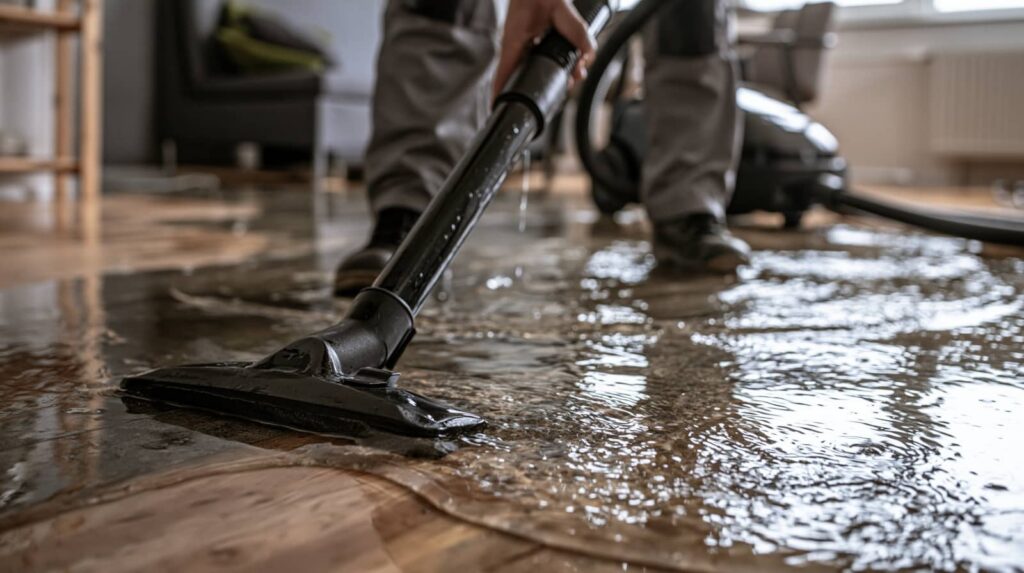
When dealing with water damage, having the right tools is vital for effective restoration. You’ll need equipment that can accurately assess moisture levels, enhance airflow, and improve air quality. Each tool serves a specific purpose, making it essential to understand their functions. In the following sections, we’ll explore the five best professional water damage restoration tools and how they can make a significant difference in your restoration efforts.
Key Takeaways
Moisture Meters: Essential for accurately measuring moisture levels in various materials to assess the extent of water damage effectively.
Industrial Fans: Crucial for promoting airflow and speeding up the drying process, preventing mold growth and further damage.
Dehumidifiers: Effective in removing excess moisture from the air, helping to restore a safe and healthy environment.
Air Scrubbers: Important for improving air quality by filtering out contaminants and odors, ensuring a healthier space post-restoration.
Infrared Cameras: Useful for detecting hidden moisture behind walls and in ceilings, allowing for thorough assessments and targeted restoration efforts.
Understanding Water Damage and Its Impact
When you encounter water damage, it’s essential to understand its immediate and long-term impacts. Identifying water sources, such as leaks or flooding, is vital for effective damage prevention.
Initially, you might notice structural weakening, mold growth, and damage to personal belongings. These issues can escalate if not addressed promptly, leading to costly repairs and health risks.
Long-term effects can include persistent odors, compromised air quality, and ongoing structural issues that undermine your home’s integrity. Recognizing the potential risks allows you to take proactive measures, ensuring your environment remains safe and comfortable.
5 Essential Water Damage Restoration Tools
Addressing water damage effectively requires the right tools to minimize further complications and restore your space.
Essential tools include moisture meters and industrial fans. Moisture meters are important for accurately evaluating the level of moisture in walls, floors, and other materials. They help you identify hidden dampness, ensuring that you address all affected areas.
On the other hand, industrial fans are essential for promoting airflow and accelerating the drying process. By strategically placing these fans, you can effectively reduce humidity levels and prevent mold growth.
Together, these tools not only help you restore your environment but also enhance your efficiency and effectiveness in handling water damage.
Investing in quality equipment is key to successful restoration.
Criteria for Selecting Effective Water Damage Restoration Equipment
Selecting effective water damage restoration equipment is crucial for achieving excellent results, especially since the right tools can greatly impact the efficiency of your restoration efforts.
When choosing equipment, consider the following criteria:
Equipment Durability: Confirm tools are built to withstand harsh conditions and frequent use.
User Safety: Prioritize equipment that offers safety features to protect you during operation.
Efficiency Rating: Look for tools that provide maximum performance with minimal energy consumption.
Ease of Use: Select equipment that’s intuitive and easy to operate, enhancing your workflow.
Best Practices for Using and Maintaining Restoration Tools
While using restoration tools effectively is vital for successful water damage recovery, proper maintenance guarantees their longevity and reliability.
To confirm tool safety, always inspect your equipment before each use. Look for wear and tear, and replace any damaged parts immediately. After each job, clean and dry your tools to prevent corrosion and buildup.
Proper equipment storage is also important; keep your tools in a designated, dry area to avoid damage and make sure they’re easily accessible for your next project.
Organizing your tools not only enhances efficiency but fosters a sense of professionalism within your team. By adhering to these best practices, you’ll enhance your workflow and contribute to a safer, more productive work environment.
What Should You Expect to Pay for Water Damage Tools?
When investing in water damage restoration tools, it’s important to understand the costs involved. Your expenses can vary widely based on several factors, including the quality and type of tools you choose.
Here are some key cost considerations:
Initial Investment: High-quality tools may have a higher upfront cost but can save you money in the long run.
Maintenance: Regular upkeep can extend tool longevity, reducing replacement costs.
Training: Investing in proper training guarantees you’re using tools effectively, maximizing their lifespan.
Warranty: Consider tools with warranties, as they can mitigate future repair costs.
Frequently Asked Questions
How Do I Choose the Right Size of Water Extraction Pump?
To choose the right size water extraction pump, assess your water pump capacity needs. Consider extraction pump types based on the volume of water and the area to be serviced, ensuring efficient and effective water removal.
Can I Rent Water Damage Restoration Tools Instead of Buying?
Yes, you can rent water damage restoration tools. A cost comparison shows rental benefits like lower upfront expenses and access to advanced equipment. This way, you save money while effectively handling your restoration needs.
What Safety Gear Is Needed During Water Damage Restoration?
Imagine stepping into a storm; you’ll need gloves, masks, and waterproof boots. Following safety protocols guarantees you’re protected. Regular equipment maintenance keeps your gear reliable, helping you tackle water damage with confidence and camaraderie.
How Long Does It Take to Dry Out a Water-Damaged Area?
It typically takes 24 to 72 hours to dry out a water-damaged area. Employ efficient drying techniques and regularly measure moisture levels to guarantee thorough drying and prevent mold growth. Your diligence makes a difference.
Are There Eco-Friendly Options for Water Damage Restoration Tools?
Yes, you can find eco-friendly options for water damage restoration tools. By using eco-friendly materials and adopting sustainable practices, you’ll contribute to a healthier environment while effectively addressing water damage in your space.
Wrap-Up
Investing in the right restoration tools is essential for combating catastrophic water damage. By selecting superior moisture meters, industrious fans, diligent dehumidifiers, adept air scrubbers, and precise thermal imaging cameras, you not only enhance efficacy but also guarantee enduring results. Prioritizing proper practices and preventive measures will help you master the mitigation process, ultimately saving you time and money. Equip yourself with essential tools to tackle water damage challenges and safeguard your property’s integrity.