When flooding occurs, every moment counts. Acting quickly isn’t just a matter of convenience; it’s essential for minimizing damage and ensuring safety. Within 24 to 48 hours, mold can start to form, jeopardizing both your home and health. Understanding the immediate steps to take for water removal can make all the difference, especially when it comes to protecting your belongings and maintaining the integrity of your space. What’s the best strategy to tackle this urgent situation?
Key Takeaways
- Quick action reduces the risk of mold growth, which can start within 24 to 48 hours after flooding.
- Immediate response minimizes structural damage and lowers potential repair costs.
- Engaging professionals for water removal increases the chances of preserving sentimental belongings.
- Swiftly removing water creates a healthier living environment by preventing dampness and associated health risks.
- Rapid assessments by experts ensure a comprehensive understanding and effective mitigation of water damage.
The Importance of Immediate Action
When flooding occurs, acting quickly is essential to minimizing damage and ensuring safety. Your immediate response can greatly impact the effectiveness of flood recovery efforts. The longer water sits, the more damage it can cause to your property and belongings.
Mold growth can begin within 24 to 48 hours, posing health risks and complicating recovery efforts. By prioritizing swift action, you can mitigate structural damage and reduce the overall cost of repairs.
Start by moving to higher ground and securing important documents and valuables to prevent loss. Reach out to professionals who specialize in water removal and damage restoration. Their expertise accelerates the recovery process, allowing you to return to normalcy faster.
In a community that values support and resilience, your readiness to act can inspire others to do the same, fostering a collective effort toward recovery and rebuilding.
Assessing the Damage
After flooding, it’s essential to evaluate the initial impact on your property quickly.
Look for visible damage to walls, flooring, and other structures that may affect safety.
Addressing structural integrity concerns early can prevent further complications and ensure your space remains secure.
Initial Impact Evaluation
Flooding can cause widespread damage, making it essential to assess the situation promptly.
Start your initial damage assessment by documenting affected areas and determining the extent of water intrusion. Look for signs of damage in walls, floors, and personal belongings. This evaluation helps prioritize your response and provides valuable information for insurance claims.
Implement immediate response strategies, like removing water and drying out spaces, to prevent further deterioration. Engage with neighbors and local resources to share insights and support each other during this challenging time.
Structural Integrity Concerns
As you begin evaluating the damage from flooding, it’s crucial to prioritize the appraisal of your property’s structural integrity.
Start by examining the foundation stability, as any cracks or shifts can indicate serious issues. Look for signs of water intrusion, which may compromise load-bearing elements.
If you notice warped floors or sagging ceilings, these could signal the need for immediate structural repairs. Understanding the extent of the damage helps inform your next steps, ensuring safety and preventing further complications.
Engage professionals to conduct a thorough assessment, as their expertise can guide you in addressing potential risks effectively.
Safety Precautions Before Entering
Before stepping into a flood-affected area, you need to prioritize safety precautions to protect yourself from potential hazards. Start by wearing appropriate safety gear, including waterproof boots, gloves, and masks. These items shield you from contaminants and debris that may be present in the water.
Next, be aware of electrical hazards. Floodwaters can damage electrical systems, so make certain the power is turned off before entering any space. Look for downed power lines or sparks, and avoid touching anything that may be electrically charged.
Check for structural stability as well; unstable surfaces can pose serious risks. Always carry a flashlight to navigate dark areas safely, and never work alone—having someone with you can provide assistance in case of an emergency.
Taking these precautions helps ensure your safety while you work to address the aftermath of flooding.
Water Extraction Techniques
When dealing with flood damage, effective water extraction techniques are essential for minimizing long-term issues.
You’ll want to understand the various pumping methods, the use of wet vacuums, and the importance of dehumidification processes.
Each technique plays an important role in ensuring your space returns to a safe and dry condition promptly.
Pumping Techniques Overview
While immediate action is essential after flooding, choosing the right water extraction techniques can greatly impact the recovery process.
Various pumping methods are available, each suited for different water levels and conditions. Submersible pumps, for instance, excel in deep water situations, effectively removing significant amounts of water quickly. On the other hand, utility pumps work well for lower water levels, providing a cost-effective solution for smaller areas.
It’s important to assess the specific situation and select a method that aligns with the water depth and volume. By employing the appropriate pumping techniques, you can expedite the drying process, minimize damage, and create a safer environment for everyone involved in the recovery efforts.
Wet Vacuum Methods
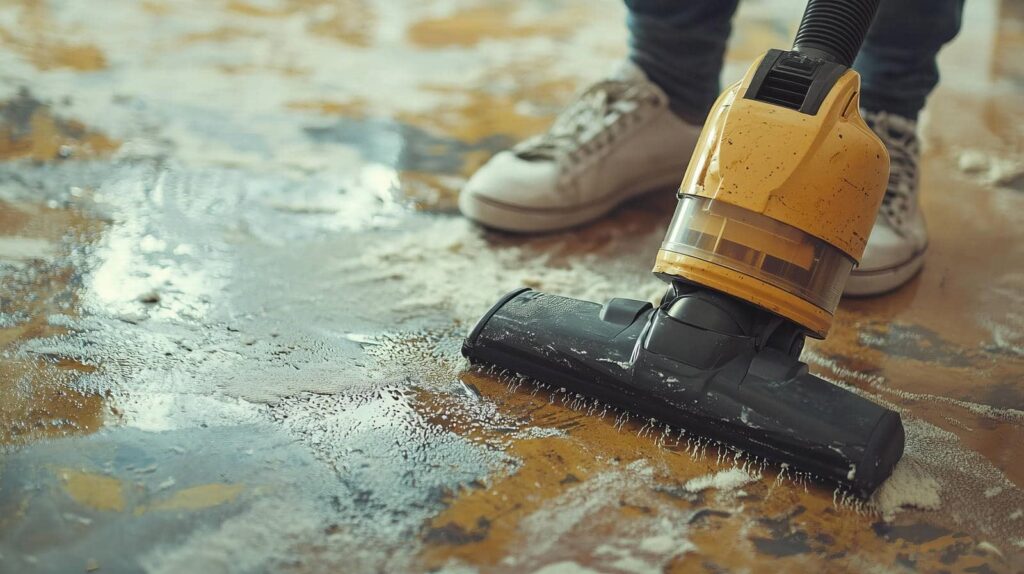
Wet vacuum methods represent an effective solution for extracting water from surfaces after flooding, particularly in areas with limited access for larger pumps.
These versatile machines come in various wet vacuum types, including portable and truck-mounted options, allowing you to choose based on your specific needs.
The benefits of wet vacuums are significant; they can remove water from carpets, upholstery, and hard surfaces, minimizing damage and preventing mold growth.
By acting quickly, you enhance the efficacy of these methods, ensuring a cleaner and safer environment.
Using a wet vacuum also allows for detailed work in tight spaces, providing a thorough approach to water removal.
Embracing these methods fosters a sense of community resilience in the face of flooding challenges.
Dehumidification Processes
Effective dehumidification processes are essential for restoring spaces after flooding, especially in preventing long-term damage and mold growth.
You’ll find that the benefits of dehumidification extend beyond just drying surfaces; they play a vital role in moisture control.
Here are key aspects to take into account:
- Reduces indoor humidity levels quickly
- Prevents mold and mildew growth
- Protects building materials and furniture
- Improves air quality for occupants
- Enhances the overall restoration process
Drying Out Affected Areas
After a flood, your priority should be drying out affected areas to prevent further damage and mold growth.
Quickly removing water is vital, as lingering moisture can lead to extensive water damage. Start by using pumps to eliminate standing water, then focus on dehumidifiers and fans to enhance moisture control. Open windows and doors to improve air circulation, helping to accelerate the drying process.
Don’t forget to check hidden spaces, like under floors and behind walls, where moisture can hide. Use moisture meters to verify that all areas are adequately dried.
It’s essential to act swiftly; the longer you wait, the greater the risk of structural damage and health hazards. By taking these steps, you’ll create a safer environment for yourself and your loved ones, demonstrating a commitment to restoring your home and protecting your community.
Preventing Mold Growth
To prevent mold growth, you must act decisively and maintain a dry environment in the wake of flooding. Mold spores can begin to thrive within 24 to 48 hours if moisture is present.
Here are key steps to ensure effective humidity control:
- Remove standing water immediately.
- Use dehumidifiers to reduce humidity levels.
- Ventilate affected areas by opening windows and doors.
- Clean and dry all surfaces thoroughly, especially porous materials.
- Monitor humidity levels regularly with a hygrometer.
Taking these actions keeps your space safe and strengthens your community’s resilience against future flooding.
By being proactive, you protect your home and create a healthier environment for everyone.
Salvaging Personal Belongings
Although flooding can devastate your personal belongings, swift action can help you salvage many items before irreparable damage occurs. Start by prioritizing personal items that hold significant sentimental value, such as photographs, keepsakes, and heirlooms. Remove these items from the affected area as quickly as possible, ideally within 24 to 48 hours of flooding.
For textiles like clothing and linens, rinse them with clean water and hang them to dry. Avoid using heat, as it can further damage fabrics.
For electronics, don’t attempt to power them on; instead, let them dry out completely and consult a professional before deciding their fate.
Document the damage with photos for insurance purposes. By acting decisively, you’ll maximize your chances of preserving those cherished items that carry emotional significance, ensuring that precious memories remain intact despite the flood’s impact.
Professional Water Removal Services
When flooding occurs, engaging professional water removal services can greatly expedite the recovery process.
These experts provide an emergency response that minimizes further damage and ensures a safer environment. They utilize professional equipment designed to effectively remove water and dry affected areas.
Here’s what you can expect from these services:
- Rapid assessment of the damage to determine the best course of action.
- High-powered pumps that quickly extract standing water.
- Industrial-grade dehumidifiers to eliminate moisture in the air.
- Advanced drying techniques to prevent mold growth.
- Expert guidance on restoring your space and belongings.
Long-Term Prevention Strategies
After addressing immediate water removal needs, it’s crucial to implement long-term prevention strategies to protect your property against future flooding.
Start by installing flood barriers, which can effectively redirect water away from your home during heavy rains. These barriers not only protect your foundation but also offer peace of mind for you and your family.
Next, focus on moisture control within your property. Verify proper drainage around your home by clearing gutters, downspouts, and landscaping that might trap water.
Consider waterproofing your basement or crawl space to prevent moisture buildup, which can lead to mold growth and structural damage.
Regularly inspect and maintain these systems to ensure they function efficiently.
Frequently Asked Questions
How Long Can Standing Water Remain Before Causing Damage?
Standing water can cause significant damage within 24 to 48 hours. Mildew and mold start developing quickly, while structural integrity can deteriorate. It’s essential to address standing water immediately to minimize damage and protect your space.
What Are the Signs of Hidden Water Damage?
You’ll notice signs of hidden water damage through unexpected stains, musty odors, and warped surfaces. If hidden leaks persist, they can lead to mold growth, compromising both your home’s integrity and your well-being.
How Do I Identify Contaminated Water Sources?
To identify contaminated water sources, look for discoloration, unusual odors, or debris. Conduct water testing to detect harmful bacteria or chemicals. Trust your instincts—if it seems off, it likely is. Stay safe and informed.
Can I Use My Home Insurance for Water Removal?
You can often use your home insurance for water removal, as many policies cover such damages. Understanding your insurance coverage and the claims process is essential to ensure you receive the support you need.
What Should I Do With My Pets After Flooding?
Ensure your pets’ safety by following your evacuation plans. Move them to a secure location away from floodwaters, check for their needs, and keep them calm. Monitor their health and behavior during the recovery process.
Review
In the aftermath of a flood, prompt and purposeful action is paramount. By prioritizing water removal, you protect your property and personal possessions from potential perils like mold and mildew. Swiftly seeking professional services can greatly lessen long-term damage and disruption. Remember, the key is to act quickly and decisively to ensure a safer, healthier home environment. Don’t let dampness dictate your dwelling’s destiny—seize control and safeguard your space today!