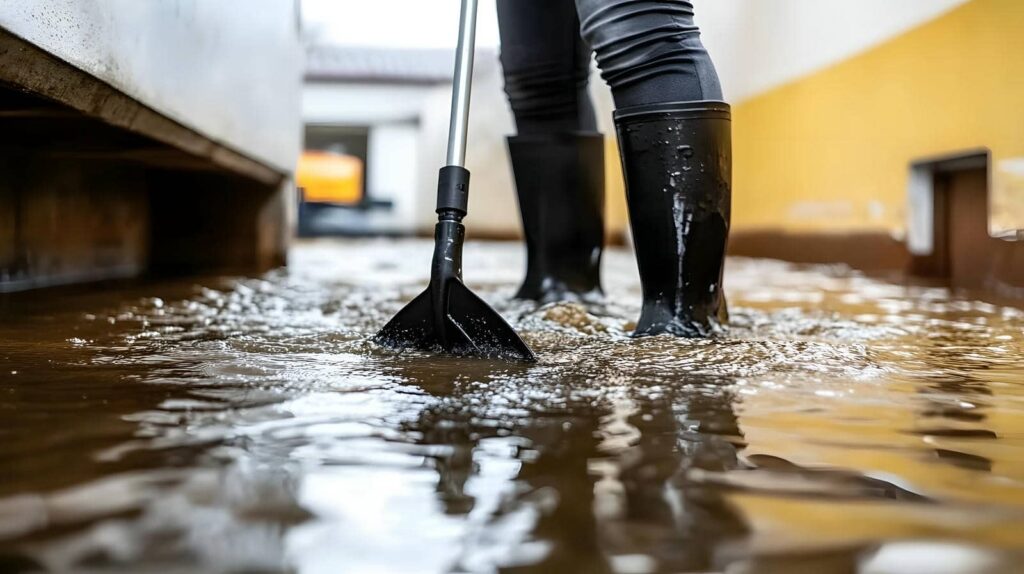
In the midst of a water crisis, the right equipment acts like a lifeline, pulling you from the depths of chaos. When it comes to emergency water removal, selecting the best tools can make all the difference in efficiency and effectiveness. From submersible pumps to wet/dry vacuums, each option serves a distinct purpose. Understanding these tools’ capabilities can help you tackle water damage head-on, but which ones should you prioritize?
Key Takeaways
- Submersible pumps are essential for efficient water removal, operating underwater to minimize flood damage and energy consumption.
- Wet/dry vacuums offer versatility for various spill sizes, with high CFM ratings for faster cleanup and portability for easy maneuvering.
- Water extraction machines utilize advanced technology for quick removal, with adjustable suction settings for tailored performance in different environments.
- Dehumidifiers are crucial for reducing humidity levels post-water removal, with higher capacity models ensuring faster moisture extraction.
- Air movers enhance the drying process by creating directed airflow, preventing mold growth when used alongside dehumidifiers.
Submersible Pumps
Submersible pumps are essential tools for efficient water removal in various emergency situations. You’ll find different submersible pump types, including sewage pumps, drainage pumps, and deep-well pumps, each designed for specific applications.
Understanding these distinctions allows you to choose the right pump for your needs.
One of the primary submersible pump advantages is their ability to operate underwater, effectively reducing the risk of damage from flooding. They can handle large volumes of water quickly, making them ideal for emergency scenarios.
Additionally, submersible pumps are often more energy-efficient compared to other water removal options, which can save you money during prolonged use.
When faced with water emergencies, having the right submersible pump can make a significant difference. By knowing the various types and advantages, you can confidently select the best solution to tackle your water removal challenges.
Wet/Dry Vacuums
When choosing a wet/dry vacuum for emergency water removal, you’ll encounter various types suited for different needs.
It’s important to evaluate key features such as suction power, capacity, and portability to ensure peak performance.
Regular maintenance and care will also enhance the vacuum’s longevity and efficiency during critical situations.
Types of Wet/Dry Vacuums
Wet/dry vacuums come in various types, each designed to tackle specific cleaning challenges efficiently. You’ll find models with different suction power, ranging from light-duty units for small spills to heavy-duty machines capable of handling significant water removal tasks.
Portable vacuums are great for quick jobs, while larger, stationary models offer enhanced capacity and suction strength for extensive areas. Some vacuum types feature specialized attachments for tackling different surfaces, enhancing their versatility.
If you’re facing a severe water emergency, consider a unit with a high CFM (cubic feet per minute) rating, as this indicates superior suction power, making the cleanup process faster and more effective.
Choosing the right type ensures you’re equipped to handle any situation confidently.
Key Features to Consider
Selecting the right wet/dry vacuum requires attention to several key features that can greatly impact performance and usability.
First, consider the vacuum’s power, typically measured in horsepower; higher power means more efficient water removal.
Next, look for an appropriate tank capacity; a larger tank allows for extended use before needing to empty.
The vacuum’s suction capability is also vital; check the water lift and airflow ratings for peak performance.
Additionally, essential specifications like filter types and ease of cleaning can enhance your experience.
Finally, portability features, such as wheels and weight, ensure you can maneuver easily during emergencies.
Maintenance and Care Tips
To ensure your wet/dry vacuum operates efficiently and lasts longer, regular maintenance is essential.
Start by cleaning the filter after each use to prevent clogs that can reduce suction power.
Inspect the hose for any cracks or blockages, as these can hinder performance during emergencies.
It’s also wise to empty the tank after each use to avoid rust and mold, especially if you’re preparing for potential water damage situations.
Lubricate moving parts as recommended by the manufacturer to assure smooth operation.
Finally, store your vacuum in a dry, clean area to protect it from moisture.
Water Extraction Machines
When dealing with water damage, having the right equipment is essential, and water extraction machines stand at the forefront of restoration efforts. These machines utilize advanced water extraction techniques, effectively removing large volumes of water quickly to minimize damage.
When choosing a water extraction machine, consider factors such as suction power, tank capacity, and portability. Equipment comparisons can help you determine which model best suits your needs. Some machines excel in residential settings, while others are designed for commercial applications, offering higher capacities and faster extraction rates.
For peak results, select a machine that combines efficiency with ease of use. Features like adjustable suction settings and ergonomic designs enhance usability.
Dehumidifiers
Dehumidifiers play an essential role in the water damage restoration process by effectively reducing humidity levels in affected areas.
When you’re faced with excess moisture, selecting the right dehumidifier types is vital. You’ll find options like refrigerant and desiccant dehumidifiers, each tailored for specific environments. Refrigerant models work best in warm conditions, while desiccant types excel in cooler spaces.
Consider important dehumidifier features such as capacity, energy efficiency, and built-in hygrometers. A higher capacity ensures faster moisture removal, making your restoration efforts more efficient.
Energy-efficient models save on electricity costs and help maintain a sustainable approach to recovery.
Air Movers
After dehumidifiers have done their job in reducing humidity levels, air movers come into play to expedite the drying process.
These powerful machines create targeted air flow to enhance drying efficiency in water-damaged areas. By strategically placing air movers, you can direct airflow toward saturated surfaces, ensuring moisture evaporates quickly.
Air movers are designed to operate quietly yet effectively, making them ideal for residential or commercial settings. They come in various sizes, so you can choose models that best fit your specific needs.
When positioned correctly, they help to reduce drying time considerably, preventing mold growth and further damage.
It’s essential to use air movers in conjunction with dehumidifiers for peak results. Together, they form a synergistic approach to water removal, maximizing air circulation and promoting a thorough drying environment.
Invest in high-quality air movers to ensure your space returns to normal as quickly and effectively as possible.
Infrared Cameras
Infrared cameras play an essential role in moisture detection, allowing you to identify hidden water damage quickly and accurately.
Their efficiency in locating leaks minimizes the time and resources spent on repairs, enhancing your overall response to water emergencies.
Additionally, the thermal imaging benefits these cameras provide enable you to assess temperature differentials, making it easier to pinpoint problem areas.
Moisture Detection Capabilities
Moisture detection is essential in emergency water removal, and infrared cameras offer advanced capabilities that enhance this process.
These cameras utilize sophisticated detection technology to identify moisture hidden behind walls or under floors, which traditional moisture sensors might miss. By capturing thermal images, infrared cameras reveal temperature variations caused by dampness, allowing you to pinpoint problem areas quickly.
This precision is vital for effective remediation, ensuring you address all moisture sources before they lead to mold or structural damage. Additionally, using these cameras fosters a sense of community among professionals, as sharing insights and techniques can improve overall outcomes.
Investing in infrared technology elevates your emergency water removal efforts and strengthens your expertise in the field.
Efficiency in Locating Leaks
Detecting leaks quickly and accurately can greatly reduce damage and repair costs during emergency water removal. Infrared cameras are essential tools for effective leak detection, allowing you to identify hidden moisture without invasive methods.
These cameras create detailed thermal images that help you visualize temperature differences, pinpointing areas where moisture is present. By employing moisture mapping techniques, you can efficiently trace the source of leaks, saving time and resources.
When you integrate infrared technology into your leak detection strategy, you enhance your ability to respond promptly and effectively. Ultimately, this precision minimizes damage while fostering a sense of community among professionals who share a commitment to quality and efficiency in emergency water removal.
Thermal Imaging Benefits
When you incorporate thermal imaging into your emergency water removal strategy, you gain access to a powerful tool that enhances your ability to identify moisture issues swiftly and accurately.
Thermal imaging technology allows you to visualize temperature differences, helping you locate hidden leaks and damp areas without invasive methods. This efficiency greatly reduces the time spent diagnosing problems, enabling you to take action quickly.
With various thermal imaging applications, you can assess walls, ceilings, and floors effectively, ensuring no moisture source goes unnoticed.
Moisture Meters
Accurate assessment of moisture levels in materials is essential for effective water damage restoration. Moisture meters are invaluable tools for this purpose, utilizing advanced moisture measurement techniques to deliver precise readings.
By employing these humidity assessment tools, you can quickly identify affected areas and determine the extent of water intrusion.
When choosing a moisture meter, consider factors like accuracy, ease of use, and the types of materials you’ll be testing. Pin-type meters penetrate surfaces for direct moisture readings, while non-invasive models provide surface measurements without damaging the material.
Both types help you make informed decisions about drying and restoration processes.
Understanding the moisture content in walls, floors, and other structures allows you to tailor your response, ensuring no hidden issues persist.
Safety Equipment
While conducting water removal operations, prioritizing safety equipment is vital to protect yourself and your team from potential hazards. Start by confirming you have the necessary tools for hazard awareness, like gas detectors and alert systems, to identify any dangerous conditions.
Additionally, having first aid kits readily available can make a significant difference in emergencies.
Implementing safety protocols is essential; establish clear communication channels and designate roles among your team members to enhance coordination during operations. Consider using warning signs and barriers to keep unauthorized personnel away from hazardous areas.
Regularly review safety equipment to verify it’s in good working order, and conduct drills to familiarize your team with the protocols.
By emphasizing safety equipment, you’re not just safeguarding lives; you’re fostering a culture of responsibility and teamwork.
Personal Protective Equipment (PPE)
To ensure your safety during water removal operations, utilizing the appropriate Personal Protective Equipment (PPE) is vital. Adhering to established PPE standards confirms you’re protected from potential hazards, such as bacteria, mold, and sharp objects.
Start with basic PPE types: gloves, goggles, and masks. Heavy-duty gloves prevent cuts and exposure to contaminants, while goggles shield your eyes from splashes and airborne particles. Respiratory protection, like N95 masks, is essential when dealing with mold or polluted water.
Additionally, consider wearing waterproof boots and coveralls to keep your skin dry and protected. Each type of PPE serves a specific purpose, and using them in combination enhances your safety.
Frequently Asked Questions
How Do I Choose the Right Size Equipment for My Emergency Needs?
To choose the right size equipment for your needs, review equipment specifications carefully. Consider size considerations like the area affected and water depth to ensure efficient removal, meeting your specific emergency requirements effectively.
What Is the Average Cost of Water Removal Equipment?
Water removal equipment can range from $150 for small pumps to over $1,500 for industrial models. Regular maintenance ensures efficiency and longevity. Understanding water pump pricing helps you budget effectively for emergency situations.
How Long Does Water Removal Typically Take?
Water removal duration typically ranges from a few hours to several days, depending on the extent of the flooding and your emergency response. Quick action often minimizes damage and speeds up the overall process.
Can I Rent Equipment Instead of Buying It?
Sure, you can rent equipment instead of buying it. Rental options often provide cost efficiency, letting you access high-quality gear for your emergency needs without the hefty price tag of ownership.
What Safety Precautions Should I Take During Water Removal?
Always wear safety gear like gloves and boots. Check for electrical hazards, ensuring power sources are turned off before starting. Stay aware of slippery surfaces and potential contaminants to minimize risks during water removal.
Wrap-Up
In emergency water removal, choosing the right equipment is like assembling a well-tuned orchestra. Each tool, from submersible pumps to air movers, plays an essential role in restoring order from chaos. By combining these powerful instruments, you can effectively tackle water damage and minimize losses. Remember, the right gear enhances efficiency and ensures safety. Equip yourself with the best, and you’ll turn a deluge into a manageable stream, ready to reclaim your space.