When a storm strikes, the aftermath can leave you feeling overwhelmed and uncertain. Prioritizing storm damage restoration techniques isn’t just about fixing what’s broken; it’s vital for safeguarding your home and health. Swift action can prevent further issues, like hidden mold, that compromise your safety and property value. Understanding the nuances of effective restoration can foster community resilience, but the right strategies are imperative. What steps should you take to guarantee a thorough recovery?
Key Takeaways
- Prioritizing storm damage restoration minimizes further destruction and reduces repair costs, protecting property value.
- Timely restoration maintains health and safety for occupants by preventing hazards like mold growth.
- Quick action facilitates a smoother insurance claim process, ensuring financial support for repairs.
- Effective restoration techniques enhance structural integrity, promoting long-term stability and resilience of the property.
- Community involvement during restoration fosters support, strengthens ties, and encourages collaborative recovery efforts.
Understanding the Impact of Storm Damage
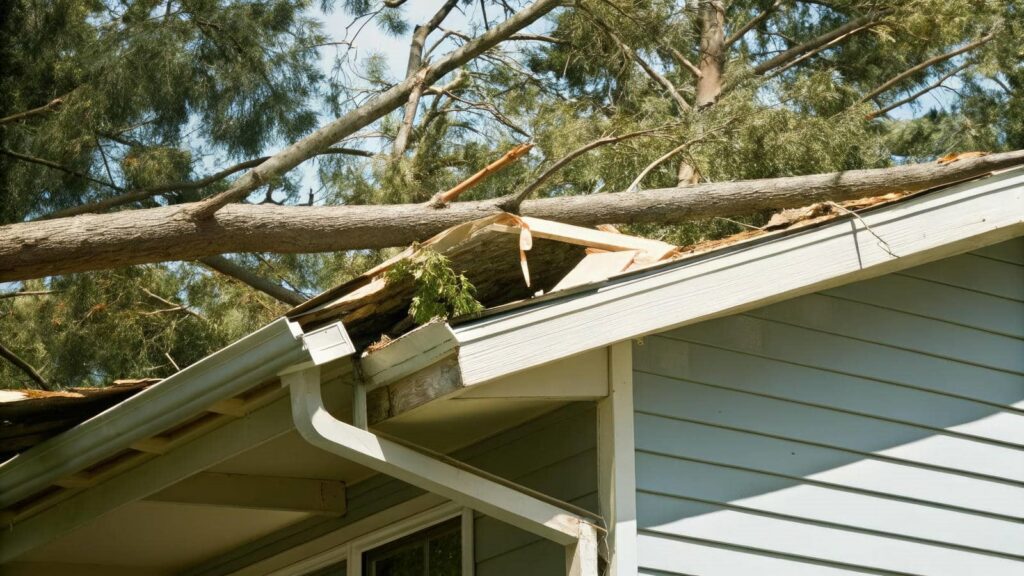
When a storm strikes, you mightn’t fully grasp the extent of its impact until you see the aftermath. The scene can be heartbreaking, with homes and communities suffering significant damage. Conducting a thorough damage assessment is essential in understanding what’s been lost or compromised.
You’ll notice uprooted trees, shattered windows, and waterlogged interiors—it’s overwhelming. Each element of destruction tells a story, reminding you of the shared experiences and memories tied to your space.
As you observe the devastation, it becomes clear that the storm’s impact goes beyond physical structures; it affects livelihoods and emotional well-being. Recognizing the broader implications of storm aftermath fosters a sense of connection among those impacted.
The Importance of Timely Response
Responding quickly to storm damage is essential for minimizing further destruction to your property.
Delaying action not only increases repair costs but can also pose serious health and safety risks to you and your family.
Furthermore, a prompt response streamlines the insurance claim process, ensuring you receive the support you need without unnecessary complications.
Minimizing Further Damage
Timely response is essential in minimizing further damage after a storm, as every moment counts in preventing secondary issues like mold growth and structural weakening.
By implementing effective damage control strategies right away, you can protect not only your property but also your peace of mind. Prioritizing preventative measures, such as securing leaks and removing standing water, can greatly reduce the potential for more costly repairs later.
It’s vital to act quickly, as delayed responses often lead to compounded problems that can affect your entire living environment.
Health and Safety Risks
Ignoring the aftermath of a storm can lead to significant health and safety risks. When you delay restoration, you expose yourself and your loved ones to potential health hazards, such as mold growth and contaminated water.
These issues can escalate quickly, affecting air quality and overall well-being. By prioritizing timely response, you’re not just protecting your property; you’re safeguarding the health of everyone in your community.
Implementing proper safety protocols during the restoration process is vital. You need to make certain that you wear protective gear and follow guidelines to minimize exposure to harmful substances.
Insurance Claim Efficiency
When a storm strikes, the clock starts ticking on your insurance claim process, making prompt action essential for maximizing your benefits.
Delaying your response can lead to complications and missed opportunities. By acting quickly, you guarantee that your claim documentation is thorough and accurate, which can expedite approval.
- You’ll feel empowered knowing you’re taking control of your situation.
- Quick action can lead to faster repairs, restoring your home and peace of mind.
- Every moment counts when steering through the stress of storm damage.
Assessing the Severity of Damage
Although storms can leave behind widespread destruction, determining the severity of damage is essential for effective restoration. When you begin evaluating the impact, it’s vital to employ proper damage evaluation and assessment techniques.
Start by inspecting both the exterior and interior of your property. Look for visible signs like roof leaks, broken windows, or structural cracks; these often indicate deeper issues.
Take notes and photos to document everything, as this information can be invaluable for insurance claims and future repairs.
Don’t overlook less obvious damage, like mold growth or water intrusion, which can develop over time.
Techniques for Effective Water Removal
When you’re faced with water damage, evaluating the extent is essential for effective restoration.
You’ll need to employ advanced extraction methods to mitigate further issues, followed by thorough drying and dehumidification to guarantee no lingering moisture remains.
Each step is important to safeguarding your property and preventing potential health hazards.
Assessing Water Damage
Effective water removal starts with a thorough assessment of the damage, as this critical step determines the success of the restoration process. You’ll want to focus on water source identification and utilize damage assessment tools to pinpoint the extent of the issue.
Begin by evaluating affected areas, checking for hidden pockets of moisture that could lead to further complications.
- The heartache of losing cherished belongings
- The worry of mold growth threatening your home
- The relief that comes from restoring your safe haven
Understanding the severity of water damage not only helps you react appropriately but also fosters a sense of community and support as you navigate the restoration journey together with others facing similar challenges.
Advanced Extraction Methods
As you tackle water damage restoration, employing advanced extraction methods can greatly enhance your efforts in effective water removal. By utilizing advanced equipment like high-powered pumps and specialized vacuums, you’ll considerably improve extraction efficiency.
These tools not only remove standing water quickly but also help eliminate moisture trapped in carpets, walls, and other materials.
You’ll find that employing thermal imaging technology can pinpoint hidden water pockets, ensuring no area is overlooked. This meticulous approach fosters a sense of community and support, as you work to restore not just your property, but also your peace of mind.
Drying and Dehumidification
To achieve ideal results in water damage restoration, understanding the essential role of drying and dehumidification techniques is imperative.
You’ll want to utilize specialized drying equipment and effective dehumidification techniques to guarantee your space returns to a safe and healthy condition.
- Feel the relief of a dry home, free from mold and mildew.
- Experience the comfort of a restored sanctuary after the chaos.
- Reclaim your peace of mind knowing your environment is safe.
Restorative Measures for Structural Integrity
When a storm wreaks havoc on your property, evaluating the structural integrity of your home becomes a critical first step. You need to assess the damage thoroughly, looking for cracks, weakened beams, or compromised foundations.
Using quality restoration materials is essential to guarantee that your repairs aren’t just cosmetic but strengthen your home’s resilience for the future.
Consider structural reinforcement techniques, such as adding steel braces or using high-strength epoxy, which can effectively stabilize weakened areas. You’ll want to collaborate with professionals who understand the best practices in storm damage restoration, guaranteeing that your home becomes a safe haven again.
Your home is more than just a building; it’s a sanctuary that deserves careful attention and nurturing. By prioritizing these restorative measures, you can foster a sense of security and belonging in your space, ultimately restoring not just your property, but your peace of mind.
Mold Prevention Strategies
Once you’ve guaranteed your home’s structural integrity, it’s essential to address mold prevention strategies.
You want your home to be a safe haven, free from the health risks that mold can pose. Implementing effective mold identification techniques is vital in this process. Regularly checking for moisture and dampness can help you catch potential issues early.
Consider these strategies:
Keep humidity levels low: Use dehumidifiers in humid areas to inhibit mold growth.
Ensure proper ventilation: Open windows and use exhaust fans to promote airflow, especially in kitchens and bathrooms.
Regularly inspect for leaks: Address plumbing issues immediately to prevent moisture accumulation.
Long-Term Recovery Planning
As you navigate the aftermath of a storm, developing a thorough long-term recovery plan is essential for restoring your home and peace of mind. Start by evaluating the damage and prioritizing repairs that guarantee safety and stability.
This isn’t just about rebuilding it’s about rebuilding your community. Engage with neighbors and local organizations to foster community involvement, which can provide emotional support and practical resources during this challenging time.
Effective resource allocation is key. Identify available funds, grants, or volunteer programs that can assist in your recovery efforts.
Create a timeline for repairs, guaranteeing you set realistic goals that consider both your needs and the community’s overall recovery. By collaborating with others, you not only share the burden but also strengthen community ties.
Frequently Asked Questions
How Can I Identify Hidden Storm Damage in My Property?
To identify hidden storm damage, check for water stains, mold, or musty odors. Inspect your roof and foundation for cracks. Hidden leaks can undermine structural integrity, so act quickly to protect your home and peace of mind.
What Types of Insurance Cover Storm Damage Restoration Costs?
Around 40% of homeowners’ insurance policies include storm insurance, but coverage limits can vary considerably. You’ll want to review your policy to guarantee you’re adequately protected against storm damage restoration costs and unexpected expenses.
Can I Perform Storm Damage Restoration Myself?
You can perform storm damage restoration yourself, but conducting a thorough storm assessment is vital. DIY restoration can save money, yet it’s essential to understand your limits and seek help when necessary for safety and effectiveness.
How Long Does the Storm Damage Restoration Process Typically Take?
When it rains, it pours, and the storm damage restoration process usually takes a few days to weeks. Your restoration timeline hinges on the damage assessment, ensuring every detail’s addressed for your home’s recovery.
What Are the Signs of Mold Development After a Storm?
You’ll notice mold development signs like musty odors, discoloration on walls, or increased humidity. Implementing mold prevention strategies during your storm aftermath assessment can help protect your home and create a safe, welcoming environment for everyone.
Review
In the aftermath of a storm, prioritizing damage restoration is like tending to a wound addressing it swiftly can prevent further complications. By responding quickly and employing effective techniques, you not only safeguard your property but also protect the health and well-being of your community. Remember, each restoration effort strengthens the bonds among residents, fostering resilience and a renewed sense of security. Together, you can rebuild and emerge even stronger from the challenges nature presents.