
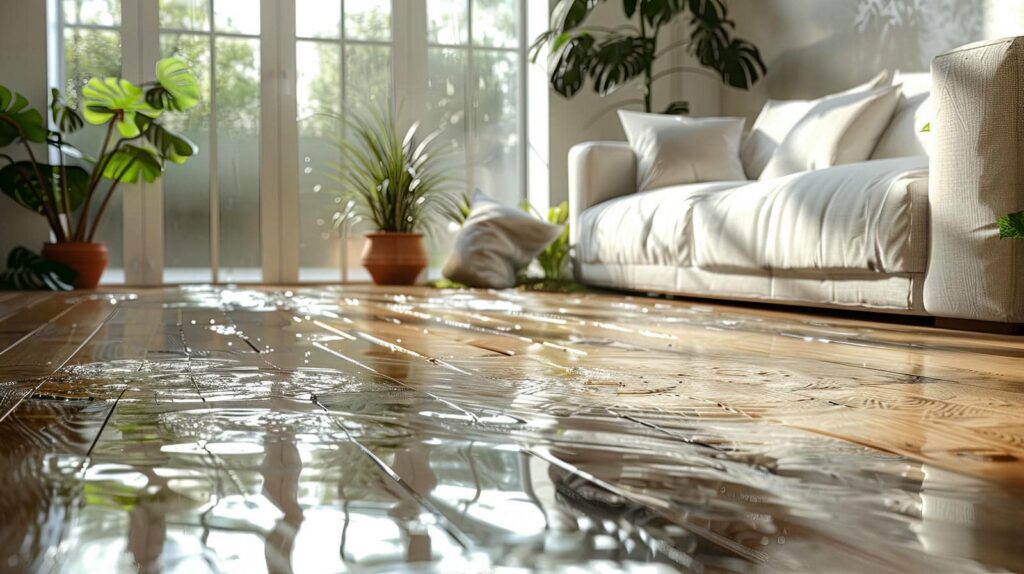
If your home has flooded, it’s essential to act quickly to minimize damage and safeguard your belongings. Start by evaluating the situation and documenting everything for insurance claims. You’ll want to remove valuables and begin cleanup as soon as possible. Understanding the right flooded home tools and steps can make a significant difference. But how do you know when it’s time to call in the professionals? The next steps can shape your recovery.
Key Takeaways
- Immediately assess and document flood damage to support insurance claims and identify necessary repairs.
- Use wet/dry vacuums and fans to remove water and promote drying, preventing mold growth.
- Wear safety gear like gloves and masks to protect yourself during cleanup.
- Call professionals if the damage is extensive, or if mold and structural issues arise.
- Implement long-term solutions, such as improved drainage systems and flood-resistant landscaping, to minimize future risks.
How to Assess Flood Damage in Your Home
When you’re faced with flood damage, it’s essential to assess the situation quickly to minimize further issues.
Start by walking through your home to identify the flood impact. Look for visible signs of water, such as damp walls, warped floors, or damaged furniture. Pay attention to electrical systems and appliances—safety is your priority.
Document everything with photos for your insurance claim; this damage evaluation will be imperative later. If you notice mold or persistent moisture, it’s essential to act fast, as these can worsen over time.
Remember, you’re not alone in this; seeking help from professionals can make a significant difference.
Immediate Steps to Take After Flooding
As soon as the waters recede, you need to act quickly to mitigate damage and ensure safety.
Start by checking for hazards and evaluating your property. Connect with your emergency contacts, and don’t hesitate to reach out for help. Document everything for your insurance claims.
- Take photos of the damage to support your claim.
- Remove valuables to prevent further loss and heartache.
- Reach out to neighbors for support; you’re not alone in this.
Essential Tools for Flood Cleanup
Flood cleanup requires a few essential tools to make the process smoother and more effective. First, gather proper cleanup equipment like mops, buckets, and wet/dry vacuums to remove water swiftly.
Next, invest in drying techniques such as fans and dehumidifiers to prevent mold growth. Safety gear is vital too—wear gloves, masks, and boots to protect yourself from contaminants.
Consider using restoration products to repair damaged surfaces and restore your home’s comfort. Having these tools on hand eases the burden and helps you feel in control during a challenging time.
When Should You Call the Pros for Flood Damage?
How do you know when it’s time to call in the professionals for flood damage? Recognizing the right moment can make all the difference in your home’s recovery. Here are a few signs that indicate you should seek help:
- You’re overwhelmed by the extent of water damage.
- Structural issues like sagging walls or ceilings arise.
- Mold starts to develop, threatening your family’s health.
In these situations, professionals can perform a thorough damage assessment and ensure proper flood restoration.
They’ve the expertise to tackle hidden issues that you might overlook.
Don’t hesitate to reach out for assistance—your home deserves the best care to restore it to its former glory, and you shouldn’t have to navigate this challenging time alone.
Long-Term Strategies to Prevent Flood Damage
After addressing the immediate aftermath of flood damage, it’s important to think ahead and implement strategies that can help prevent future incidents.
Start by investing in flood-resistant landscaping, which includes planting native vegetation and creating swales to direct water away from your home. These natural solutions not only enhance your yard but also support local ecosystems.
Additionally, consider drainage system upgrades to ensure water flows away efficiently. Installing sump pumps or improving gutters can make a significant difference.
Engaging with your community to share resources and knowledge can also foster a supportive environment.
Frequently Asked Questions
How Can I File an Insurance Claim for Flood Damage?
To file your flood damage insurance claim, gather all necessary insurance documentation and contact your insurer. They’ll guide you through the claim process, ensuring you understand each step and receive the support you need.
What Health Risks Are Associated With Floodwaters?
Floodwaters can harbor harmful contaminants, leading to infections, gastrointestinal issues, and respiratory problems. You should take health precautions like wearing protective gear and avoiding contact to keep yourself and your loved ones safe.
Can I Salvage My Furniture After Flooding?
Yes, you can salvage your furniture after flooding, but act quickly. Clean and dry items thoroughly to prevent mold. For flood damage, consider professional furniture restoration to help restore your cherished pieces and maintain your home’s warmth.
How Long Does It Take for a Home to Dry Out Completely?
It usually takes several days to weeks for your home to dry out completely, depending on drying techniques and moisture monitoring. Staying patient and proactive can help ensure your space returns to a safe, comfortable haven.
What Are the Signs of Mold Growth After Flooding?
You’ll notice signs of mold growth like musty odors, discoloration on walls, or damp spots. For effective mold identification, act quickly. Implement prevention strategies, such as proper ventilation and dehumidifiers, to protect your home.
Review
Restoring your flooded home might feel like battling a raging sea, but with swift action and the right tools, you can conquer the chaos. By evaluating the damage, tackling cleanup, and knowing when to call in the pros, you’ll turn your disaster into a distant memory. Don’t let water dictate your life; reclaim your space and protect it from future floods. With determination, you can transform your home back into a safe haven, where storms can’t touch you!