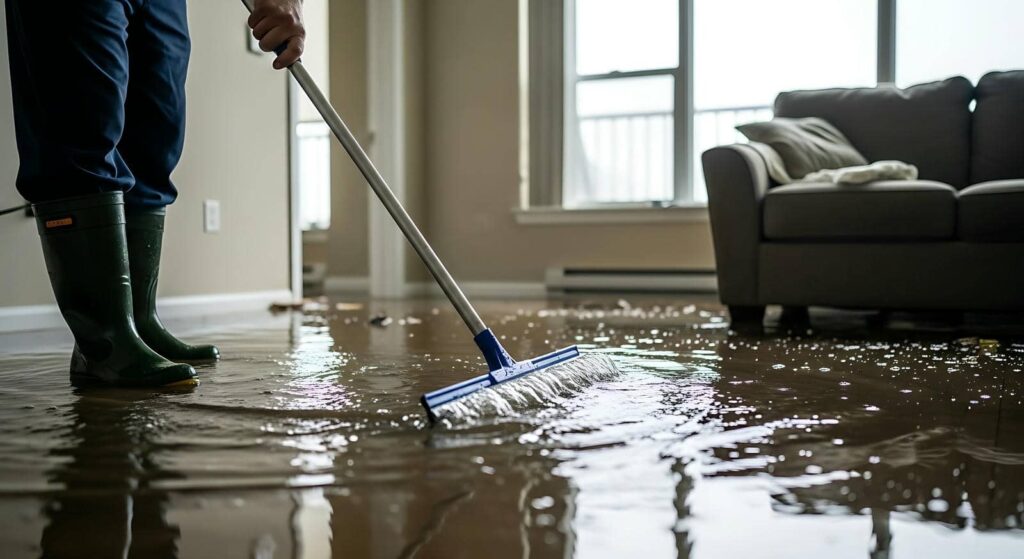
When a flood strikes, you might recall the stories of communities banding together to combat the rising waters. In such moments, having the right tools at your disposal can make all the difference. From submersible pumps to air movers, each tool plays a crucial role in effective emergency water removal. Understanding the strengths of these tools is essential for a successful recovery. What exactly should you prioritize when the situation demands immediate action?
Key Takeaways
- Submersible pumps are ideal for quickly removing large volumes of water from flooded areas, ensuring proper placement at the lowest points for efficiency.
- Wet/dry vacuums provide versatility for extracting both liquids and solids, making them perfect for emergencies in smaller spaces.
- Water extractors utilize advanced techniques for fast moisture removal, essential for addressing minor leaks to major flooding situations.
- Dehumidifiers are crucial for reducing post-water damage moisture levels, helping to prevent mold growth and maintaining a healthy environment.
- Air movers enhance airflow and moisture evaporation speed, strategically placed to create circular airflow and expedite the drying process.
Submersible Pumps
When you’re faced with water emergencies, submersible pumps can be a game-changer, as they efficiently remove water from flooded areas.
These pumps come in various types, including utility pumps and sewage pumps, each tailored for specific situations. Choosing the right type is vital; utility pumps are ideal for general water removal, while sewage pumps handle solids in wastewater.
Installation tips can make your experience smoother. First, verify you have the correct hose size to avoid clogs.
Next, place the pump at the lowest point of the flooded area for peak performance. Don’t forget to check the power source; many pumps require a GFCI outlet for safety.
Wet/Dry Vacuums
Although submersible pumps are excellent for large-scale water removal, wet/dry vacuums offer a versatile solution for smaller spaces and various materials. When choosing wet/dry vacuums, consider their benefits: they can handle both liquid and solid debris, making them perfect for emergencies ranging from basement floods to workshop spills.
Their powerful suction allows for effective water extraction, ensuring you can tackle any situation quickly. You’ll find wet/dry vacuums easy to maneuver, especially in tight areas, and many models are lightweight yet durable.
Look for features like a large capacity tank and various attachments to enhance functionality. Additionally, their affordability and availability make them accessible for homeowners wanting to be prepared.
Incorporating a wet/dry vacuum into your emergency toolkit empowers you to manage water removal effectively and fosters a sense of confidence in handling unexpected challenges.
Water Extractors
Water extractors are essential tools for effective moisture removal in both residential and commercial settings. These powerful machines utilize advanced water extraction techniques to quickly eliminate standing water, greatly reducing the risk of mold and structural damage.
When you face a flooding situation, having reliable flood recovery equipment at your disposal can make all the difference.
Water extractors come in various sizes and configurations, allowing you to choose the best fit for your specific needs. Whether you’re dealing with a minor leak or a major flood, these devices can efficiently handle the job, ensuring your space returns to its pre-damage condition.
Investing in a high-quality water extractor speeds up the recovery process and provides peace of mind. You’ll feel confident knowing you’ve equipped yourself with the right tools to tackle water emergencies effectively, allowing you to protect your home or business with ease.
Dehumidifiers
Dehumidifiers play an essential role in the aftermath of water damage, as they effectively reduce moisture levels in the air, preventing mold growth and structural deterioration.
You’ll find various dehumidifier types, such as refrigerant and desiccant models, each with unique benefits for your specific situation. Refrigerant dehumidifiers are ideal for warmer spaces, while desiccant models excel in cooler environments.
To ensure these tools work at their best, regular dehumidifier maintenance is vital. This includes emptying the water tank, cleaning filters, and checking for any blockages.
By doing so, you prolong the life of the unit and enhance its efficiency in removing excess moisture.
Choosing the right dehumidifier and maintaining it properly can provide peace of mind, fostering a healthier living environment for you and your loved ones.
Embrace these solutions to safeguard your space from the lingering effects of water damage.
Air Movers
Air movers are essential tools in the water damage restoration process, designed to enhance airflow and accelerate drying. Their effectiveness hinges on air mover efficiency, which directly impacts how quickly moisture evaporates from surfaces.
To maximize this efficiency, you’ll need to contemplate strategic air mover placement. Positioning the units at ideal angles allows for better circulation, ensuring that air reaches damp areas effectively.
As you set up your air movers, think about the layout of the affected space. Place them in a way that creates a circular airflow, preventing stagnant air pockets. This not only speeds up the drying process but also reduces the risk of mold growth.
Frequently Asked Questions
How Do I Choose the Right Size Submersible Pump?
To choose the right size submersible pump, calculate the required flow rate and head height based on your needs. Consider various submersible pump types, ensuring they match your specific application for peak efficiency and performance.
Can Wet/Dry Vacuums Handle Both Water and Debris?
Wet/dry vacuums excel in wet/dry performance, effortlessly tackling both water and debris. Their advanced debris filtration ensures you’ll get the job done efficiently, making them a valuable addition to your toolkit.
What Maintenance Is Required for Water Extractors?
Water extractor maintenance involves routine servicing, like cleaning filters, checking hoses for clogs, and inspecting seals. By doing this consistently, you’ll ensure peak performance and longevity, making your extraction efforts more efficient and effective.
How Long Should I Run a Dehumidifier After Flooding?
You’ll want to run your dehumidifier for at least 48 hours post-flood recovery. Adjust the settings to maximize moisture removal, ensuring your space feels welcoming and dry, fostering a sense of comfort and safety.
Are Air Movers Safe to Use Around Electrical Equipment?
Yes, air movers can be safe around electrical equipment if you take precautions. Confirm equipment is dry, avoid overloading circuits, and maintain a proper distance to prevent hazards. Prioritize safety to protect both your space and belongings.
Summary
Having the right tools for emergency water removal is essential for efficient recovery. By utilizing submersible pumps, wet/dry vacuums, water extractors, dehumidifiers, and air movers, you can greatly reduce damage and prevent mold growth. Investing in these tools streamlines the restoration process while safeguarding your property and health, ensuring a swift return to normalcy.