Did you know that water damage can lead to serious structural issues if not addressed promptly? When you face such a water cleanup situation, knowing how to act quickly is vital. Understanding the right steps can make a significant difference in your home’s safety and integrity. From gathering the right supplies to employing effective drying techniques, there’s a method to the madness. Let’s explore the essential tips that can save you time, effort, and costly repairs.
Key Takeaways
- Identify the water source quickly to assess urgency and prevent further damage.
- Gather essential cleanup supplies, including a wet/dry vacuum and absorbent materials.
- Use dehumidifiers and fans to thoroughly dry affected areas and minimize moisture.
- Regularly check for hidden moisture and maintain indoor humidity levels below 60%.
- Call professionals if you notice persistent dampness, musty odors, or extensive damage.
How to Quickly and Safely Assess Water Damage?
Evaluating water damage quickly and safely is essential for minimizing further issues in your home. Start with water source identification; pinpointing where the water is coming from helps you determine the urgency of the situation.
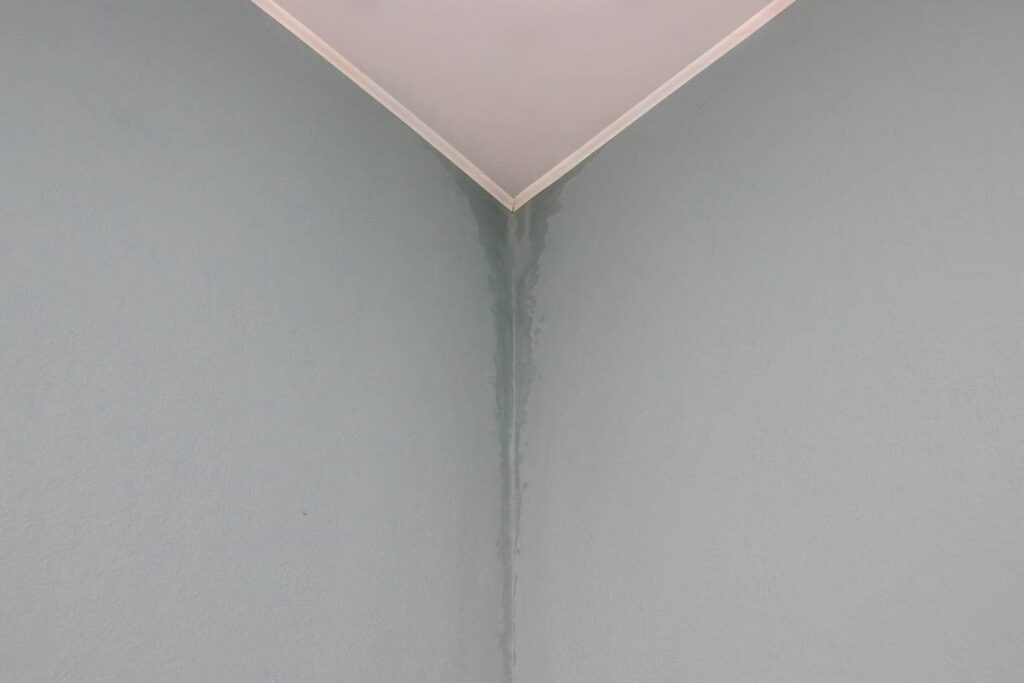
Next, grab a damage assessment checklist to systematically evaluate affected areas. Look for signs like discoloration, mold growth, and warped materials. Don’t forget to inspect hidden spaces like behind appliances or under sinks, as damage can lurk unnoticed.
Document everything with photos or notes; this aids in repairs and helps with insurance claims. By taking these steps, you protect your home and foster a sense of security for you and your family.
Your proactive approach can make all the difference.
Gather Essential Water Damage Cleanup Supplies
Once you’ve assessed the water damage, it’s time to gather the right supplies for effective cleanup. Start with a reliable water extraction tool, like a wet/dry vacuum, to remove standing water efficiently.
Having moisture meters on hand is essential; they help you monitor damp areas and ensure you’re addressing hidden moisture. Don’t forget gloves and masks to protect yourself from contaminants.
Absorbent materials, such as towels and sponges, can assist in tackling smaller spills. Additionally, consider eco-friendly cleaning solutions to minimize environmental impact while sanitizing affected areas.
A good fan or dehumidifier will aid in drying, helping you prevent mold growth. With the right supplies, you’ll foster a sense of community and resilience in your home.
Effective Drying Techniques for Water Damage
To effectively mitigate water damage, utilizing the right drying techniques is essential in preventing mold growth and further deterioration.
Start by strategically positioning dehumidifiers in areas with the highest moisture levels. This ensures maximum effectiveness in moisture removal.
Next, focus on airflow management; use fans to circulate air, helping to evaporate water from surfaces faster. Open windows when conditions permit to enhance ventilation, but be cautious of outdoor humidity levels.
Regularly check the humidity levels in your home, aiming to keep them below 60%.
How to Prevent Mold Growth After Water Damage Cleanup?
Preventing mold growth after water damage cleanup requires immediate and thorough action, as even small amounts of moisture can lead to serious issues.
Start by ensuring your space is thoroughly dried; use fans and dehumidifiers to promote airflow and reduce humidity levels. Regularly inspect hidden areas, like behind walls or under carpets, where moisture might linger.
Mold prevention also involves maintaining proper humidity control—ideally between 30% and 60%. Seal any leaks in roofs, walls, or plumbing to prevent future water intrusion.
Finally, consider using mold-resistant paints and materials for added protection. By taking these proactive steps, you’ll foster a healthier environment for you and your family, ensuring that your home remains a safe haven.
When to Call Professionals for Water Damage?
How can you tell when it’s time to call in the professionals for water damage? If you notice persistent signs of saturation—like damp walls, peeling paint, or a musty smell—it’s essential to act swiftly.
A thorough water damage assessment is critical; if you can’t pinpoint the source or the extent, don’t hesitate to reach out for help. Additionally, if the affected area exceeds a small section, or if water has penetrated into wall cavities or flooring, professionals have the tools and expertise to address these challenges effectively.
Frequently Asked Questions
What Types of Water Damage Are Covered by Homeowners Insurance?
Homeowners insurance typically covers sudden water damage, like burst pipes, but doesn’t include flooding. For that, you’ll need flood insurance. Always check your coverage limits to ensure you’re adequately protected against potential losses.
How Can I Determine if My Belongings Are Salvageable?
Imagine sifting through a treasure chest; some items gleam while others are tarnished. For salvageability, assess damage using restoration methods—check for mold, structural integrity, and moisture levels to determine what’s worth saving.
What Are the Health Risks Associated With Water Damage?
Water damage can lead to mold growth, causing various health symptoms like respiratory issues, allergies, and skin irritations. It’s essential to address water damage promptly to minimize potential health risks for you and your loved ones.
How Long Does the Water Damage Cleanup Process Typically Take?
The cleanup timeline after water damage varies, but you can expect a thorough disaster response to take anywhere from a few days to weeks. Factors like severity, materials, and available resources all impact the duration.
Can I Use a Regular Vacuum for Water Cleanup?
No, you can’t use a regular vacuum for water cleanup. Instead, opt for specialized vacuum types designed for wet environments. These ensure efficient removal and prevent damage, aligning with effective cleanup techniques for sustainable results.
Review
Water damage can feel like a storm ravaging your home, but with the right approach, you can restore calm. By swiftly evaluating the situation, gathering necessary supplies, and employing effective drying techniques, you can reclaim your space. Remember, monitoring humidity is essential to prevent unwanted mold growth—think of it as nurturing the roots of your home’s safety. If the damage feels overwhelming, don’t hesitate to call in the professionals; they’re the lighthouse guiding you through the storm.