Flooding affects nearly 14 million Americans each year, making it essential to know how to respond effectively to minimize damage. After the initial shock, your first step should be to evaluate the water removal situation and ensure your safety. Understanding the right approach can significantly impact your recovery process. What you do next is critical, as it sets the tone for successful water removal and restoration.
Key Takeaways
- Assess the flooding extent and call emergency services if necessary for significant water removal assistance.
- Use a sump pump or wet/dry vacuum to extract water from affected areas.
- Wear protective gear to ensure safety while working in flooded environments.
- Dry and dehumidify areas quickly with fans and dehumidifiers to prevent mold growth.
- Document damage for insurance claims and consult professionals for extensive repairs.
Assess the Damage
After a flood, evaluating the damage is essential for understanding the extent of the impact on your property and belongings.
Start by documenting everything you can see—water marks, damaged furniture, and personal items. Take photographs or videos as evidence; this will be vital for your insurance claims.
Next, categorize the damage: structural, electrical, or contents. Each category requires different attention and resources.
Consider consulting a professional for a thorough damage evaluation—this can help you identify issues that may not be immediately visible.
Don’t forget about the emotional toll; it’s normal to feel overwhelmed. Reach out to neighbors or community support groups; you’re not alone in this.
Once you have a clear assessment, contact your insurance provider. They’ll guide you through the claims process, ensuring you get the support you need to recover and rebuild your sense of belonging.
Ensure Safety Precautions
Before you begin the cleanup process, it’s essential to ensure your safety and the safety of others. Start by evaluating the environment for potential hazards like unstable structures or hazardous materials. Make sure you’ve got your personal safety in mind—never rush into a situation that could put you at risk.
Wearing protective gear is vital. Equip yourself with gloves, boots, and masks to shield against contaminants and sharp debris. If you’re unsure about the safety of the water or the area, consult local authorities for guidance.
Involve family and friends in your efforts, as a supportive community can help make the process less intimidating. By ensuring everyone’s safety, you foster a sense of belonging, reinforcing the idea that you’re in this together.
Begin Water Extraction
Once you’ve ensured everyone’s safety, it’s time to tackle the water extraction process. This vital step can prevent further damage to your home and belongings.
Start by evaluating the extent of the flooding. If the water level is significant, don’t hesitate to call emergency services; they can provide specialized equipment and expertise.
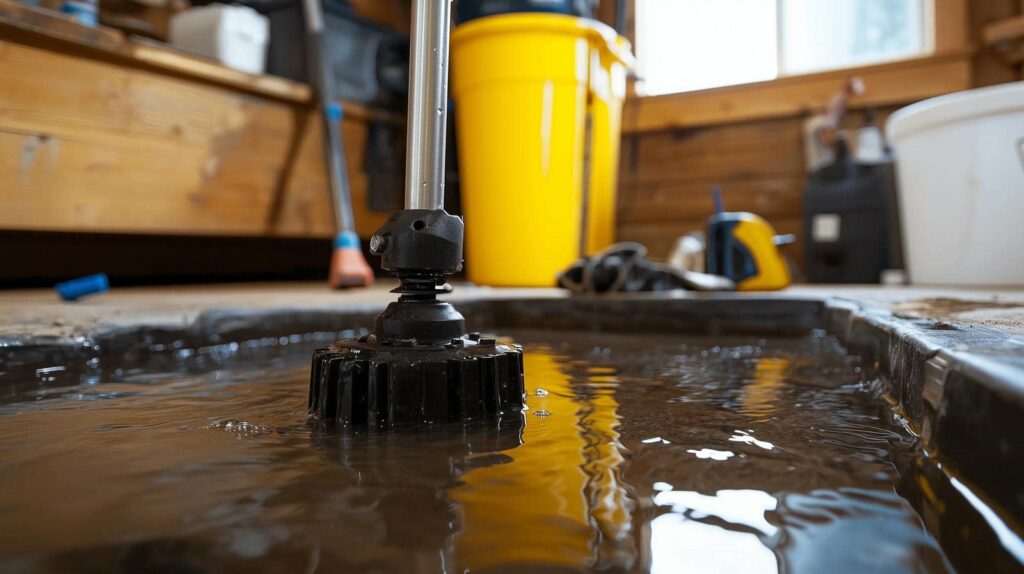
For smaller areas, you can use a sump pump or wet/dry vacuum to begin the extraction. Be cautious when wading through the water, as it may contain hazardous debris or contaminants. Wear protective gear like gloves and boots to shield yourself.
As you extract the water, work systematically—focus on one area at a time.
It’s important to stay connected with family and friends during this time; sharing your experiences can create a sense of belonging and support. Remember, you’re not alone in this process, and seeking help is always a wise choice.
Dry and Dehumidify Affected Areas
As you begin the drying and dehumidifying process, it’s crucial to act quickly to minimize damage and prevent mold growth.
Start by using drying equipment like fans and dehumidifiers, which can appreciably reduce moisture levels in your home. Identify the most affected areas, focusing on carpets, walls, and furniture.
Implement dehumidification techniques, such as opening windows and doors to increase air circulation, but be cautious of the outdoor humidity levels.
If the air outside is damp, keep windows closed and rely on your dehumidifiers. Regularly check humidity levels with a hygrometer to verify they do not drop below 60%.
Repair and Restore Affected Structures
After you’ve successfully dried and dehumidified your home, the next step is to repair and restore the affected structures.
Start by evaluating the damage—check walls, flooring, and any structural elements. For minor repairs, you can use effective repair techniques like patching drywall or replacing damaged floorboards. Make sure you choose restoration materials that match your home’s original aesthetics, fostering a sense of belonging as you rebuild.
If you encounter extensive damage, consider consulting professionals who can guide you through more complex repairs. They’ll help you select the right materials and make certain the work meets safety standards.
Frequently Asked Questions
How Can I Prevent Mold Growth After Flooding?
To prevent mold growth, focus on humidity control by using dehumidifiers and ensuring proper ventilation. Dry surfaces quickly, and regularly check for leaks. Staying proactive helps create a safe, healthy environment for you and your loved ones.
What Should I Do With Contaminated Items?
You should carefully assess contaminated items, separating those that can’t be cleaned. For disposal, consider local guidelines and environmentally safe methods. Remember, it’s tough to let go, but prioritizing safety is essential for recovery.
How Long Does It Take for a Home to Dry Completely?
It typically takes 3 to 7 days for a home to dry completely, depending on drying equipment and moisture measurement. You’ll want to monitor progress closely to ensure everything’s safe and dry for your comfort.
Are There Specific Insurance Claims I Should File?
When dealing with devastating damage, you should file a flood insurance claim promptly. Understanding the claim process is essential; documenting losses and staying organized can greatly simplify your experience, making recovery feel more manageable and less lonely.
When Should I Contact a Professional Restoration Service?
You should contact a professional restoration service immediately after flooding. They’ll provide emergency response and conduct a thorough damage assessment, ensuring you receive the support you need during this challenging time. You’re not alone in this.
Summary
After a flood, taking swift action is essential to minimize damage and restore your space. Many homeowners experience significant water damage due to flooding. By evaluating the damage, ensuring safety, and following a structured approach to water extraction, drying, and restoration, you can protect your home and health. Remember, it’s not just about recovery; it’s about creating a safe environment for you and your loved ones to thrive once again.