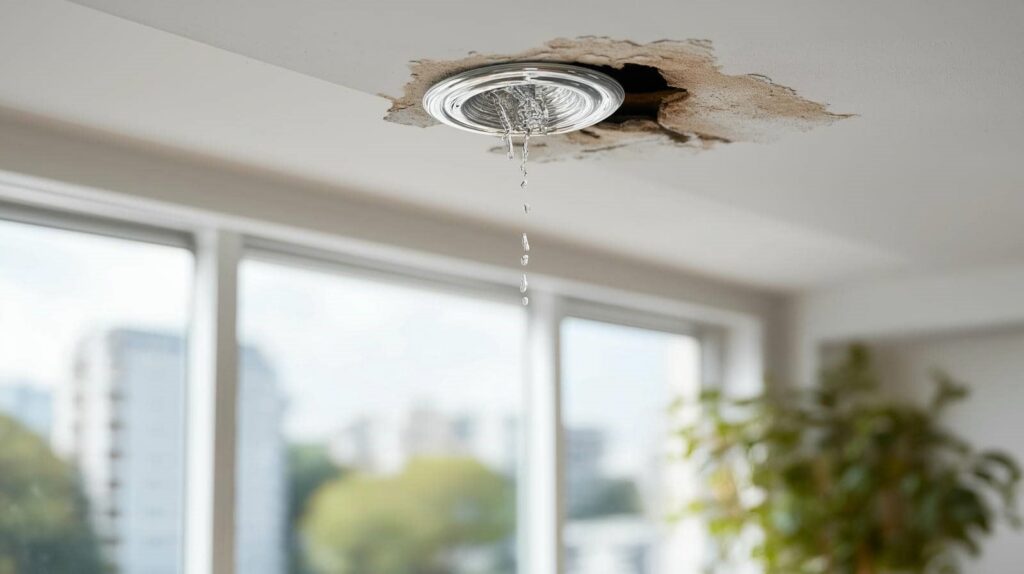
Like a silent thief in the night, water damage in ceilings can compromise your home’s integrity without warning. Recognizing early signs, such as stains or sagging, is essential for identifying leaks before they worsen. Ignoring these issues can lead to costly repairs and health risks. So, how do you effectively assess the damage and tackle the root causes? Understanding these factors is crucial for preserving both safety and value in your property.
Key Takeaways
- Early assessment of water damage prevents extensive structural issues and costly repairs down the line.
- Identifying the source of leaks helps mitigate further moisture intrusion and associated risks.
- Regular evaluations ensure timely detection of mold growth, safeguarding health and safety.
- Accurate assessments facilitate effective restoration planning and appropriate repair techniques.
- Documenting damage aids in insurance claims, ensuring financial protection against unexpected costs.
What Are the Signs of Water Damage in Ceilings?
Water damage in ceilings can manifest through several clear signs that you should be vigilant about. Look for ceiling stains, often appearing as dark water spots, indicating moisture intrusion.
You might notice peeling paint or bulging drywall, both of which compromise the structural integrity of your ceiling. Additionally, keep an eye out for discoloration patterns that can signal ongoing leaks.
Mold growth is another serious concern; if you detect musty odors, it’s a strong indication that moisture is present.
Addressing these issues promptly is essential to maintain a safe and healthy environment. By recognizing these signs early, you can prevent further damage and guarantee your home remains a place of comfort and security.
How to Identify the Source of Water Damage
Once you’ve spotted signs of water damage in your ceiling, the next step is pinpointing the source.
Begin by inspecting your roof for any visible leaks or damaged shingles. Check plumbing fixtures and pipes, as they’re common water sources.
Look for discoloration or moisture around vents and appliances, which could indicate internal leaks. Utilize leak detection tools, such as moisture meters, to assess hidden areas.
Don’t overlook the possibility of condensation issues, especially in poorly ventilated spaces.
Impact of Water Damage on Structure
While you might notice water stains on your ceiling, the structural impact of prolonged exposure to moisture can be far more severe.
Over time, water damage can compromise the structural integrity of your home. Ceiling materials, such as drywall and plaster, can weaken, leading to sagging or even collapse.
Mold growth may also occur, further degrading the materials and creating health risks. When the framing behind the ceiling absorbs moisture, it can rot, compromising the entire structure.
Regular assessment is essential to catch these issues early, ensuring you maintain a safe and sturdy living environment.
Why Ignoring Water Damage Can Be Costly
Ignoring signs of water damage can lead to escalating repair costs and severe structural issues. When you overlook these warning signs, you risk the integrity of your home, resulting in significant financial repercussions.
Mold growth, weakened beams, and damaged insulation can emerge, all of which are costly to rectify. Additionally, insurance implications may arise; your provider might deny claims if you fail to report water damage promptly. This not only affects your financial stability but also impacts your peace of mind.
Being proactive about water damage assessment guarantees you’re safeguarding your investment and maintaining a safe environment. Addressing these concerns early can save you from costly repairs and stress in the long run.
Don’t wait act before it’s too late.
How to Address Water Damage in Ceilings Immediately
Act quickly when you spot water damage in your ceiling to prevent further issues. Your immediate actions can greatly minimize damage and costs.
Start by identifying the source of the leak. If it’s from plumbing, shut off the water supply to stop further intrusion.
Next, employ an emergency response plan; this might include using buckets to collect dripping water and towels to absorb moisture.
Inspect for structural integrity; if you notice sagging or cracks, consider evacuating the area and contacting a professional.
Remember, addressing the issue promptly not only protects your home but also fosters a sense of community responsibility.
Don’t hesitate swift action today can save you from extensive repairs tomorrow.
Tools for Assessing Water Damage
To effectively assess water damage in ceilings, you need reliable tools and techniques.
Start with visual inspection methods to identify obvious signs, then use moisture detection tools for deeper analysis.
Finally, consider the benefits of infrared imaging to pinpoint hidden moisture issues that mightn’t be visible to the naked eye.
Visual Inspection Techniques
When evaluating water damage in ceilings, utilizing effective visual inspection techniques is essential for identifying issues early.
Start by looking for visual indicators such as discoloration, stains, or bubbling paint, which often signal underlying water problems. Inspect the ceiling for sagging or warping, as these can indicate significant moisture accumulation.
Use systematic inspection methods, moving from one area to another, and document your findings for reference. Pay close attention to joints and seams, where water is likely to infiltrate.
Additionally, check for mold growth, as it can develop rapidly in damp environments.
Moisture Detection Tools
While visual inspections are essential, employing moisture detection tools can greatly enhance your assessment of water damage in ceilings.
Moisture meters are among the most reliable devices for pinpointing hidden moisture, allowing you to obtain precise readings of moisture content in building materials. These tools come in various types, including pin and pinless meters, each suited for specific detection methods.
Pin meters excel in direct contact with materials, while pinless meters use electromagnetic waves to assess moisture levels without causing damage.
Infrared Imaging Benefits
Infrared imaging offers significant advantages in evaluating water damage in ceilings, as it allows for the detection of moisture hidden behind surfaces without the need for invasive methods.
Utilizing infrared technology, you can quickly identify temperature variations that indicate moisture presence, making it an efficient tool for assessments.
Thermal imaging captures detailed images that reveal water intrusion areas, helping you pinpoint issues before they escalate into major repairs.
This non-destructive approach not only saves time but also reduces the risk of additional damage.
Role of Humidity in Water Damage Assessment
Humidity plays an essential role in evaluating water damage in ceilings, as it directly influences the extent of moisture absorption and material degradation.
When examining water damage, monitoring humidity levels is vital; high humidity can exacerbate existing issues, leading to mold growth and structural weakening.
Effective humidity control not only aids in identifying the severity of damage but also helps in preventing further deterioration.
You should measure moisture levels in both the air and building materials to get a thorough view of the situation.
Should You Call a Pro for Water Damage?
Evaluating water damage in ceilings often leads to the question of whether to call a professional. If you notice extensive damage or suspect mold growth, it’s wise to seek a professional evaluation.
Water repair can be complex, requiring specialized tools and knowledge that DIY methods may lack. Professionals can accurately assess the extent of the damage, ensuring you address hidden issues that might compromise structural integrity.
They also understand local regulations and safety protocols, which can be essential in managing water damage effectively. While you might be tempted to handle minor repairs yourself, enlisting a pro can save you time and prevent further damage, ultimately providing peace of mind.
When in doubt, it’s best to call in the experts.
Steps to Fix Water Damage in Ceilings
To fix water damage in ceilings, you need to start by identifying the source of the leak.
Once you’ve pinpointed the issue, assess the extent of the damage thoroughly to determine the necessary repairs.
Finally, proceed with the repair and restoration to guarantee a durable solution.
Identify The Source First
Before addressing water damage in ceilings, it’s important to pinpoint the source of the leak. Start by inspecting potential water sources, such as plumbing lines, roofs, and windows.
Conduct thorough leak detection; look for discoloration, sagging, or mold, which can indicate where the water is entering. Don’t overlook hidden areas, like attic spaces and behind walls, as these can harbor significant issues.
Utilize tools like moisture meters to confirm the presence of water and identify its origin. Once you’ve located the source, you can take appropriate steps to mitigate further damage.
Assess Damage Extent Thoroughly
Once you’ve identified the source of the leak, it’s vital to assess the extent of the water damage in your ceiling.
Start your damage assessment by inspecting the affected area for discoloration, sagging, or peeling paint. Check the surrounding ceiling materials, as different types may react differently to moisture.
For instance, drywall may need replacing, while plaster could be salvageable with proper treatment. Use a moisture meter to pinpoint dampness levels, ensuring you address all hidden areas.
Be thorough; even minor damage can lead to mold growth if left untreated. Document your findings to track repairs and share with professionals if needed.
Understanding the damage’s extent is important for effective restoration and preventing future issues.
Repair And Restore Properly
Having assessed the extent of water damage, it’s time to focus on repairing and restoring your ceiling effectively. Start by selecting appropriate repair techniques based on the damage severity. For minor issues, patching with joint compound may suffice, while significant damage might require replacing entire panels.
Make certain you dry out any moisture to prevent mold growth before proceeding.
Next, explore restoration options like repainting or installing new ceiling tiles to match your home’s aesthetic.
Don’t forget to check for underlying plumbing or roofing issues to prevent future damage.
How to Prevent Future Water Damage in Ceilings?
To effectively prevent future water damage in ceilings, you must regularly inspect your roof and plumbing systems.
Start with preventive maintenance by scheduling regular inspections to identify potential issues early. Sealing gaps around pipes and vents can greatly reduce moisture intrusion.
Make certain proper drainage on your roof to avoid water pooling, which can lead to leaks. Consider insulation upgrades to maintain temperature balance and prevent condensation.
Installing moisture barriers can further protect your ceilings from dampness. Don’t overlook plumbing checks and appliance monitoring; leaks can occur unnoticed.
Finally, improve ventilation in attics and bathrooms to reduce humidity levels. By implementing these strategies, you’ll foster a safer, drier environment for your home.
Frequently Asked Questions
Can Water Damage Cause Mold Growth in Ceilings?
Yes, water damage can cause mold growth in ceilings. Implement mold prevention strategies and follow ceiling maintenance tips to reduce moisture and protect your home. Regular inspections help guarantee a safe, healthy living environment for you and your family.
How Long Can Water Damage Go Unnoticed?
Water damage can go unnoticed for weeks or even months, hiding behind ceilings. You need to look for hidden signs and conduct a damage assessment regularly to prevent costly repairs and maintain your home’s safety.
What Are the Health Risks of Ceiling Water Damage?
Ceiling water damage can lead to mold exposure, triggering health symptoms like respiratory issues, allergies, and skin irritation. Addressing these problems promptly protects your well-being and that of those around you, ensuring a safer environment.
Will Insurance Cover Ceiling Water Damage Repairs?
Yes, most insurance policies cover ceiling water damage, but check your coverage limits. You’ll want to review your policy carefully, as exclusions might leave you vulnerable when the unexpected happens. Stay informed and prepared.
How Often Should Ceilings Be Inspected for Water Damage?
You should inspect your ceilings for water damage at least twice a year as part of regular ceiling maintenance. This inspection frequency helps catch potential issues early, ensuring your home remains safe and structurally sound.
Summary
Evaluating water damage in ceilings isn’t just a precaution; it’s your shield against escalating costs and health risks. Like a sentinel guarding your home, early detection allows you to tackle issues before they fester, ensuring your space remains safe and sound. Remember, a stitch in time saves nine take action now, and you’ll preserve your property’s integrity while protecting your investment for the future. Don’t wait for the storm to pass; act before the clouds gather.