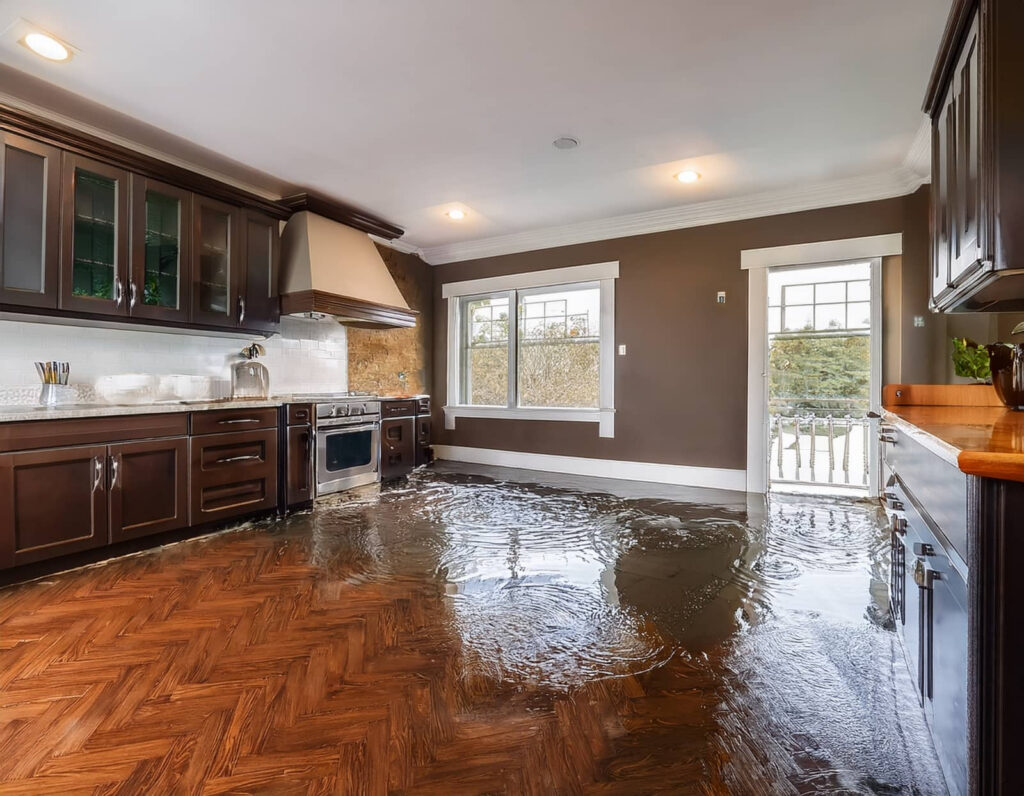
After water damage, you need to dry your home fast because moisture doesn’t stay where you can see it. It spreads into walls, floors, and framing, then creates the conditions for mold, rot, and costly structural damage. Even when surfaces look dry, hidden water can keep causing problems for days. Knowing how to stop that damage early can save you time, money, and a much bigger repair later.
Key Takeaways
- Fast drying limits moisture spread into drywall, wood, and flooring, reducing structural damage and repair costs.
- Removing leftover moisture helps prevent mold growth, odors, decay, and weakened materials within 24 to 48 hours.
- Thorough drying protects hidden areas like underlayment, subfloors, and wall cavities where water can remain trapped.
- Using fans and dehumidifiers speeds evaporation, lowers humidity, and restores a safer, more comfortable indoor environment.
- Professional drying equipment detects and removes deep moisture, helping prevent hidden damage and long-term problems.
Why Fast Drying Matters After Water Damage
When water enters your home, every hour counts because moisture quickly spreads into porous materials like drywall, wood, insulation, and flooring. Fast action helps you protect your home’s structure and reduce the chance of lingering humidity, corrosion, and odor.
By starting moisture control right away, you give drying techniques a better chance to work efficiently and restore healthy indoor conditions. You don’t have to handle it alone; a coordinated response helps you feel supported and keeps the process on track.
Professional drying also limits the time materials stay wet, which lowers repair costs and helps prevent long-term complications. The sooner you dry affected areas, the sooner your space can return to normal, safe, and comfortable for everyone in your household.
How Moisture Spreads Through Walls and Floors
Moisture doesn’t stay where the water first entered, because walls can draw it upward through capillary action and hidden cavities.
Your floors can also absorb water into underlayment, subflooring, and other layers, allowing damage to spread beyond the visible area.
That’s why you need to dry all affected materials thoroughly, not just the surface.
Wall Capillary Action
Water doesn’t stay where the leak starts; it can wick upward and outward through porous drywall, plaster, concrete, and subflooring by capillary action.
You may see stain lines or feel cool, damp walls before visible damage appears. This capillary movement pulls moisture into tiny pores and seams, so wall saturation can spread beyond the obvious wet area.
If you act quickly, you can limit structural weakening, paint failure, and mold-friendly conditions. You’re not dealing with this alone—prompt drying and moisture mapping help your home recover with confidence.
Professional equipment targets hidden damp zones, while airflow and dehumidification reduce trapped moisture. The sooner you interrupt this process, the better you protect the materials that hold your space together.
Floor Layer Absorption
Once water reaches the floor system, it can move laterally through carpet pad, underlayment, subfloor seams, and even into adjacent wall bases, spreading damage far beyond the original leak.
You need to understand that different floor material types respond differently, and their absorption rates determine how fast moisture travels and how deeply it settles. Porous wood products wick water quickly, while tile assemblies may hide trapped moisture below the surface.
Because the wet zone often extends past what you can see, you should inspect thresholds, joints, and connections carefully.
When you dry these layers promptly, you protect structural strength, reduce odor, and help your home feel safe again.
Working with trained restoration professionals can give you confidence that every hidden pocket of moisture gets addressed.
How Leftover Moisture Leads to Mold and Rot
Even after visible water disappears, damp materials can keep feeding hidden damage inside your home. You may think the space feels dry, but leftover moisture in drywall, wood, and insulation can trigger mold growth within 24 to 48 hours.
That’s why moisture detection matters: it helps you find trapped water before it spreads. As mold colonies expand, they can stain surfaces, weaken materials, and affect air quality throughout your rooms.
Persistent dampness also speeds up wood decay, so rot prevention depends on removing every wet layer, not just the obvious puddles.
When you address hidden moisture early, you protect your home’s structure, reduce health concerns, and help your household feel safer and more comfortable together.
How to Dry Your Home Fast
To dry your home fast, you should first stop the water source and shut off the affected supply if needed.
Then open windows, run fans, and use dehumidifiers to boost airflow and pull moisture out of the air and materials.
These steps help you reduce drying time and limit further damage.
Stop Water Sources
Before you start drying, stop the water at its source so the damage doesn’t continue. You can protect your home and your household by locating active water sources quickly. Use leak detection checks on visible pipes, shutoff valves, supply lines, and appliances to confirm where moisture is entering.
If you belong to a community that values readiness, you know fast action helps everyone recover sooner.
- Shut off the main water valve if the source isn’t obvious.
- Inspect fixtures, ceilings, and walls for dripping, spraying, or pooling.
- Call a licensed plumber when you can’t isolate the leak safely.
Once you’ve stopped the flow, document the affected areas and keep the space secured. Acting now limits structural damage, supports cleanup, and gives you a clearer path to restoration.
Boost Airflow Fast
Open every safe airflow path you can so moisture starts leaving the space right away. You should open windows and interior doors, then place fans to push air across wet floors, walls, and furniture.
Keep airflow moving through the driest route possible, and avoid creating dead zones where damp air lingers. If you can, use box fans to exhaust air outward while another fan pulls fresh air in. This air circulation speeds evaporation and supports better moisture management.
Lift rugs, move small items, and separate furniture from walls so hidden surfaces dry faster. You’re not doing this alone; these steps help your home recover with less risk of secondary damage.
Check humidity often, and keep the setup running until materials feel dry and stable.
How Structural Drying Protects Your Walls and Framing
Structural drying removes moisture trapped inside wall cavities and framing members, helping prevent warping, swelling, and hidden decay. You protect your home’s structural integrity when technicians dry materials to safe levels and verify that moisture barriers still function as intended.
You limit stress on studs, drywall, and sheathing.
You help insulation dry evenly, reducing cold spots.
You support a cleaner, more stable indoor environment for everyone in your home.
With targeted airflow, dehumidification, and moisture checks, you keep framing members strong and walls aligned.
That means your repair team can restore your space with confidence, and you can feel like you’re back in a well cared for home.
Why Hidden Water Damage Costs More to Fix
Even when walls and framing look dry on the surface, moisture can stay hidden behind paint, baseboards, insulation, and subflooring, where it keeps causing damage out of sight.
You may think the problem’s over, but trapped water can weaken materials, promote mold growth, and create hidden costs that show up later in larger repairs.
The longer you wait, the more repair complexities you’ll face, because affected areas often spread beyond the visible stain.
You also risk damaging finishes, flooring, and nearby rooms when you open walls too late.
When you act quickly, you protect your home’s structure and keep your restoration plan simpler, safer, and more predictable.
You’re not alone in this—many homeowners miss what’s below the surface.
Why Pro Drying Equipment Works Better
Professional drying equipment works better because it moves far more air, controls humidity more precisely, and reaches moisture deep inside walls, floors, and cavities where household fans cannot.
With pro equipment, you get drying technology built for restoration techniques that protect your space and help you feel confident you’re in good hands.
Air movers create steady, targeted airflow that speeds surface evaporation.
Dehumidifiers pull excess moisture from the air, improving efficiency benefits in enclosed rooms.
Moisture meters let professionals verify hidden dampness, so no wet pocket gets missed.
You’re not guessing; you’re following a proven process guided by professional expertise.
That means your home gets the right balance of airflow, humidity control, and monitoring, which helps you move forward with your household with less uncertainty and more peace of mind.
How Long Home Drying Usually Takes?
Drying time depends on how much water entered your home, what materials were affected, and how quickly drying begins.
In many cases, your drying duration runs from two to five days for clean, minor moisture in open areas. More porous materials, deeper saturation, or hidden cavities can extend that window.
Environmental factors also matter: warm air, low humidity, and steady airflow help you dry faster, while cool, damp conditions slow progress.
You can expect walls, floors, and contents to dry at different rates, so your home may feel dry before materials truly are.
When to Call a Water Damage Restoration Pro
If water has soaked into walls, flooring, insulation, or hidden spaces, call a water damage restoration pro right away. You need expert help when moisture lingers beyond 24 to 48 hours, when odors return, or when materials feel soft, warped, or cool.
Professionals use meters, thermal imaging, and drying systems to stop damage before mold spreads.
Hidden moisture: Water behind drywall or under floors needs targeted extraction.
Safety concerns: Electrical issues, sewage, or contaminated water require trained response.
Large losses: After major water damage, restoration services can stabilize your home faster
When you act quickly, you protect your space and your peace of mind. You’re not dealing with this alone; skilled restoration services are ready to help your home recover.
Frequently Asked Questions
Can I Dry Water-Damaged Furniture Myself?
Yes, you can dry water-damaged furniture yourself if you act quickly. Use proper drying techniques, remove cushions, and improve airflow. For severe damage, you’ll need furniture restoration help to avoid mold, warping, and lasting odors.
Should I Turn off Electricity After Flooding?
Yes—you should turn off electricity after flooding, even if lights still work. You’ll reduce electrical hazards and protect everyone. Follow safety precautions, then call a licensed electrician before re-energizing circuits or appliances.
What Insurance Covers Water Damage Drying Costs?
You’re usually covered by homeowners insurance policies if sudden water damage comes from a burst pipe or appliance; flood damage needs separate flood insurance. Check your deductible, exclusions, and drying invoices before you start.
Can Wet Insulation Be Saved After Leaks?
Yes, you can sometimes save wet insulation if you act quickly and use proper drying techniques. You’ll need to remove the source, dry surrounding materials, and replace soaked insulation that’s compressed, contaminated, or moldy.
How Do I Document Water Damage for Claims?
You should photograph every affected area, list damaged items, keep receipts, and note dates. Your damage assessment helps the claim process. Like a careful scribe in a forgotten guild, you’ll build a strong, reassuring record.
Summary
So yes, you should dry your home after water damage—unless you enjoy turning drywall into a science experiment and framing into a future repair bill. The faster you remove moisture, the better you protect your walls, floors, and air quality. Quick, professional drying helps stop mold, rot, and hidden damage before they get comfortable. Act fast, use the right equipment, and you’ll save time, money, and a lot of unnecessary headaches.