
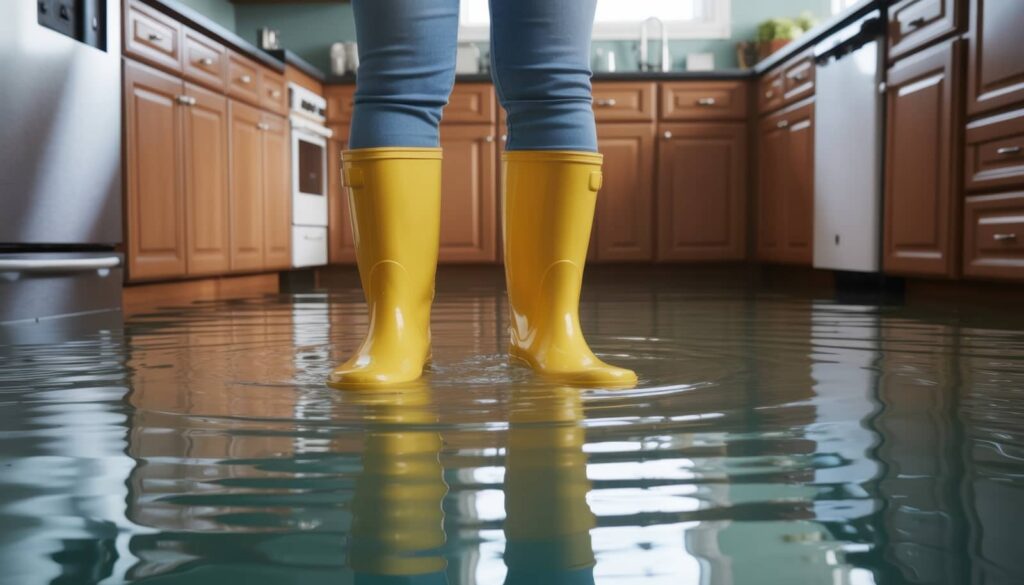
Some small businesses never reopen after major water damage, and your home can face similar long-term losses if you wait. You need flooded home water damage cleanup fast because standing water drives mold growth, weakens framing and subfloors, and lowers indoor air quality. It also helps you document losses, protect salvageable belongings, and decide when a restoration pro should step in before hidden damage spreads.
Key Takeaways
- Cleanup quickly limits structural damage to floors, drywall, insulation, and framing.
- Fast drying helps prevent mold growth and protects indoor air quality.
- Removing standing water reduces electrical, slip, and hidden moisture hazards.
- Early cleanup preserves evidence for insurance claims and supports safer occupancy decisions.
- Professional assessment is important when damage, odors, or sagging indicate deeper structural problems.
What to Do First After a Flood
First, make sure the area is safe before you step back inside: shut off the power if you can do so without entering standing water, avoid any contact with wet electrical systems, and check for gas leaks or structural damage.
Next, document visible damage with photos and short notes; you’ll need this for flood insurance claims.
Then contact your emergency contacts, including your insurer, utility providers, and a trusted contractor, so you can coordinate support quickly.
Wear protective boots, gloves, and a mask before you enter any damp space. Remove valuables only if conditions are stable, and keep children and pets away.
Open windows if weather allows to improve ventilation. Stay calm and methodical; you’re not handling this alone, and your next steps set the tone for a safe, organized recovery.
Why Flood Cleanup Matters
Flood cleanup matters because water damage can escalate quickly, turning a manageable incident into a serious structural, electrical, and indoor air quality problem.
You need fast, methodical cleanup to remove standing water, document conditions, and protect your home’s systems from hidden deterioration. When you act promptly, you reduce the chance of prolonged saturation in flooring, drywall, and insulation, and you support safer occupancy decisions for everyone in your household.
Cleanup also helps you coordinate with your insurer, preserve evidence for insurance coverage, and verify what repairs may qualify.
If you’re committed to flood prevention, this step matters because it reveals vulnerabilities that caused the intrusion. You’re not just restoring a house; you’re helping your home recover with your community.
How to Stop Mold and Structural Damage
Once the standing water is removed, you need to slow mold growth and prevent structural deterioration by drying the home quickly and controlling moisture at the source.
You should run dehumidifiers, position air movers for cross-ventilation, and keep indoor humidity low so spores can’t establish colonies.
Inspect hidden cavities, trim saturated drywall edges, and monitor framing for warping or softening.
Seal active leaks, improve drainage, and maintain steady airflow to protect structural integrity.
If materials stay damp, microbial growth can spread behind finishes and weaken supports before you notice visible damage.
For effective mold prevention, document moisture readings, track drying progress, and keep affected rooms isolated until conditions return to normal.
Acting fast helps you restore a safe, stable home that your household can trust.
What to Dry and Remove First
Start with safety by shutting off power to affected areas, wearing protective gear, and checking for hidden hazards before you touch any wet materials.
Then remove saturated porous items like carpet, padding, drywall, insulation, and damaged contents that can’t be effectively dried.
After that, dry structural surfaces such as framing, subfloors, and concrete as quickly and uniformly as possible to limit moisture migration and microbial growth.
Safety First
Before you move anything, prioritize electrical and structural safety by shutting off power to affected circuits, checking for visible hazards, and wearing protective gear.
You should treat every flooded room as unstable until you verify personal safety with careful hazard awareness. If you smell gas, hear popping, or see sagging ceilings, leave the area and call qualified help before continuing.
Use a flashlight, not open flames, to inspect standing water, damaged outlets, and warped floors. Keep children and pets out of the space, and stay off surfaces that may conceal weak joists or sharp debris.
When you and your crew stay alert and coordinated, you reduce exposure, protect the structure, and create a safer path for the cleanup that follows.
Remove Wet Materials
With the area made safe, you can sort wet materials by how quickly they’ll lose structural integrity and spread contamination. Remove saturated carpet, carpet padding, paper goods, and fabric items first, because they trap water and mold spores fast.
Bag loose debris before you move it, and use removal techniques that limit agitation so you don’t aerosolize contaminants. If insulation, ceiling tiles, or pressed wood are swollen, warped, or delaminating, take them out promptly; they rarely recover.
You should also separate salvageable items from nonrecoverable wet materials to streamline cleanup and protect your crew. Work methodically, label contents, and keep pathways clear so everyone on site can stay coordinated.
When you act quickly and stay organized, you help your space recover with less secondary damage.
Dry Structural Surfaces
Dry the structural materials that can hold moisture and lose strength first, including subflooring, framing lumber, drywall, plaster, and concrete slabs with standing water or visible saturation.
You should prioritize these surfaces because trapped water weakens structural integrity and can spread damage behind finishes.
Start with containment, then use targeted drying techniques such as high-velocity air movement, dehumidification, and temperature control to pull moisture from dense materials.
You’ll want to expose hidden cavities by removing baseboards or drilling access points where needed.
Check moisture readings often, and keep drying until levels match unaffected areas.
If materials stay swollen, crumbling, or remain damp after drying, remove them promptly.
Acting fast helps you protect the home, support recovery, and keep your space safe and stable.
How to Save Belongings From Permanent Loss
Act quickly to separate salvageable items from those that are already unsafe, because time, moisture, and contamination determine whether belongings can be restored or lost permanently.
You should move dry documents, photos, and textiles to a clean, ventilated space, then label and inventory each item for belonging preservation.
Rinse hard surfaces with clean water only if floodwater was clean, and wipe them dry immediately.
For sentimental items, wrap each piece in unprinted paper or breathable cloth, not plastic, so trapped moisture doesn’t accelerate decay.
Freeze paper records and photographs if you can’t dry them within 24 hours.
Discard any porous item that smells of sewage, shows mold, or stays saturated.
Your careful sorting now protects what matters most and reduces irreversible loss.
When to Call a Water Damage Restoration Pro
If you see visible structural damage, such as warped framing, sagging drywall, or separated flooring, you should call a water damage restoration pro right away.
Any standing water also increases the risk of hidden moisture migration, electrical hazards, and material deterioration, so fast extraction and drying matter.
If you notice mold growth signs, including musty odors, staining, or discoloration, you’ll need professional remediation to prevent further contamination.
Visible Structural Damage
Buckled floors, bowed walls, and sagging ceilings signal more than surface-level flooding; they often indicate moisture intrusion that has compromised framing, subflooring, or drywall.
You need to treat these visible defects as warnings that your home’s structural integrity may already be at risk. Use inspection techniques like checking for cracked trim, separated seams, soft wallboard, and doors that suddenly stick or won’t latch.
These signs help you identify load-bearing stress before damage spreads. If you notice deformation, don’t assume cosmetic repairs will fix it; you’re likely dealing with hidden deterioration that needs professional assessment.
A water damage restoration pro can evaluate the affected areas, document conditions, and guide you toward safe, code-conscious remediation that protects your home and gives you confidence moving forward.
Standing Water Risks
Standing water creates immediate hazards that go beyond soaked finishes, because it can saturate subfloors, wick into wall cavities, destabilize insulation, and accelerate microbial growth within hours.
You’re facing standing water hazards that can also weaken adhesives, corrode fasteners, and create slip and electrical dangers. If water isn’t removed quickly, it migrates through seams and penetrations, making cleanup more complex and costly.
That’s why you should call a water damage restoration pro when water covers a room, keeps returning after pumping, or sits longer than a few hours.
Professionals use extraction, moisture mapping, and controlled drying to reduce stagnant water risks and protect your home’s structure. Acting fast helps you stay ahead of hidden damage and keep your space safer, drier, and more stable.
Mold Growth Signs
Once moisture lingers in walls, flooring, or insulation, mold can begin developing quickly, especially in concealed areas you can’t easily inspect.
You may notice a musty odor, dark spotting on drywall, peeling paint, warped baseboards, or recurring condensation after cleanup. If you see these signs, act fast; mold spreads through porous materials and can compromise indoor air quality.
You also need to watch for increased allergy symptoms, coughing, or irritation, because these health risks often worsen in damp rooms.
For effective mold prevention, dry all materials within 24 to 48 hours, remove contaminated items, and verify hidden cavities with moisture meters.
When staining returns or humidity stays elevated, call a water damage restoration pro. They’ll contain the problem, sanitize affected areas, and protect your home and family.
How to Prevent Future Water Damage
To reduce the risk of another flood-related loss, you should identify and correct the most likely entry points for water before they fail again.
Inspect grading, gutters, downspouts, foundation cracks, sump pumps, and utility penetrations, then seal defects with compatible materials.
Apply proven waterproofing techniques to basement walls and slab joints, and install drainage solutions that move runoff away from your home.
Keep downspouts extended at least six feet, maintain clean gutters, and test backflow valves before storm season.
You should also service pumps, replace worn hose bibs, and monitor humidity after heavy rain.
When you stay proactive, you protect your property, support your household’s safety, and help your cleanup efforts stay a one-time event, not a recurring recovery cycle.
Frequently Asked Questions
How Long Does Floodwater Contamination Usually Remain Hazardous Indoors?
Floodwater contamination can stay hazardous indoors for days to weeks, sometimes longer, depending on floodwater duration, materials, and drying. You’ll face contamination effects from microbes, chemicals, and mold until you fully clean, disinfect, and dry everything.
Can Flood Damage Affect My Insurance Claim if Cleanup Is Delayed?
Yes, delayed cleanup can hurt your insurance coverage and slow the claim process. You’ll need prompt documentation, mitigation, and repair records to show you acted responsibly, reducing denial risk and supporting reimbursement.
What Hidden Electrical Risks Can Remain After Visible Water Is Gone?
You can still face hidden hazards: soaked outlets, corroded breakers, damaged wiring insulation, and energized metal can shock you later. Prioritize electrical safety, because moisture trapped behind walls doesn’t always dry where you’d expect.
Are There Health Concerns From Cleaning Floodwater Without Proper Protection?
Yes—if you clean floodwater without protective gear, you’re exposed to health risks from bacteria, mold, chemicals, and sewage. You should wear gloves, boots, and respiratory protection, then disinfect surfaces carefully and wash thoroughly.
How Do Sewage Backups Change the Cleanup Process?
Sewage backups force you to treat every surface as hazardous; water-damage jobs involves sewage contamination. You’ll need stricter cleanup procedures, PPE, disinfection, and often porous-material removal to protect your team.
Recap
You need flooded home water damage cleanup fast, because every hour of standing water acts like a silent hammer on your walls, floors, and air quality. By drying, removing, and documenting damage quickly, you reduce mold growth, structural decay, and costly losses. If the water spread is extensive, call a restoration pro right away. When you act decisively, you don’t just clean up—you protect your home’s future and your family’s safety.