Most people underestimate how quickly mold can begin to grow after water damage—often within just 24 to 48 hours. If moisture isn’t addressed promptly, you could face serious health risks and structural damage to your home. Understanding the importance of mold remediation is essential for maintaining a safe environment. What steps should you take to effectively manage this hidden threat?
Key Takeaways
- Mold can begin to grow within 24 to 48 hours after water damage, making timely remediation essential to prevent infestations.
- Effective remediation controls moisture levels, reducing the risk of mold proliferation in affected areas.
- Mold exposure poses health risks, including respiratory issues and allergies, necessitating prompt action for safety.
- Visible mold growth can lead to extensive damage to structures and materials, increasing repair costs if not addressed quickly.
- Regular monitoring and proper remediation help maintain a safe environment, preventing future mold-related problems.
What You Need to Know About Mold Risks After Water Damage
After experiencing water damage, you should be aware that mold growth can begin within 24 to 48 hours. To mitigate these risks, implementing effective mold prevention strategies is crucial.
Start by addressing moisture control measures; promptly dry out affected areas using fans and dehumidifiers. Confirm proper ventilation in your home to reduce humidity levels.
Additionally, seal any leaks in your plumbing and roof to prevent future water intrusion. Regularly inspect areas prone to moisture, like basements and bathrooms, for early signs of mold.
How Water Damage Creates a Breeding Ground for Mold
Water damage creates an ideal environment for mold to thrive due to the combination of excess moisture and organic materials.
When water infiltrates your home, it saturates surfaces like wood, drywall, and carpet, providing the perfect breeding ground for mold spores. These spores, often present in the air, find a hospitable environment where they can grow rapidly.
Without effective moisture control, even a small leak can lead to significant mold growth within 24 to 48 hours.
Controlling humidity levels and promptly addressing water damage is essential to preventing mold infestations.
Signs You Need Professional Mold Remediation Fast
If you notice visible mold growth or detect an unpleasant musty odor, it’s vital to act quickly.
These signs often indicate a developing mold problem that can escalate without prompt intervention.
Ignoring these symptoms can lead to more extensive damage and health risks, making professional mold remediation essential.
Visible Mold Growth
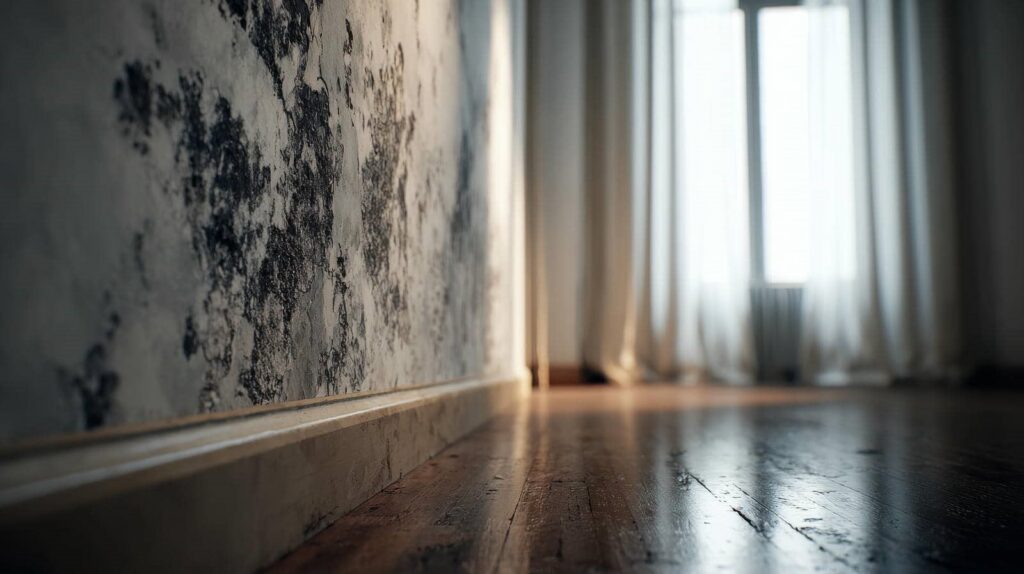
Color Variation: Mold can appear in various colors, including black, green, or white, indicating different species that may affect your health.
Texture Changes: Watch for fuzzy, slimy, or powdery textures on surfaces—these can signal an ongoing mold issue.
Location: Mold often thrives in damp areas like basements or bathrooms. Use mold identification techniques to assess these spots effectively.
Addressing visible mold growth promptly ensures a safer living environment and better air quality for you and your loved ones.
Unpleasant Musty Odor
An unpleasant musty odor in your home often signals hidden mold growth, making it crucial to act quickly.
Musty smells indicate moisture issues, which can lead to serious health risks and structural damage if left untreated. If you notice this odor, it’s a clear sign that mold may be thriving in concealed areas, such as behind walls or under flooring.
Professional mold remediation teams specialize in thorough odor removal and in identifying the source of moisture. They employ advanced techniques to ensure that all mold spores are effectively removed and your home is safe.
Don’t ignore these warning signs; addressing musty odors promptly will help protect both your health and your home’s integrity.
The Health Risks of Mold Exposure You Should Know
While mold can seem like just a nuisance after water damage, the health risks associated with exposure are significant and shouldn’t be overlooked. You may experience various health issues if mold is left untreated.
Here are three critical concerns:
Mold Allergies: Many people develop allergies to mold, leading to symptoms like sneezing, runny nose, and itchy eyes.
Respiratory Issues: Mold can aggravate existing respiratory conditions, such as asthma, making breathing more difficult and uncomfortable.
Infections: In some cases, prolonged exposure can lead to fungal infections, particularly in individuals with weakened immune systems.
Recognizing these risks emphasizes the importance of timely mold remediation, ensuring a safer environment for you and your loved ones.
Step-by-Step Guide to Effective Mold Remediation
When dealing with mold after water damage, following a structured approach is crucial for effective remediation. Start by evaluating the affected area and identifying moisture sources. Use appropriate mold removal techniques, such as scrubbing surfaces with a mixture of water and detergent or applying antifungal solutions.
Make certain you wear protective gear to safeguard your health.
Next, contain the area to prevent spores from spreading, and ventilate the space to improve air quality. Dehumidifiers can help reduce humidity levels, further inhibiting mold growth.
After removal, monitor the area for any signs of recurrence. Regular checks will help maintain a safe environment, fostering a sense of belonging in your space.
Prioritize these steps to achieve thorough mold remediation.
How to Prevent Mold Growth After Water Damage
To effectively prevent mold growth after water damage, you must address moisture issues promptly and thoroughly.
Implementing preventive measures is essential for successful moisture control. Here’s what you should do:
Dry Wet Areas: Use fans, dehumidifiers, and open windows to lower humidity and dry affected surfaces within 24-48 hours.
Inspect for Leaks: Regularly check plumbing and appliances for leaks. Repair any issues immediately to avoid future moisture accumulation.
Seal and Insulate: Confirm that your home is properly sealed and insulated, especially in basements and attics, to prevent moisture infiltration.
Frequently Asked Questions
How Long Does Mold Remediation Usually Take?
Mold remediation usually takes 1 to 5 days, depending on the extent of mold growth and the remediation process’s complexity. You’ll want professionals to ensure thorough removal and prevent future issues in your space.
Can I Perform Mold Remediation Myself?
You can perform mold remediation yourself using DIY techniques, but make certain you take necessary safety precautions. Proper gear, containment, and thorough cleaning are essential to protect yourself and prevent further mold growth in your space.
What Is the Cost of Professional Mold Remediation?
Professional mold remediation typically costs between $500 and $6,000, depending on severity. Effective mold removal techniques are essential to mitigate health risks, ensuring your space remains safe and comfortable for you and your loved ones.
Will My Insurance Cover Mold Remediation Expenses?
Your insurance policies might cover mold remediation, but it depends on your coverage limits and specific terms. Review your policy or contact your provider to understand what’s included and any potential out-of-pocket costs.
How Can I Tell if Mold Is Gone After Remediation?
After remediation, think of your space as a freshly painted canvas. You can confirm mold’s gone through mold detection methods like air sampling or surface testing, ensuring your home’s safe with post remediation testing.
Recap
In the aftermath of water damage, think of your home as a ship at sea. If you don’t address leaks promptly, mold can become the barnacles that weigh it down, compromising its integrity. By prioritizing mold remediation, you safeguard your health and protect your home’s structure. Remember, mold can start growing within just 24 to 48 hours; acting quickly ensures a safe and healthy environment for you and your loved ones.