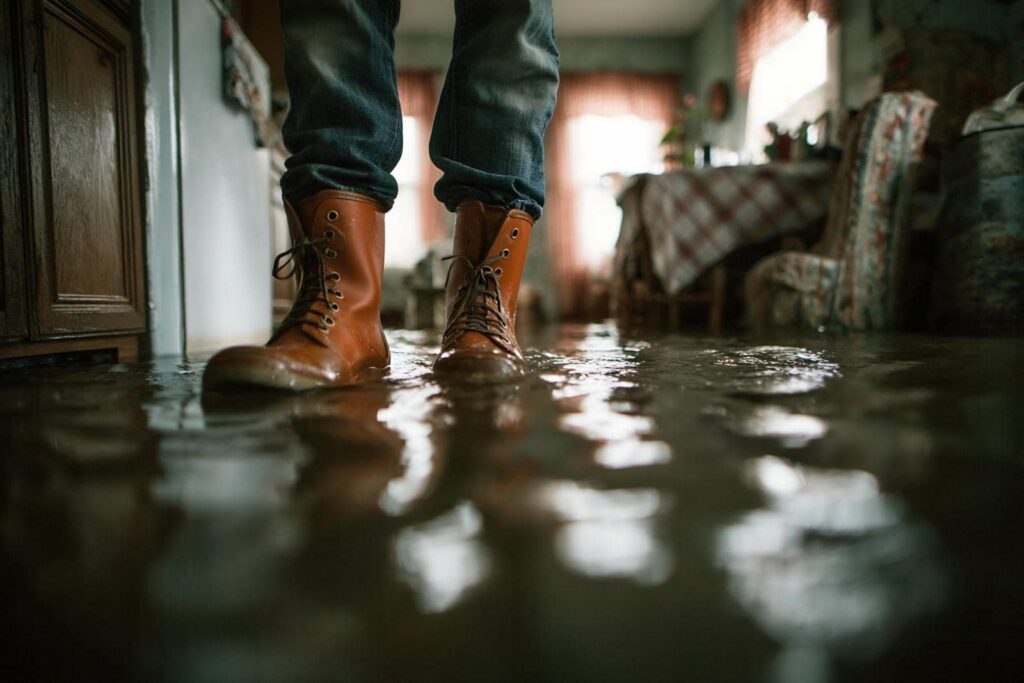
Imagine waking up to find your home transformed into a swimming pool, with water levels rising faster than you can react. Flooding can strike unexpectedly, leaving chaos in its wake. Preparing for flood damage cleanup isn’t just about protecting your belongings; it’s about ensuring your family’s safety and peace of mind. So, what steps can you take to be ready when disaster strikes? Understanding the risks is just the beginning.
Key Takeaways
- Preparing for flood damage cleanup ensures you have essential tools and supplies ready for immediate action, minimizing damage and disruption.
- A well-prepared plan allows for a quicker response, reducing health risks associated with mold and contaminated water post-flood.
- Inventorying valuable items helps streamline insurance claims, ensuring a smoother recovery process after flood damage occurs.
- Regularly reviewing your emergency plan ensures you stay updated on local risks and can adapt your response accordingly.
- Engaging with neighbors fosters a sense of community and shared knowledge, enhancing overall preparedness for flood events.
Understanding the Risks of Flooding
When you think about flooding, it’s easy to underestimate the risks until they affect you directly. Many people assume it won’t happen to them, but understanding the potential dangers is essential. Conducting a risk assessment can help you identify your vulnerability to flooding, whether it’s due to location, weather patterns, or infrastructure issues.
Flood insurance is another key element in safeguarding your home and belongings. It’s designed to provide financial protection in the event of flood damage, but many still neglect to secure it. By taking these steps, you create a safety net that protects your property and offers peace of mind.
You’re not alone in this; many in your community face similar challenges. Preparing for the unexpected fosters a sense of belonging and resilience.
Recognizing the risks of flooding today can help you build a safer tomorrow for yourself and your loved ones.
Assessing Your Property’s Vulnerability
How can you determine if your property is at risk for flooding? Start with a thorough property inspection. Look for low-lying areas in your yard, proximity to water bodies, and signs of past water damage. Consider the elevation of your home; properties situated below floodplain levels are more vulnerable.
Next, check local flood maps and historical data to understand flood patterns in your area. If flooding’s a recurring issue, it might be time to invest in flood barriers. These can greatly reduce water intrusion during heavy rains.
Don’t overlook your drainage systems; verify they’re clear and functioning properly. Engaging with neighbors can provide valuable insights into local risks, fostering a sense of community.
Creating an Emergency Response Plan
As you prepare for potential flooding, creating an emergency response plan is essential for ensuring your family’s safety and minimizing damage to your property.
Start by identifying response roles for each family member. Assign tasks based on their strengths—perhaps one can gather important documents while another secures your home.
Next, establish a communication plan. Make sure everyone knows how to reach each other and where to meet if you get separated.
Practice emergency drills regularly to ensure everyone is comfortable with the plan and knows what to do when the time comes.
Consider including a list of local emergency contacts and resources. This will help you stay informed during a crisis.
By preparing together, you foster a sense of belonging and empower each other to act decisively in the face of potential disaster.
Assembling a Flood Cleanup Kit
While preparing for a flood, assembling a thorough cleanup kit is crucial for tackling the aftermath effectively. Start by gathering flood kit essentials like heavy-duty gloves, masks, and goggles to protect yourself from contaminants.
You’ll also need sturdy trash bags for debris removal and absorbent towels to dry surfaces. Don’t forget emergency supplies such as a first aid kit, flashlight, and batteries to ensure safety during power outages.
Include a multi-tool for various tasks, and consider adding waterproof containers for important documents.
Having a well-stocked cleanup kit helps you manage the situation and brings peace of mind, knowing you’re ready to face the challenges ahead.
Documenting Valuable Items and Assets
Once you’ve gathered your cleanup supplies, it’s time to focus on documenting your valuable items and assets. Start by creating a detailed inventory management system, noting each item’s condition, value, and any sentimental significance. This helps you keep track of your belongings and aids in asset valuation for insurance claims.
Use a camera or smartphone to take photos of your items, ensuring you capture any unique features or damages.
Consider organizing your inventory by categories, such as electronics, furniture, and personal collections. This methodical approach will make it easier to assess what’s been lost or damaged later on.
Establishing Communication Channels
Establishing effective communication channels is essential in the aftermath of a flood. You’ll want to ensure that everyone involved—family, friends, and neighbors—stays informed and connected.
Start by identifying the best communication strategies for your situation, whether that’s through group texts, social media, or community bulletin boards.
Create a central point of contact that everyone can rely on for updates and information. This helps streamline effective messaging and reduces confusion.
Encourage open discussions, allowing people to share their feelings and experiences, fostering a sense of belonging during this challenging time.
Don’t underestimate the power of empathy in your communications; it can provide comfort and reassurance.
Identifying Local Resources and Services
How can you effectively identify local resources and services to aid in flood recovery? Start by reaching out to your neighbors and community groups; they often have firsthand knowledge of local cleanup services available in your area.
Local government websites can also be a valuable resource, providing lists of approved contractors and resources dedicated to flood recovery. Don’t hesitate to contact your local Red Cross or similar organizations; they frequently have connections to community resources that can assist you.
Social media platforms can serve as a quick way to gather recommendations from others who’ve faced similar challenges. Additionally, consider visiting local community centers where you might find support networks and information about available services.
Training Family Members for Emergency Situations
It’s crucial to prepare your family for emergencies by creating an up-to-date emergency contact list.
Make sure everyone knows where safety equipment is located and how to use it properly.
This training will empower your loved ones to respond effectively during a crisis, ensuring everyone’s safety.
Emergency Contact List
Creating an emergency contact list is a vital step in preparing your family for unexpected situations, like flooding. Start by gathering essential emergency contacts, including local authorities, family members, and friends who can offer support.
Organize these contacts clearly, so everyone knows who to reach out to in a crisis. It’s helpful to have both mobile numbers and alternative contact information, as phone lines can go down during emergencies.
Share the list with all family members and encourage them to memorize key contacts, fostering a sense of security. By prioritizing contact organization, you’re not just preparing for emergencies; you’re building a safety net that strengthens your family’s bond and ensures everyone feels connected and supported when it matters most.
Safety Equipment Familiarization
When a flood threatens your home, knowing how to use safety equipment can make all the difference in enuring your family’s well-being.
Start by conducting a risk assessment to identify areas in your home that may be vulnerable. Familiarize each family member with essential safety gear like life jackets, flashlights, and first aid kits.
Hold regular practice sessions to ensure everyone knows where the equipment is stored and how to use it. Make it a family activity to review emergency plans, reinforcing the importance of staying calm and collected during a crisis.
This shared knowledge builds confidence and strengthens your family’s bond, creating a supportive environment when facing emergencies together.
Reviewing and Updating Your Plan Regularly
As you navigate the complexities of flood damage cleanup, regularly reviewing and updating your emergency plan becomes essential to ensure your safety and preparedness.
The frequency of your plan review can greatly impact your response in a crisis, so make it a priority to revisit your plan at least twice a year.
Here are three key areas to focus on during your review:
Contact Information: Verify all emergency contacts are current, including family members and local resources.
Evacuation Routes: Reassess your evacuation routes and safe locations, as changes in your neighborhood or infrastructure can occur.
Supplies Inventory: Check your emergency supply kit and replace any expired items, confirming you’re ready for any situation.
Knowing When to Call Professionals for Help
Regularly updating your emergency plan prepares you for potential floods and helps you identify situations where professional assistance is necessary.
If you encounter significant water damage, it’s essential to recognize when to call in professional services for flood cleanup. Don’t underestimate the potential health risks from mold and contaminated water. If the damage exceeds a few inches, or if your belongings are soaked, it’s best to seek help.
Professional services can quickly assess the situation, ensuring safety and thorough cleanup. They’ve the tools and experience to tackle challenging environments that you may not be equipped for.
Frequently Asked Questions
What Insurance Coverage Should I Have for Flood Damage?
You should consider getting flood insurance that covers structural damage and personal property. Look into different coverage types, like replacement cost and actual cash value, to ensure you’re well-protected against potential flood losses.
How Can I Prevent Mold Growth After Flooding?
“An ounce of prevention’s worth a pound of cure.” To prevent mold growth, employ effective mold prevention strategies and drying techniques. Ensure your space dries quickly, keep humidity low, and regularly check hidden areas for moisture.
What Are the Signs of Structural Damage After a Flood?
Look for flood indicators like cracks in walls, sagging ceilings, or warped floors. Conduct a thorough structural assessment to identify potential hazards. Trust your instincts; if something feels off, don’t hesitate to seek professional help.
How Long Does Flood Damage Cleanup Typically Take?
Flood damage cleanup typically takes days to weeks, depending on severity. You’ll assess the damage, remove debris, dry out spaces, and restore your home. Understanding this cleanup duration can ease your flood recovery journey.
Can I Use Regular Cleaning Supplies for Flood Cleanup?
You can’t rely solely on regular cleaning supplies for flood cleanup. They often lack the necessary disinfectants. It’s best to use specialized flood cleanup products to ensure safety and effectively remove contaminants from your home.
Wrap-Up
By preparing for flood damage cleanup, you’re not just safeguarding your possessions; you’re creating a lifeline amidst chaos. Picture your family working together, equipped with a well-stocked cleanup kit and a clear plan, ready to face the rising waters. This proactive approach shields your home and fosters a sense of unity and resilience. As you embrace these preparations, you’re paving the way for recovery, transforming fear into empowerment, and ensuring brighter days ahead.