It’s interesting how a single burst pipe can lead to extensive water damage overnight. When you face such emergencies, prompt water removal techniques become essential. They help prevent mold growth and structural damage, which can escalate repair costs and health risks. Understanding the importance of immediate action protects your property and ensures a quicker restoration process. However, what specific steps should you take when water invades your home?
Key Takeaways
- Quick water removal prevents extensive damage and reduces repair costs for your property.
- Acting swiftly minimizes the risk of mold growth and health issues.
- Emergency techniques efficiently extract water, protecting structural integrity from further deterioration.
- Professional restoration services streamline the process, ensuring thorough drying and mold prevention.
- Prompt action provides peace of mind, reducing long-term risks associated with water damage.
Understanding the Importance of Prompt Water Removal
When water infiltrates your property, acting quickly is essential to prevent extensive damage and costly repairs.
Prompt water removal is critical in mitigating water damage, as stagnant water can lead to structural issues, mold growth, and deterioration of personal belongings. When you respond swiftly, you minimize the overall impact on your home and health.
Utilizing emergency response techniques can considerably reduce the time and costs associated with restoration. Start by identifying the source of the water and shutting it off, if possible.
Next, remove any affected furniture and belongings to a dry area. Employ high-capacity pumps and industrial-grade dehumidifiers to expedite water extraction and drying processes.
Your proactive measures will protect your property and provide peace of mind to you and your loved ones.
Common Causes of Water Damage in Homes
Water damage can stem from various sources, and understanding these common causes is essential for effective prevention.
Flooded basements often result from heavy rainfall or poor drainage, leading to groundwater intrusion.
Leaking roofs can allow water to seep in during storms, causing extensive damage over time.
Burst pipes may occur due to sudden temperature drops, particularly in winter, resulting in frozen pipes that can rupture.
Additionally, appliance failures, such as malfunctioning washing machines or dishwashers, can lead to significant water loss.
Sewer backups pose another risk, threatening both property and health.
Identifying these plumbing issues early can save you from costly repairs and create a safer environment.
By being aware of these potential problems, you can take proactive steps to protect your home and maintain its integrity.
Staying informed helps you feel empowered in safeguarding your living space against water damage.
The Risks of Delaying Water Removal
Delaying water removal can considerably increase the risk of mold growth, which can compromise indoor air quality and lead to health issues.
Additionally, standing water can weaken structural elements of your home, resulting in costly repairs.
Acting quickly is essential to mitigate these risks and protect your property.
Mold Growth Potential
While you may think that a few days of standing water won’t pose a significant threat, the reality is that mold can begin to thrive within 24 to 48 hours after water intrusion.
If you delay water removal, you increase the risk of mold growth, which can jeopardize both your health and property.
Implementing mold prevention strategies is essential; this includes rapid water extraction and maintaining low humidity levels.
Employ humidity control techniques, such as dehumidifiers and proper ventilation, to inhibit mold spores from settling.
Remember, taking swift action protects your environment and fosters a sense of community and belonging as you safeguard your home and those who share it.
Don’t underestimate the urgency of effective water removal.
Structural Damage Risks
If you overlook the urgency of prompt water removal, you risk significant structural damage to your property.
Delaying this critical step can lead to foundation instability, as water infiltrates and compromises the soil’s integrity. Over time, this moisture can weaken load-bearing walls and beams, threatening your home’s overall structural integrity.
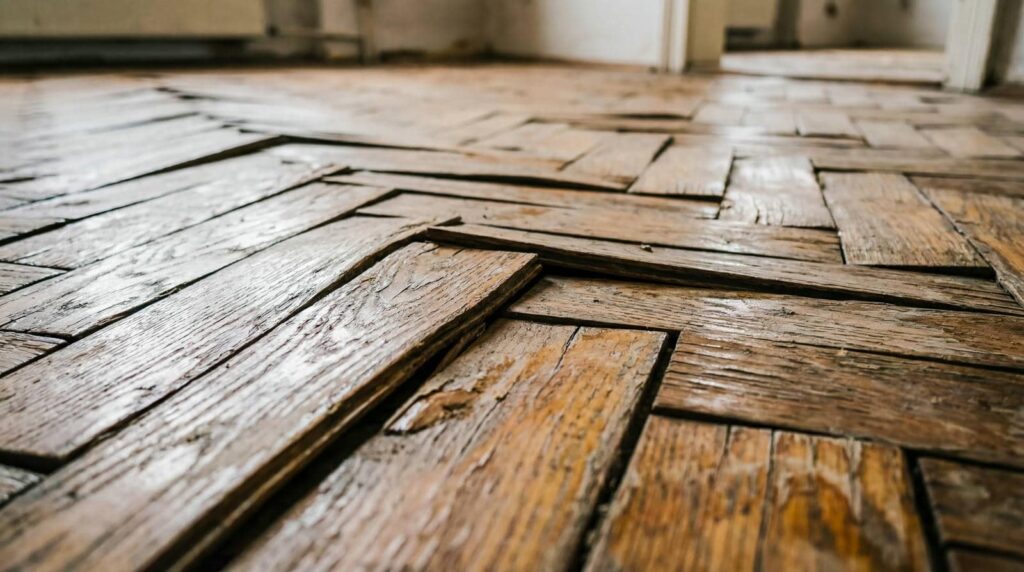
You might notice cracks in walls, uneven floors, or doors that no longer close properly. Each of these issues signals potential long-term damage that can escalate repair costs.
By acting swiftly, you protect your investment and your sense of security. Remember, ensuring a safe, stable environment for your loved ones is worth the immediate effort of emergency water removal.
Don’t wait—act before minor issues become major catastrophes.
Overview of Emergency Water Removal Techniques
Emergency water removal techniques are crucial for mitigating damage in situations such as flooding or plumbing failures.
These emergency techniques focus on efficient water extraction to protect your property and belongings. Knowing the right steps can help you act swiftly and minimize long-term issues.
Assess the Situation: Identify the source of water intrusion and the extent of the damage.
Shut Off Utilities: Turn off electricity and water supply to prevent further hazards.
Remove Standing Water: Use pumps or wet vacuums to eliminate excess water quickly.
Dry Affected Areas: Employ fans and dehumidifiers to ensure moisture is thoroughly removed.
Equipment Used in Water Extraction
When tackling water extraction, having the right equipment is essential for effective and efficient results.
You’ll want to start with pumping systems, which are important for removing standing water quickly. These systems come in various capacities, allowing you to choose one that matches the severity of the flooding. High-efficiency pumps can greatly reduce water levels, minimizing damage to your property.
Once the bulk of the water is removed, dehumidifiers play a critical role in the drying process. They help eliminate excess moisture from the air, which can prevent mold growth and structural damage.
Choosing commercial-grade dehumidifiers ensures you can handle high humidity levels effectively.
The Role of Professional Restoration Services
Professional restoration services play an essential role in the aftermath of water damage, providing expertise and specialized equipment to ensure a thorough recovery. When you face such a crisis, relying on professionals can greatly streamline the restoration process and reduce long-term damage.
Assessment: Experts evaluate the extent of water damage and create a tailored action plan.
Advanced Equipment: They utilize cutting-edge tools for efficient water extraction and drying.
Mold Prevention: Professional services implement strategies to inhibit mold growth, ensuring a safe environment.
Insurance Assistance: They often help navigate insurance claims, easing the financial burden.
Steps to Take Immediately After Flooding
After water damage occurs, immediate action is crucial to mitigate further complications. First, prioritize safety by evaluating the situation. Verify that the electricity is turned off to prevent shock hazards. If you suspect structural damage, don’t enter the premises until a professional has examined it.
Next, document the damage for insurance purposes, taking photos and notes of affected areas.
Begin immediate actions by removing standing water using pumps or wet vacuums, if it’s safe to do so. Move undamaged belongings to higher ground to prevent further loss. Open windows and doors to promote airflow, which aids in drying out the space.
Utilize fans and dehumidifiers to reduce moisture levels. Be mindful of mold growth; it can develop quickly in damp environments.
Throughout the process, keep communication open with restoration professionals to verify you’re following best practices and adhering to safety precautions. Your prompt response can greatly reduce long-term damage.
Preventing Future Water Damage
To prevent future water damage, you need to implement regular maintenance practices and establish proper drainage solutions.
Check your property for leaks, clean gutters, and ensure downspouts direct water away from your foundation.
Additionally, consider installing sump pumps or drainage systems to manage excess water effectively.
Regular Maintenance Practices
While you may not think about it often, regular maintenance practices are crucial in preventing future water damage within your property.
Implementing preventive measures and conducting routine inspections can greatly reduce the risk of costly repairs. Here are some key practices to reflect on:
Inspect the roofing for leaks or damage regularly.
Check gutters and downspouts to verify proper water flow.
Test sump pumps and other drainage systems to confirm functionality.
Seal cracks in foundations or walls to prevent moisture intrusion.
Proper Drainage Solutions
Proper drainage solutions play an essential role in safeguarding your property against future water damage. Implementing effective drainage systems ensures peak water flow away from your foundation and helps prevent potential flooding.
Start by evaluating your landscape’s slope; it should direct water away from structures. Installing gutters and downspouts is vital, as they collect and channel rainwater efficiently.
Consider adding French drains or sump pumps in high-risk areas to manage excess water. Regularly check and maintain these systems, clearing debris to prevent blockages.
Insurance Considerations for Water Damage Claims
Understanding insurance considerations for water damage claims is essential as you navigate the recovery process. Your insurance policy will determine the level of coverage, so it’s vital to familiarize yourself with its details. This knowledge can greatly impact your claim process.
Here are some key points to keep in mind:
Document Everything: Take photos and notes of the damage for your records.
Review Your Policy: Check for exclusions or limits related to water damage.
Notify Your Insurer Promptly: Timeliness can affect your claim’s success.
Seek Professional Help: Engage water damage experts to support your claim with evidence.
Long-Term Effects of Ineffective Water Removal
If water removal isn’t executed effectively, you risk significant structural damage to your property.
Prolonged exposure to moisture can also create an ideal environment for mold growth, leading to health hazards and costly remediation.
Understanding these long-term effects can help you prioritize efficient water removal strategies.
Structural Damage Risks
When water removal efforts fall short, the structural integrity of a property can be severely compromised over time.
Neglecting effective water removal can lead to significant risks, including:
- Foundation integrity issues, which can result in costly repairs and renovations
- Structural instability that may threaten the safety of occupants
- Increased vulnerability to future water damage, creating a cycle of deterioration
- Diminished property value, impacting your investment and future resale opportunities
Addressing water damage promptly is essential to maintaining the stability and safety of your property.
By employing effective emergency water removal techniques, you protect your immediate environment and ensure the long-term viability and value of your home.
Don’t wait—your property deserves the best care.
Mold Growth Potential
Failure to effectively remove water not only jeopardizes structural integrity but also greatly increases the risk of mold growth.
When water lingers, it creates an ideal environment for mold spores to thrive. If you don’t act swiftly, you could face significant long-term consequences, including health issues and costly repairs.
Implementing mold prevention strategies, such as thorough drying and cleaning, is essential. Additionally, employing humidity control methods, like dehumidifiers and proper ventilation, helps maintain suitable moisture levels, further reducing mold risks.
By prioritizing effective water removal and integrating these strategies, you can protect your space and foster a healthier environment for everyone involved.
Don’t underestimate the importance of these actions—your well-being depends on them.
Frequently Asked Questions
What Are the Costs Associated With Emergency Water Removal Services?
Emergency water removal service pricing varies based on cost factors like the extent of damage, required equipment, and labor. You should expect to invest considerably for a timely, efficient resolution to prevent further complications.
How Can I Identify if My Home Needs Emergency Water Removal?
If you notice musty odors or warped floors, your home may need emergency water removal. Use detection methods like moisture meters or infrared cameras to uncover hidden water damage before it escalates into a bigger problem.
Will My Insurance Cover Emergency Water Removal Expenses?
Your insurance policies may cover emergency water removal expenses, but check your coverage limits. Review your policy carefully to understand what’s included, as specific conditions and exclusions can affect your claim eligibility and reimbursement.
Can I Perform Water Removal Myself Effectively?
Yes, you can effectively perform water removal yourself using DIY techniques and appropriate water removal tools. Make certain you’ve got a wet/dry vacuum and dehumidifier ready to tackle the situation efficiently and safely.
How Long Does the Emergency Water Removal Process Typically Take?
The water removal duration typically ranges from a few hours to several days, depending on the process efficiency and severity of the situation. You should assess conditions promptly to minimize damage and ensure a swift resolution.
Review
In the face of water damage, time is of the essence. By employing emergency water removal techniques, you can safeguard your property and avoid costly repairs down the line. Remember: a stitch in time saves nine; acting quickly minimizes immediate risks and sets the stage for a thorough restoration process. Don’t let delays turn a manageable situation into a nightmare. Prioritize prompt action to protect your home and ensure a safe environment for your family.