
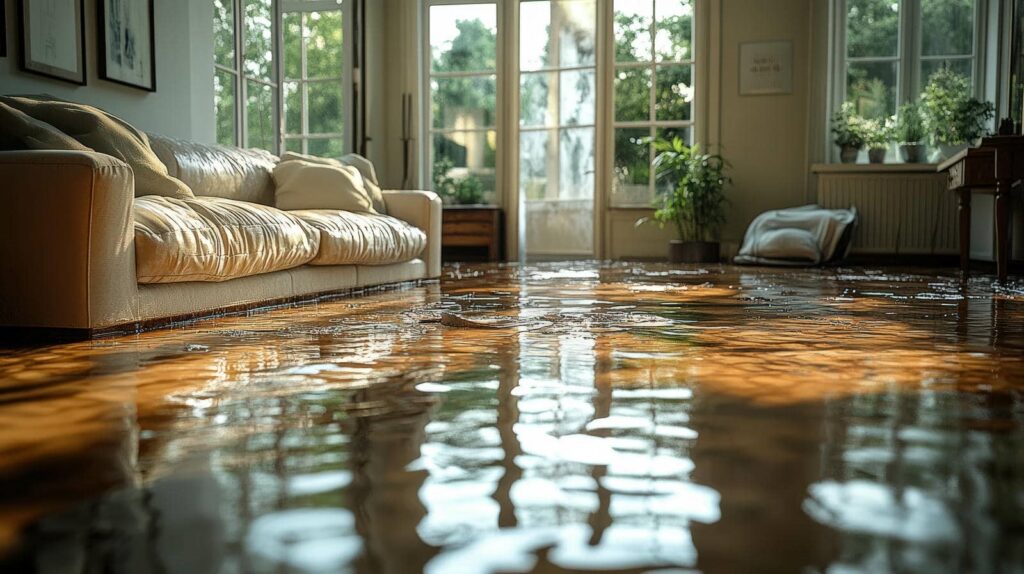
When your home faces flooding, quick and strategic action is essential to minimize damage and ensure your safety. You might feel overwhelmed, but understanding the immediate risks and taking the right steps can make a significant difference. From removing standing water to addressing potential electrical hazards, each action plays a fundamental role in your recovery. Let’s explore the necessary flooded house methods that can help restore your home efficiently and effectively.
Key Takeaways
- Conduct a safety assessment to identify hazards and prioritize water safety before entering the flooded area.
- Remove standing water quickly using pumps and wet vacuums to minimize damage and prevent mold growth.
- Clean and disinfect all affected surfaces with effective sanitation products to inhibit bacteria and mold.
- Inspect electrical systems for damage, and document findings for insurance claims to ensure proper coverage.
- Seek professional help for significant damage and implement long-term prevention measures like waterproofing and proper drainage.
Understanding the Immediate Risks of Water Damage
When you face a flooded home, understanding the immediate risks of water damage is essential for your safety and recovery.
Start with a thorough risk assessment to identify potential hazards, like electrical issues or structural weaknesses. Water safety becomes paramount; standing water can harbor bacteria and mold, posing serious health threats.
Be aware of the materials in your home—drywall, wood, and insulation can absorb water, leading to long-term damage if not addressed promptly. Recognizing these risks allows you to take decisive action, protecting both your property and your well-being.
It’s vital to stay informed and connected with professionals who can guide you through this challenging situation, fostering a sense of community and support during your recovery journey.
Remove Standing Water With Pumps and Wet Vacuums
Act quickly to remove standing water, as this is an essential step in restoring your flooded home.
Utilize effective water extraction methods to minimize damage. Start with submersible pumps, perfect for deep water, or consider utility pumps for shallower areas. If you’re dealing with smaller puddles, a wet vacuum can be invaluable. It removes water and helps prevent mold growth.
When using these tools, make certain you follow safety guidelines to protect yourself and your belongings. Remember, the faster you act, the less likely you’re to face long-term issues.
Drying Out Water-Damaged Areas With Fans and Dehumidifiers
Once you’ve removed the standing water, your next step is essential: drying out the water-damaged areas.
Start by strategically positioning fans to enhance airflow. Place them in corners and direct them toward walls to maximize drying efficiency.
Adjust the dehumidifier settings to a low humidity level, around 30-60%, to extract moisture effectively. Monitor the humidity levels regularly, ensuring they stay within a safe range.
This combination of fan placement and dehumidification accelerates the drying process, minimizing the risk of mold growth.
Remember, taking these steps restores your space and brings peace of mind.
You’re not alone in this; many have walked this path, and together, we can turn your home back into a haven.
Clean and Sanitize Affected Areas Thoroughly
As you tackle the aftermath of flooding, cleaning and sanitizing the affected areas is essential for your safety and the longevity of your home.
Using effective flood cleanup techniques will help prevent mold and health hazards. Here are key steps to follow:
- Remove all standing water and debris.
- Use appropriate sanitation products, like bleach or vinegar solutions, to disinfect surfaces.
- Pay special attention to porous materials, which may need replacement.
- Allow areas to dry completely to inhibit mold growth.
How to Safely Inspect and Repair Electrical Damage After Water Exposure?
Before diving into repairs, it’s essential to understand how to safely inspect and address any electrical damage caused by water exposure.
First, prioritize electrical safety: shut off the power at the main circuit breaker before entering the affected areas.
Assess the damage by examining outlets, switches, and wiring for signs of corrosion or short circuits. If you notice any exposed wires or significant damage, it’s best to call a licensed electrician.
Document your findings for insurance purposes, ensuring you capture both the extent of the damage and any repairs needed.
This thorough damage assessment helps repair your home and fosters a sense of community by sharing your experiences with others facing similar challenges.
Prevent Mold and Address Structural Issues
After a flood, it’s essential to assess the extent of the water damage to prevent mold growth and address any structural issues.
You’ll need to dry out affected areas thoroughly, ensuring no moisture lingers to create an environment for mold.
Finally, inspect the structural integrity of your home, as hidden damage can threaten safety and stability.
Assess Water Damage Extent
Evaluating the extent of water damage is critical in preventing mold growth and addressing potential structural issues. Start by examining the affected areas thoroughly; this will help you understand what needs immediate attention.
If you have flood insurance, document the damage for your claim.
Consider these key steps:
- Inspect walls, floors, and ceilings for signs of water saturation.
- Check for mold growth or discoloration, especially in hidden areas.
- Review electrical systems and appliances to ensure safety.
- Plan for water extraction to minimize further damage.
Your proactive approach can make a significant difference. By addressing these concerns early, you’re not just restoring your home—you’re also fostering a safe, welcoming environment for yourself and your loved ones.
Dry Out Affected Areas
Drying out affected areas is essential to preventing mold growth and addressing potential structural issues.
Start by using moisture measurement tools to identify damp spots. This helps you target your efforts effectively.
Open windows and doors to improve air circulation; fresh air is your ally in this process.
Consider using fans or dehumidifiers to accelerate drying, especially in enclosed spaces.
Be thorough—check behind walls and under floors, as hidden moisture can lead to bigger problems down the line.
Remember, you’re not alone in this; many have faced similar challenges and emerged stronger.
Your commitment to restoring your home is a step toward renewed safety and comfort.
Take these actions seriously, and your efforts will pay off.
Inspect for Structural Integrity
While you focus on drying out your home, it’s essential to inspect for structural integrity to prevent mold and address any potential issues.
A thorough foundation assessment and structural inspections can help you identify hidden damage.
Look for:
- Cracks in walls or foundation
- Warped or sagging floors
- Signs of water damage in beams or joists
- Mold growth in hidden areas
Salvaging and Restoring Personal Belongings After Water Damage
After a flood, your first step should be prioritizing essential items that hold the most value to you, whether sentimental or practical.
Once you’ve identified these belongings, it’s vital to clean and disinfect them thoroughly to prevent further damage and health risks.
Prioritize Essential Items First
When faced with the aftermath of a flood, prioritizing essential items can make a significant difference in your recovery. You’ll want to conduct a priority assessment to identify what truly matters.
Start with your essential belongings, focusing on items that hold both practical and sentimental value. Consider these categories:
- Important documents (IDs, insurance papers)
- Medications and health supplies
- Family heirlooms or photos
- Crucial electronics (laptops, phones)
Clean and Disinfect Belongings
Restoring your belongings after a flood requires a systematic approach to clean and disinfect each item effectively. Start by sorting through your possessions, focusing on furniture restoration and sentimental items first.
For wooden furniture, clean surfaces with a mixture of water and mild detergent, then dry thoroughly to prevent warping. Disinfect using a solution of one cup of bleach to a gallon of water, ensuring you wear protective gear.
For sentimental items like photos or heirlooms, gently rinse them and air dry. If items are heavily damaged, document them for insurance purposes.
How to Navigate Insurance Claims After Documenting Damage?
Steering through insurance claims can feel overwhelming, especially after you’ve meticulously documented the damage from a flood.
Understanding the insurance process is essential for a swift resolution. Here’s how to navigate your claim effectively:
- Review your policy: Know what’s covered and any exclusions.
- Organize your claim documentation: Include photos, receipts, and repair estimates.
- Communicate clearly: Keep in touch with your adjuster and ask questions when needed.
- Follow up regularly: Stay proactive to ensure your claim is processed in a timely manner.
When to Call in the Experts for Major Repairs?
While you might feel tempted to tackle repairs on your own, knowing when to call in the experts can save you time, money, and further complications.
If your home has sustained significant damage, such as structural issues or extensive mold growth, it’s essential to seek professional assessment. Emergency restoration services are equipped to handle severe scenarios, ensuring that repairs are done correctly and safely.
If you’re unsure about the extent of the damage or how to proceed, don’t hesitate to reach out for help. Your home is a sanctuary, and preserving its integrity is vital.
Trusting experts allows you to focus on recovery, knowing you’re in capable hands, and ultimately fosters a sense of belonging in your community.
Long-Term Strategies for Water Damage Prevention
To effectively prevent future water damage, it’s essential to adopt proactive measures that address potential vulnerabilities in your home.
Implementing waterproofing techniques and effective drainage solutions can safeguard your space. Here are some strategies you can consider:
- Install gutters and downspouts to direct rainwater away from your foundation.
- Use sealants on basement walls and floors to prevent seepage.
- Grade your yard away from your home to enhance drainage.
- Regularly inspect and maintain your plumbing systems to catch leaks early.
Frequently Asked Questions
How Long Does It Take to Dry Out a Flooded House?
Drying out a flooded house typically takes 3 to 7 days, depending on the flood drying techniques and moisture removal methods you use. Staying proactive and patient during this process helps ensure a thorough and effective restoration.
What Should I Wear When Dealing With Flood Water?
When wading through floodwaters, think of protective gear as your armor. Wear waterproof boots, gloves, and a mask for flood safety. It’s essential to shield yourself from contaminants while traversing this challenging environment. Stay safe together.
Can I Stay in My Home During Restoration?
You can stay in your home during restoration, but consider temporary accommodations if safety precautions aren’t met. Prioritize your well-being and ensure the environment’s safety before settling back in. Your comfort matters during this process.
How to Prevent Future Flooding in My Home?
To prevent future flooding, invest in effective drainage solutions and install waterproof barriers. Regularly inspect your home’s exterior, and make necessary repairs to ensure a safe, dry environment for you and your loved ones.
What Are the Health Risks Associated With Flood Water?
Flood water’s a toxic soup, brimming with health hazards. You face risks like infections, gastrointestinal issues, and mold exposure. It’s essential you act quickly to protect yourself and your loved ones from these lurking dangers.
Summary
Restoring your flooded home feels intimidating, but remember, each step brings you closer to recovery. Picture the sun breaking through the clouds as you pump out the water, dry the rooms, and breathe new life into your cherished belongings. By evaluating risks, documenting damage, and seeking help when needed, you can turn this overwhelming challenge into a manageable journey. Implementing preventive measures will safeguard your home and restore your peace of mind for the future.