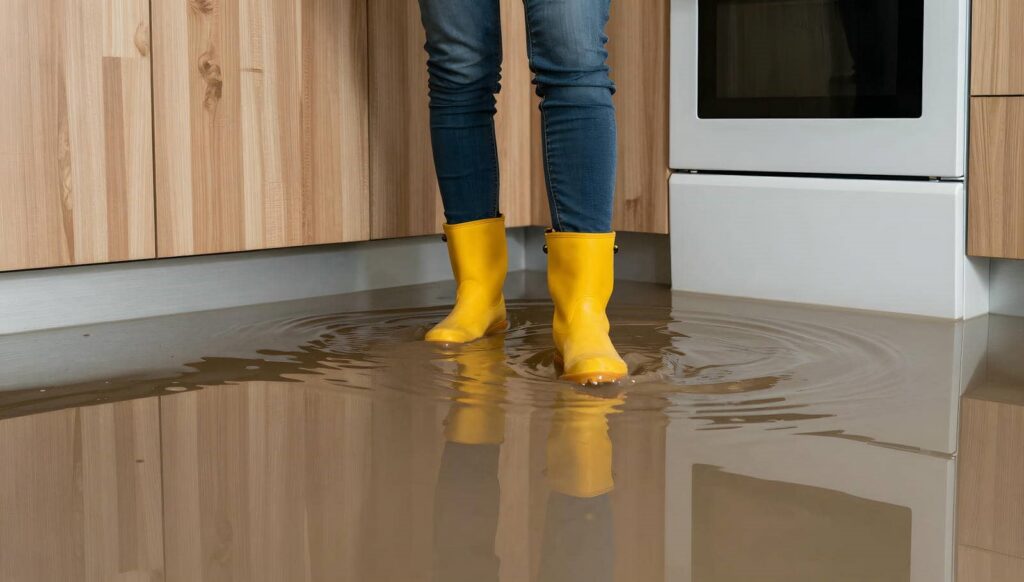
Did you know that even minor water damage can lead to significant structural issues if not addressed promptly? Homeowners often underestimate the importance of effective water cleanup techniques. By understanding and employing the right methods, you can minimize damage and protect your property. Discover how to efficiently remove water, promote thorough drying, and prevent future issues. These strategies are essential for maintaining a safe and healthy home environment.
Key Takeaways
- Use wet/dry vacuums or submersible pumps to efficiently extract standing water from affected areas.
- Position industrial fans and dehumidifiers to enhance airflow and expedite the drying process.
- Regularly monitor humidity levels with a hygrometer to ensure complete moisture removal.
- Remove damaged materials like carpeting or drywall to prevent mold growth.
- Document the cleanup process with photos and notes for insurance claims.
How to Assess Water Damage in Your Home?
How can you effectively assess water damage in your home? Start by identifying visible signs, like discoloration on walls or warped flooring. These indicators often signal underlying issues.
Next, use assessment methods such as moisture meters to pinpoint hidden damp areas. Check your ceilings, basements, and crawl spaces, as these are common trouble spots. Don’t forget to inspect appliances and plumbing for leaks.
Document your findings with photos and notes; this’ll be essential for insurance claims. Remember, early detection can prevent further damage and costly repairs.
Top Techniques for Efficient Water Removal
Once you’ve assessed the water damage in your home, the next step is efficient water removal. Start with effective water extraction methods, such as using a wet/dry vacuum or submersible pump to remove standing water quickly. These tools can greatly reduce moisture levels, making the drying process more manageable.
After extraction, deploy drying equipment like industrial fans and dehumidifiers to eliminate residual moisture from carpets, walls, and furniture. Position these devices strategically to guarantee ideal airflow.
Monitor humidity levels with a hygrometer to confirm that your space is drying effectively. By utilizing these techniques, you’ll not only restore your home but also foster a sense of community resilience, knowing you’re taking proactive steps to protect your living environment.
Water Damage Prevention Tips for Homeowners
While water damage can be devastating, you can take proactive steps to prevent it in your home. Implementing effective strategies will give you peace of mind and protect your investment.
Here are some essential tips:
Regularly inspect plumbing for leaks and signs of wear.
Install moisture barriers in basements and crawl spaces to prevent dampness.
Invest in water leak detection systems to catch issues early.
Clear gutters and downspouts to guarantee proper drainage away from your home.
Frequently Asked Questions
What Should I Do Immediately After Discovering Water Damage?
When you discover water damage, initiate emergency response by shutting off the water source. Then, conduct an initial assessment to determine the extent of damage, allowing for effective planning and prompt action to mitigate further issues.
Can I File an Insurance Claim for Water Damage?
Yes, you can file an insurance claim for water damage, but make certain you understand your policy’s specifics. While some coverages protect against sudden leaks, others might exclude certain situations, so review your insurance coverage carefully.
How Long Does It Take to Dry Out a Home?
It typically takes 3 to 7 days to dry out a home, depending on drying conditions and moisture removal techniques. Efficient airflow and dehumidifiers can greatly speed up the process, ensuring a thorough dry.
What Types of Mold Can Grow After Water Damage?
After water damage, you might encounter mold types like black mold and Aspergillus. To prevent growth, guarantee proper ventilation, control humidity, and promptly address leaks. Regular inspections can help you maintain a safe environment for everyone.
Should I Hire a Professional or DIY Water Cleanup?
Shouldn’t you consider your time and expertise? If you’re confident, use DIY cleanup tips and effective water extraction methods. However, for extensive damage, hiring a professional guarantees thoroughness and safety. Choose wisely for your home.
Review
Effectively addressing water damage requires prompt action and the right techniques. While you might worry about the costs of equipment, investing in wet/dry vacuums, industrial fans, and dehumidifiers can save you from more extensive repairs down the line. By evaluating damage quickly and employing these methods, you can safeguard your home and health. Don’t wait for mold to set in; act now to restore your living space and secure a safer environment for you and your family.