
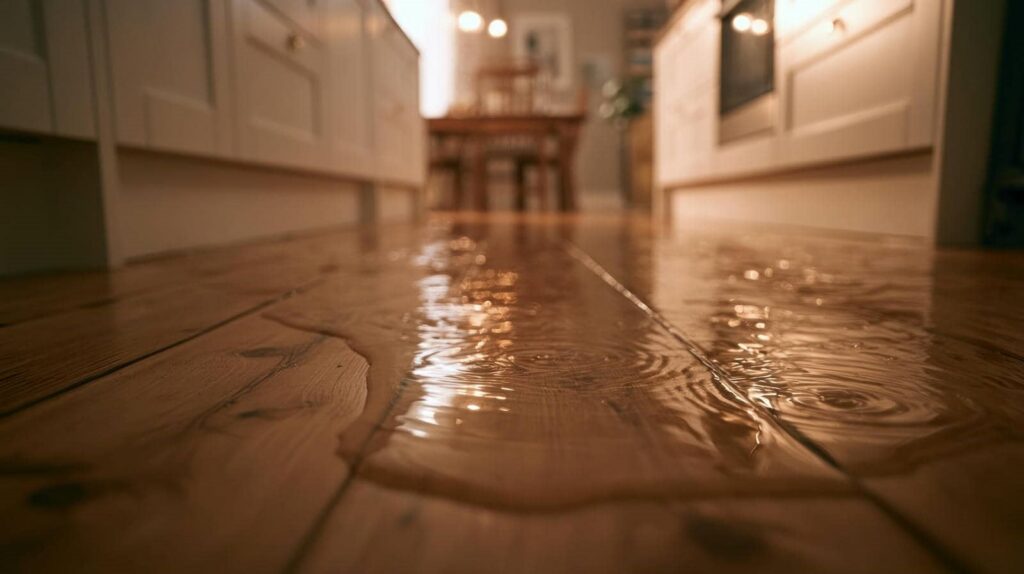
Filing Water Damage Claims can feel overwhelming, but understanding the process is essential for a successful outcome. You need to review your insurance coverage carefully, document all damage with photos and detailed records, and prepare for the insurance adjuster’s visit. Taking these steps helps strengthen your claim and can speed up the approval process. Avoiding common mistakes—such as delaying documentation or discarding damaged items too soon—can make a significant difference in ensuring your claim is processed smoothly.
Key Takeaways
- Review your insurance policy for coverage limits and exclusions related to water damage before filing a claim.
- Thoroughly document all damage with photographs and detailed notes to support your claim effectively.
- Report the incident to your insurance company promptly to avoid delays in processing your claim.
- Be prepared for the insurance adjuster’s visit by having all relevant information and documentation ready.
- Keep records of all communications with your insurer to ensure a smooth claims process.
Understanding Water Damage Insurance Coverage
When you face water damage, understanding your insurance coverage can greatly affect how quickly you recover. Start by reviewing your policy details, especially the coverage limits.
These limits dictate how much your insurer will pay for repairs and replacements. Be aware of policy exclusions, as they can leave you vulnerable to significant out-of-pocket expenses.
For instance, flooding mightn’t be covered under a standard homeowner’s policy, requiring additional flood insurance. Familiarizing yourself with these aspects empowers you and ensures you’re prepared to navigate the claims process more effectively.
Knowing your coverage limits and exclusions fosters a sense of belonging in a community where preparedness is valued, ultimately aiding your recovery journey.
Document Your Water Damage Before Filing a Claim
Knowing your insurance coverage is just the first step; documenting your water damage is equally important.
Begin with a detailed damage assessment of your property. Identify affected areas, noting the severity and type of damage. Use photographic evidence to capture everything clearly—images of water stains, warped floors, and damaged furniture.
Make sure you take multiple angles and close-ups to provide extensive proof. This documentation will support your claim and help insurance adjusters understand the extent of your losses.
Keep records of any repairs or remediation efforts you undertake as well. By being meticulous in your documentation, you strengthen your position when filing a claim and make certain you receive the coverage you deserve.
Step-by-Step Guide to Filing Your Insurance Claim
Filing an insurance claim for water damage can feel overwhelming, but breaking it down into manageable steps simplifies the process.
Start by reviewing your policy to understand coverage, including any policy exclusions that may affect your claim.
Next, document all damage with photos and detailed notes.
Contact your insurance company promptly to report the incident, keeping in mind that claim timelines can vary.
Fill out any required claim forms thoroughly, providing all necessary documentation.
Follow up to make certain your claim is processed efficiently, and maintain communication with your insurer.
Being proactive and organized will help you navigate the complexities of your claim, ensuring you receive the support you need during this challenging time.
What to Expect During the Insurance Adjuster’s Visit?
As the insurance adjuster arrives to assess the water damage, you can expect a thorough and systematic evaluation of your property.
This adjuster assessment is vital for your claim negotiation, and here’s what you can anticipate:
- Detailed Inspection: They’ll closely examine affected areas, noting the extent of the damage.
- Documentation: Expect photographs and notes to support your claim.
- Questions: Be prepared to answer inquiries about the incident and previous damage.
- Recommendations: They may suggest repairs or further assessments based on their findings.
Understanding these steps can ease your anxiety and ensure you’re prepared for the process.
Common Pitfalls to Avoid When Filing a Claim
When maneuvering through the complexities of water damage claims, avoiding common pitfalls can greatly influence your outcome. One major issue is overlooking policy exclusions. Always review your insurance policy thoroughly to understand what’s covered and what isn’t. Ignoring these details can lead to unexpected claim denials.
Another pitfall is failing to document the damage properly. Take photos, gather repair estimates, and keep records of all communications with your insurer. This documentation supports your claim and helps clarify your situation.
Additionally, don’t delay in filing your claim, as time limits often apply. Being proactive and informed can make a significant difference in successfully steering your water damage claim.
Avoiding these pitfalls can help ensure you receive the compensation you deserve.
Frequently Asked Questions
How Long Do I Have to File a Water Damage Claim?
You typically have one to two years to file a water damage claim, depending on your state. Be aware of claim deadlines and make certain you gather all necessary documentation to support your case effectively.
Will My Premiums Increase After Filing a Claim?
Yes, your premiums might increase after filing a claim. Insurers often adjust premiums based on claim frequency, so multiple claims can lead to higher costs. It’s essential to understand your policy’s specifics regarding premium adjustments.
Can I Use My Own Contractor for Repairs?
Absolutely, you can choose your own contractor for repairs. Just make sure they provide detailed repair estimates. Insurers often prefer certain contractors, so check your policy for any specific guidelines regarding contractor selection.
What if My Claim Is Denied?
If your claim’s denied, review the denial reason carefully. Gather your claim documentation and consider initiating the appeal process. Address any discrepancies and provide additional evidence to strengthen your case for reconsideration.
Are There Limits on What I Can Claim for Personal Property?
You can’t claim everything, but you might think you can. Your policy limits dictate which claimable items are covered. It’s essential to review your coverage details to avoid surprises when you file your claim.
Review
Maneuvering the waters of water damage claims can feel like sailing through a storm. However, armed with these essential tips, you can steer your ship toward calmer seas. By understanding your policy, documenting damage, and staying organized, you’ll be better equipped to face the insurance process head-on. Remember, each step you take is a lifebuoy, keeping you afloat amidst the chaos. Stay proactive, and you’ll find your way to a successful resolution, ensuring peace of mind.