When a storm hits, the aftermath can be overwhelming. You might find yourself facing extensive storm damage and uncertainty about where to start. It’s vital to approach cleanup methodically to ensure safety and efficiency. Evaluating the damage thoroughly is your first step, but there’s much more involved. Understanding how to navigate the process can make a significant difference in your recovery. Let’s explore the best methods to tackle storm damage cleanup effectively.
Key Takeaways
- Conduct a thorough damage assessment to identify visible issues and prioritize areas needing immediate attention for safety.
- Collaborate with neighbors for community support, sharing resources and emotional encouragement during the cleanup process.
- Hire professional water extraction services to efficiently remove water and prevent further complications like mold growth.
- Implement effective drying techniques using dehumidifiers and air movers to control moisture and promote quick drying of affected areas.
- Utilize mold prevention strategies, including regular inspections and prompt action to mitigate mold risks after water damage occurs.
Assessing the Damage and Prioritizing Cleanup
When a storm leaves destruction in its wake, the first step is to assess the damage and prioritize cleanup efforts.
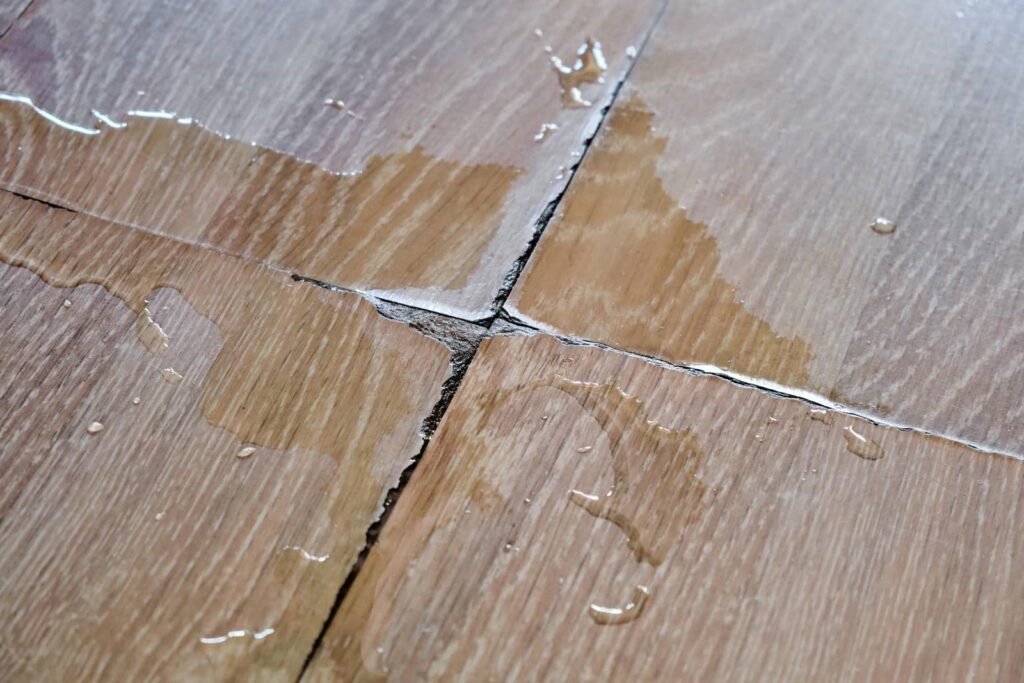
Begin your damage evaluation by walking through each room, noting any visible issues like water stains, structural cracks, or debris. Be methodical; take photos and jot down notes to keep track of everything. This documentation will help you communicate effectively with insurance companies and contractors later.
Next, develop a cleanup strategy based on your findings. Prioritize areas that pose immediate safety risks, such as exposed wires or unstable walls. Focus on removing debris and drying out affected spaces to prevent mold growth.
It’s essential to work together with neighbors and friends during this time; sharing resources and support can lighten the load. Remember, you’re not alone in this process, and fostering a sense of community will make the recovery journey more manageable and less intimidating.
Utilizing Professional Water Extraction Services
After identifying the areas most affected by water damage, it’s time to contemplate professional water extraction services. You might feel overwhelmed by the extent of the damage, but you’re not alone.
These experts specialize in efficient water removal, ensuring that every drop is extracted quickly to prevent further complications. Their advanced equipment can tackle even the most stubborn water accumulation, making your home safer and more comfortable.
Moreover, professional services focus on mold prevention, a critical concern after water damage. Mold can develop rapidly, posing health risks and damaging your property.
By hiring trained professionals, you’re taking a proactive step in safeguarding your home and family. They’ll assess your specific needs, tailor their approach, and guide you through the process with empathy and care.
Implementing Effective Drying Techniques and Equipment
To effectively restore your home after storm damage, implementing the right drying techniques and equipment is essential.
Start by evaluating the affected areas and identifying sources of moisture. Use high-quality drying equipment like dehumidifiers and air movers to enhance moisture control.
Position air movers strategically to maximize airflow, directing them toward damp surfaces to accelerate evaporation.
Monitor humidity levels regularly, ensuring they stay within an ideal range to prevent mold growth. If possible, open windows and doors to promote natural ventilation.
For smaller spaces, consider using desiccant dehumidifiers, which are effective at moisture control without creating excessive noise.
Frequently Asked Questions
How Can I Prevent Future Storm Damage to My Property?
You can prevent future storm damage by implementing effective landscaping techniques and maintaining your property regularly. Trim trees, clear gutters, and reinforce structures to create a safe, welcoming environment for you and your loved ones.
What Should I Do if I Find Mold After Cleanup?
If you find mold after cleanup, don’t panic. Assess the extent and prioritize mold removal. Understand the health risks it poses and consult professionals if necessary. Your safety and well-being are paramount—you’re not alone in this.
Are There Insurance Claims for Storm Damage Cleanup?
Yes, there are insurance claims for storm damage cleanup. You should review your policy for coverage details, document the damage, and follow the claim process promptly to ensure you receive the support you need.
How Long Does the Entire Storm Damage Cleanup Process Take?
The cleanup duration varies, but you can expect several days to weeks. First, conduct a damage assessment to prioritize tasks. Remember, it’s okay to lean on others for support during this challenging time.
What Safety Precautions Should I Take During Cleanup?
During cleanup, think of yourself as a shield against danger. Wear personal protective equipment like gloves and masks, and always check for electrical hazards. Safety is your priority; it protects you and those around you.
Recap
Tackling storm damage requires a structured approach to ensure safety and efficiency. By evaluating the damage, enlisting professional water extraction services, and utilizing effective drying techniques, you can minimize risks and protect your property. Taking these steps aids recovery and fosters a safer environment for you and your loved ones as you rebuild after the storm.