When water damage occurs, mold can start to grow within 24 to 48 hours if not addressed properly. It’s essential to act quickly to assess the situation and take the necessary steps to prevent mold infestations. From removing standing water to ensuring proper ventilation, each action plays an important role in keeping your space safe. Understanding these strategies can make all the difference in maintaining a healthy environment after water damage. So, what’s the best approach to start?
Key Takeaways
- Act quickly to remove standing water to prevent mold growth and mitigate damage.
- Thoroughly dry affected areas using dehumidifiers to control humidity levels between 30-60%.
- Clean and disinfect surfaces with EPA-approved products to eliminate mold spores.
- Regularly inspect for signs of mold growth, especially in hidden areas like basements and attics.
- Use mold-resistant products in moisture-prone areas to reduce the risk of future mold issues.
Assess the Extent of Water Damage
When tackling mold issues, the first step is to assess the extent of water damage in your space. Start by identifying visible signs, such as discoloration on walls or ceilings, which are strong indicators of mold growth.
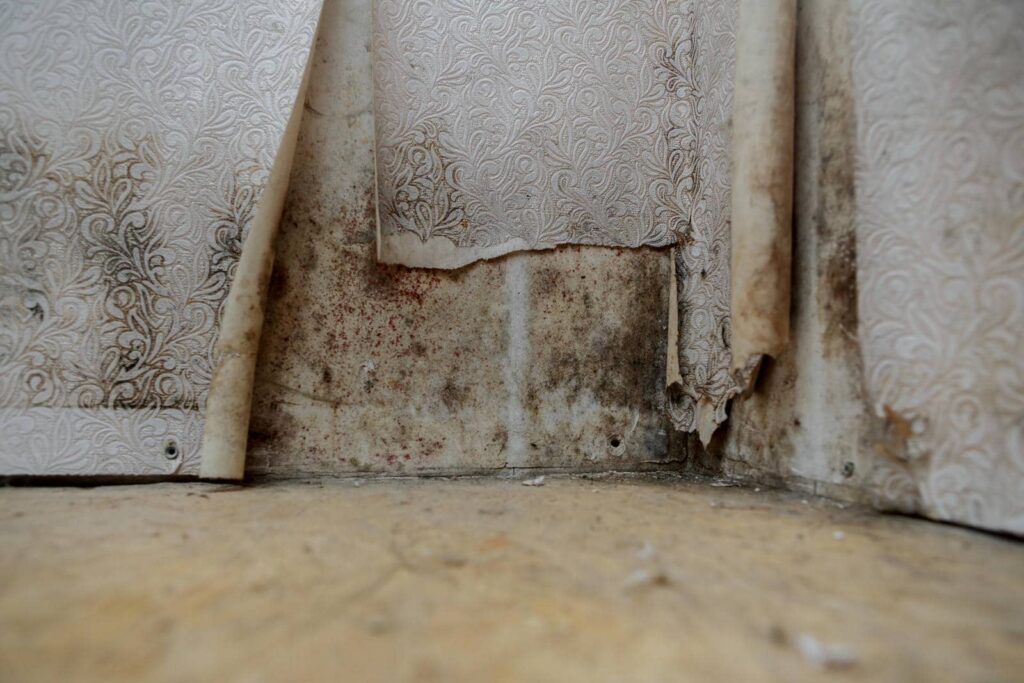
Check for peeling paint or wallpaper, as these can signal trapped moisture beneath the surface. You’ll also want to inspect hidden areas like basements and attics, where water may accumulate unnoticed.
Conducting a thorough water damage assessment involves feeling for dampness in materials and using moisture meters for precise readings.
Don’t forget to examine plumbing fixtures and appliances, as leaks can contribute to mold proliferation. Document your findings to keep track of the affected areas.
By taking these steps, you’ll gain an extensive understanding of the damage, enabling you to tackle the mold problem effectively.
Act Quickly to Remove Standing Water
When you notice standing water, it’s essential to act quickly to prevent mold growth.
First, identify the source of the water to stop it from worsening, then use effective equipment like wet vacuums or pumps to remove the water efficiently.
Taking these steps mitigates damage and protects your space from future mold issues.
Identify Water Sources
To effectively combat mold growth in your home, identifying and addressing water sources is essential.
Start with water detection methods to pinpoint leaks or damp areas that may not be visible. Utilize moisture mapping techniques to understand the extent of the water damage, focusing on walls, ceilings, and floors.
Look for signs such as discoloration, peeling paint, or a musty smell, which can indicate hidden moisture. Act quickly to remove any standing water and address the source of the leak, whether it’s a broken pipe, roof leak, or improper drainage.
Use Effective Equipment
After identifying water sources, it’s time to act swiftly by utilizing effective equipment to remove standing water.
Start by investing in a high-capacity pump or wet/dry vacuum, as these tools are essential for quickly extracting water. Remember, the longer water sits, the higher your risk of mold growth.
While you work, implement mold prevention techniques, like maintaining proper ventilation and using dehumidifiers to reduce humidity levels.
Don’t forget about equipment maintenance; regularly check and clean your tools to ensure they function at peak performance when you need them most.
Dry Out Affected Areas Thoroughly
Once you’ve removed standing water, it’s essential to assess the extent of the water damage to target your drying efforts effectively.
Use dehumidifiers to remove moisture from the air and ensure proper ventilation in all affected spaces to facilitate faster drying.
Assess Water Damage Extent
While water damage can sometimes be hidden from view, it’s vital to assess its extent thoroughly to prevent mold growth.
Start by conducting a thorough water damage assessment, checking for damp areas behind walls, under floors, and in ceilings. Look for discoloration, warping, or a musty odor, as these often indicate moisture retention.
If you’re unsure about the severity, consider a professional evaluation, as experts can use specialized tools to detect moisture levels you might miss.
Addressing even minor water damage promptly is critical. By recognizing the full scope of the problem, you can take effective action to dry out the affected areas and greatly reduce the risk of mold proliferation in your home.
Use Dehumidifiers Effectively
To effectively combat mold growth, using dehumidifiers can be a game-changer in drying out affected areas.
Start by placing your dehumidifier in the most damp spots, ensuring it runs continuously until the humidity levels drop to around 30-60%.
Adjust the dehumidifier settings to maximize efficiency; a higher setting can draw out more moisture quickly.
Regularly monitor the humidity control to confirm it stays within this ideal range, as stagnant air can encourage mold spores to thrive.
Additionally, empty the water reservoir frequently to maintain peak performance.
Ventilate Affected Spaces Properly
After effectively using dehumidifiers, it’s important to ensure that affected spaces are properly ventilated to facilitate thorough drying.
Ensuring good air circulation is vital in preventing mold growth. Open windows and doors to allow fresh air to flow in, and use fans to enhance circulation.
Place fans strategically to direct air towards damp areas, promoting moisture control. If outdoor conditions are favorable, leave windows open for extended periods, as this can greatly speed up the drying process.
Additionally, consider using exhaust fans in bathrooms and kitchens to further enhance ventilation.
Use Dehumidifiers to Control Humidity Levels
Controlling humidity levels is vital in preventing mold growth, and using dehumidifiers is one of the most effective methods to achieve this. By placing a dehumidifier in affected areas, you can considerably reduce moisture in the air, creating an environment that’s less hospitable to mold.
It’s important to select the right dehumidifier size for your space; a unit that’s too small won’t effectively manage humidity control.
Regular dehumidifier maintenance is key to peak performance. Make sure to empty the water reservoir frequently and clean the filter according to the manufacturer’s instructions. This ensures your device runs efficiently, keeping humidity levels in check.
Additionally, monitor humidity with a hygrometer, aiming for levels between 30% and 60%.
With consistent use and proper upkeep, your dehumidifier can be a valuable ally in your mold prevention efforts, helping you maintain a safe and comfortable living space.
Clean and Disinfect Surfaces Properly
Cleaning and disinfecting surfaces properly is essential in preventing mold growth and maintaining a healthy environment.
Start by focusing on surface cleaning in areas affected by water damage. Use warm, soapy water to remove dirt and debris, as this prepares the surface for effective disinfection.
Once cleaned, choose the right disinfectant types—look for EPA-approved products that specifically target mold and mildew. Common options include bleach solutions, hydrogen peroxide, and specialized mold removers.
Always follow the manufacturer’s instructions for dilution and application to ensure effectiveness. Don’t forget to wear protective gear, like gloves and masks, to safeguard your health during the process.
After applying the disinfectant, allow it to sit for the recommended time before rinsing or wiping it away.
Regularly maintaining these practices will help you create a mold-free environment, fostering a sense of safety and community in your home.
Inspect and Remove Damaged Materials
To effectively combat mold, you need to inspect your space for any damaged materials that could harbor spores.
Assess the structural integrity of walls, floors, and ceilings, and don’t hesitate to remove any contaminated items you find.
Once you’ve cleared these areas, make sure to dry them thoroughly to prevent any future growth.
Assess Structural Integrity
One of the most essential steps in stopping mold is evaluating the structural integrity of your home. Conducting a thorough structural evaluation allows you to identify any compromised areas that might foster mold growth.
Look for signs of water damage, such as sagging ceilings, warped walls, or soft spots in the flooring. These issues indicate that an integrity assessment is necessary to determine if repairs or replacements are needed.
Pay particular attention to wooden beams and flooring, as they can absorb moisture and become breeding grounds for mold.
Remove Contaminated Items
As you tackle mold issues, inspecting and removing damaged materials is essential in preventing further contamination.
Start by identifying any items that show signs of water damage, such as carpets, drywall, and furniture. These contaminated items can harbor mold spores, making them a serious risk to your health and home.
When disposing of these materials, follow safe contaminated item disposal methods—seal them in plastic bags to prevent spores from spreading.
Implementing effective mold prevention strategies includes removing these items and evaluating the extent of damage they’ve caused.
Dry Affected Areas
Effective mold prevention starts with thoroughly drying affected areas within 24 to 48 hours of discovering moisture.
You need to act quickly to minimize the risk of mold growth. Here are some effective drying techniques to contemplate:
- Use fans to increase air circulation.
- Dehumidifiers can help remove excess moisture.
- Open windows to promote ventilation.
- Remove wet carpets and furniture for faster drying.
- Inspect and replace any damaged materials, such as drywall or insulation.
Implement Proper Ventilation
While you may not realize it, implementing proper ventilation is essential in preventing mold growth in your home. Effective ventilation techniques help maintain a dry environment by promoting air circulation, which is vital in areas prone to moisture, like kitchens and bathrooms.
Start by ensuring that exhaust fans are functional and used during and after cooking or showering. Open windows when the weather allows, and consider installing vents in rooms that trap humidity.
You can also use dehumidifiers to reduce moisture levels, especially in basements or other damp areas. Make sure that air can flow freely around your home—don’t block vents or airflow paths with furniture or decorations.
Utilize Mold-Resistant Products
To further safeguard your home against mold, think about utilizing mold-resistant products in your construction and renovation projects.
These products can greatly reduce the likelihood of mold growth, especially in areas prone to moisture. Here are some essential options to think about:
Mold-resistant paints: These specially formulated paints contain antimicrobial agents that help inhibit mold growth on walls and ceilings.
Mold-resistant drywall: This type of drywall is designed to resist moisture and mold, making it ideal for bathrooms and basements.
Mold-resistant insulation: Using this type of insulation helps protect your walls from moisture, reducing the risk of mold behind the walls.
Mold-resistant caulk: Apply this caulk in areas like sinks and tubs to prevent moisture from getting trapped.
Mold-resistant flooring: Choosing materials like vinyl or tile can help prevent moisture accumulation in high-humidity areas.
Investing in these products will help create a healthier living environment for you and your loved ones.
Monitor for Signs of Mold Growth
Monitoring for signs of mold growth is essential, especially in areas where moisture levels are high. You should regularly inspect spaces like basements, bathrooms, and kitchens. Look for visible mold patches, which can appear as black, green, or white spots.
Additionally, pay attention to musty odors, as these can indicate hidden mold colonies. Utilizing effective mold detection techniques, such as moisture meters and infrared cameras, can help identify damp areas before mold takes hold.
Don’t forget to check behind appliances and under carpets, as mold often hides in less visible locations. If you notice any discoloration on walls or ceilings, it’s vital to take immediate action.
Consider Professional Mold Remediation Services
If you suspect significant mold growth in your home, considering professional mold remediation services is a smart move.
These experts eliminate mold and provide valuable mold education and a professional assessment of the situation. Tackling mold on your own can be risky, as it may spread or cause health issues.
Here are some benefits of hiring professionals:
- Extensive mold assessment
- Advanced removal techniques and equipment
- Safe handling of hazardous materials
- Prevention strategies to avoid future growth
- Expertise and guidance throughout the process
Frequently Asked Questions
Can Mold Grow in Hidden Spaces After Water Damage?
Yes, mold can definitely grow in hidden spaces after water damage. You should regularly check for hidden moisture and invest in mold detection methods to ensure your home stays safe and healthy for everyone.
How Long Does It Take for Mold to Develop?
Mold can develop within 24 to 48 hours after water exposure. The mold growth timeline varies based on factors influencing mold, like humidity, temperature, and the material’s organic content, so quick action is essential to prevent it.
Is Bleach Effective for Killing Mold?
Bleach can kill mold spores on non-porous surfaces, but its effectiveness for mold removal is limited on porous materials. You should consider other options for thorough mold treatment and prevention.
What Are the Health Risks Associated With Mold Exposure?
Mold exposure can lead to various health risks, including respiratory issues like asthma and chronic coughing. You might also experience mold symptoms such as headaches, fatigue, and skin irritation, affecting your overall well-being and comfort.
Can I Prevent Mold Without Professional Help?
You can prevent mold without professional help, just like shielding a candle from the wind. Use home remedies like vinegar and baking soda, and focus on moisture control to keep your space healthy and comfortable.
Final Thoughts
By taking swift action and following these essential tips, you can protect your home from the insidious threat of mold. Just as Odysseus navigated treacherous waters, you too can steer clear of potential mold disasters. Stay vigilant in monitoring for any signs of growth, and don’t hesitate to seek professional help when needed. With diligence and the right strategies, you can ensure your living space remains safe, healthy, and mold-free for years to come.