
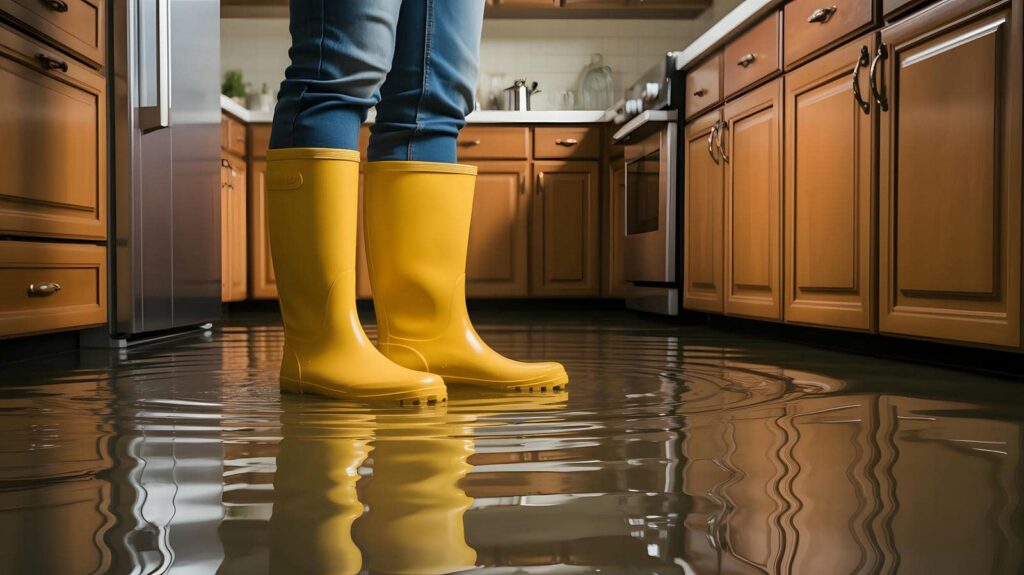
Imagine stepping into a home where the air feels heavy, and the walls bear the scars of water intrusion. Evaluating flood damage isn’t just about what meets the eye; it requires a systematic approach to uncover hidden issues. From moisture meters to thermal imaging, each tool plays a critical role. Understanding how to effectively assess this damage is essential, yet many overlook key steps that could impact recovery. What methods should you consider to guarantee a thorough evaluation?
Key Takeaways
- Utilize moisture meters and thermal imaging cameras to detect hidden water damage within walls and materials.
- Document visible damage with detailed photographs to support insurance claims and recovery efforts.
- Conduct thorough assessments to identify structural integrity issues and potential health risks from mold.
- Employ flood assessment software to organize data and generate comprehensive reports for better resource allocation.
- Consult professionals for extensive damage evaluation, remediation planning, and expert advice on safety and insurance claims.
Understanding the Importance of Flood Damage Evaluation
When floods occur, understanding the importance of damage evaluation becomes essential for effective recovery. You’ll need to assess the flood impact on your property to develop precise recovery strategies.
This process involves identifying structural damage, checking for water infiltration, and evaluating the condition of essential systems, like plumbing and electrical. By being methodical in your evaluation, you can prioritize repairs and allocate resources efficiently.
In addition, documenting the damage not only aids in recovery efforts but also supports any insurance claims. Engaging with professionals can enhance your understanding, ensuring you address all potential issues.
Ultimately, a thorough damage evaluation lays the groundwork for a successful recovery, fostering a sense of security and belonging as you rebuild your environment.
Visible Signs of Flood Damage to Look For in Your Home
When evaluating your home for flood damage, start by checking for water stains on walls, as these can indicate moisture infiltration.
Next, look for signs of mold growth, which often thrives in damp environments and can pose health risks.
Finally, examine your flooring materials for warping or discoloration, as these physical changes can signal underlying water damage.
Water Stains on Walls
Understanding water stain causes is vital; they may arise from a recent flood or lingering leaks. When you notice these stains, it’s essential to assess their extent and the underlying issues. Ignoring them can lead to more significant damage over time.
Wall treatment options include repainting, applying sealants, or even replacing drywall if the damage is severe. By addressing these stains promptly, you protect not only your walls but also your home’s overall integrity, fostering a safe and welcoming environment for you and your loved ones.
Mold Growth Identification
While evaluating flood damage, identifying mold growth is vital, as it can pose serious health risks and further structural issues.
Look for these visible signs in your home:
- Discoloration: Check for dark spots or patches on walls and ceilings.
- Musty Odor: Notice any persistent, unpleasant smells that linger.
- Peeling Paint: Watch for paint that’s bubbling or flaking.
- Condensation: Look for excessive moisture on windows and surfaces.
- Warped Materials: Inspect wood and drywall for bending or swelling.
Addressing these signs promptly is essential.
Implementing mold prevention strategies, like maintaining proper ventilation and reducing humidity, can greatly lower health risks.
Damage to Flooring Materials
As you assess flood damage, examining flooring materials is vital since they can absorb significant amounts of water, leading to lasting issues.
Start by identifying the flooring types in your home, such as hardwood, laminate, carpet, or tile, as each reacts differently to moisture.
Look for visible signs like warping, discoloration, or a musty odor, which indicate potential damage. If you notice soft spots or buckling, it’s important to act quickly.
Repair options vary: hardwood may need refinishing or replacement, while carpets often require cleaning or total replacement.
For tile, check for cracked grout or loose tiles that could signal underlying issues.
Taking these steps helps guarantee a safe and healthy living environment.
Tools for Flood Damage Evaluation
Several effective tools are essential for accurately evaluating flood damage, ensuring that assessments are both thorough and reliable.
Utilizing the right flood assessment tools and damage evaluation techniques can greatly enhance your evaluation process. Here are some key tools you should consider:
Moisture Meters: Measure moisture levels in various materials.
Thermal Imaging Cameras: Detect hidden water damage behind walls.
Digital Cameras: Document visible damage for records.
Flood Assessment Software: Help organize data and create reports.
Geographic Information Systems (GIS): Analyze flood patterns and impacts regionally.
How to Assess Flood Damage Using These Tools?
To effectively assess flood damage, you’ll want to employ a systematic approach that leverages the tools outlined previously. Start by using damage evaluation tools to document the extent of the flooding.
Utilize flood assessment techniques such as visual inspections and moisture detection to identify affected areas. Record measurements and take photos to create a detailed report.
Engage with local experts or community members for insights on historical damage patterns, enhancing your evaluation’s accuracy. Prioritize areas based on severity and potential safety risks.
Finally, compile your findings into a clear, organized format to facilitate discussions with stakeholders. This methodical approach not only fosters a sense of belonging among your team but also guarantees a thorough understanding of the flood’s impacts.
Top Mistakes to Avoid When Evaluating Flood Damage
When evaluating flood damage, overlooking critical factors can lead to inaccurate assessments and costly mistakes. It’s crucial to be aware of common evaluation pitfalls that can skew your understanding. Here are some key mistakes to avoid:
Ignoring hidden damage: Water can seep into walls and floors, causing unseen issues.
Rushing the assessment: Take your time to guarantee you’re not misjudging severity.
Neglecting the environment: Factors like mold growth can lead to long-term problems if overlooked.
Failing to document findings: Accurate records are essential for future reference.
Not consulting experts: Involving professionals can provide valuable insights and prevent costly errors.
Documenting Damage for Insurance Claims
When you’re documenting flood damage for insurance claims, taking detailed photographs is essential.
These images serve as visual evidence to support your case, highlighting the extent of the damage.
Additionally, maintaining an accurate inventory of affected items guarantees you have a thorough record for your claim submission.
Take Detailed Photographs
Taking detailed photographs is essential for accurately documenting flood damage, as these images serve as crucial evidence for insurance claims. By employing effective photographic techniques, you can guarantee thorough damage documentation that supports your case.
Here are some tips to capture the most impactful images:
- Use natural lighting to enhance visibility.
- Capture wide-angle shots of entire rooms or affected areas.
- Focus on specific damage points, like water lines or structural issues.
- Take close-ups of damaged personal items for a personal touch.
- Document the exterior, including landscaping and foundation impacts.
Following these guidelines helps create a thorough visual account of your loss, making it easier for you and your insurance adjuster to assess the situation accurately.
Maintain Accurate Inventory
An accurate inventory of your belongings is essential for maneuvering the insurance claims process after flood damage. Effective inventory management allows you to catalog your items systematically, ensuring nothing is overlooked.
Start by creating a detailed list, categorizing damage by severity—this aids in damage categorization and clarifies your claim’s validity. Include descriptions, purchase dates, and estimated values for each item.
Supplement your inventory with photographs, as visuals strengthen your case. Regularly update this inventory, especially after any significant changes, to maintain its accuracy.
A well-maintained inventory not only expedites the claims process but also enhances your understanding of losses, ultimately ensuring you receive fair compensation for your damaged belongings.
When to Call in Professionals for Flood Damage Evaluation
If you’re facing significant water damage after a flood, knowing when to call in professionals is essential. A professional assessment can help you determine the extent of the damage, especially when it involves hidden risks.
Consider reaching out for emergency response in the following situations:
- The damage exceeds a few inches of standing water.
- Structural elements like walls or floors seem compromised.
- Mold growth appears within 24-48 hours.
- Electrical systems or appliances are affected.
- You’re unsure about the safety of returning to your home.
Frequently Asked Questions
How Long Does It Take to Evaluate Flood Damage?
Evaluating flood damage typically takes days to weeks, depending on the flood assessment timeline and damage evaluation factors like severity, area size, and accessibility. You’ll need thoroughness to guarantee accurate assessments and effective recovery planning.
Can I Do Flood Damage Evaluation Myself?
Yes, you can conduct a DIY evaluation of flood damage. Start by documenting affected areas, evaluating structural integrity, and noting water levels. Use a checklist to guarantee thoroughness, and consider consulting professionals for complex assessments.
What Types of Insurance Cover Flood Damage?
Flood insurance types include National Flood Insurance Program (NFIP) policies and private flood policies, each offering different coverage limits. Understanding these options helps guarantee you’re protected and belong to a community that values preparedness.
Are There Specific Regulations for Flood Damage Assessment?
Yes, there are flood assessment regulations and damage evaluation guidelines you must follow. These standards guarantee consistency and accuracy in evaluations, helping you navigate the complexities of flood damage effectively and securing necessary support.
How Often Should I Evaluate My Property for Flood Risk?
Frequent flood mapping fosters proactive property protection. You should evaluate your property for flood risk at least annually, or after significant weather events, ensuring thorough risk assessments keep you and your community safe and secure.
Recap
Effectively evaluating flood damage is essential for a successful recovery. For instance, a homeowner who relied solely on visual inspections missed hidden moisture, leading to mold growth and costly repairs. By employing tools like moisture meters and thermal imaging, you can uncover these hidden issues early. Documenting your findings thoroughly will strengthen your insurance claims. Remember, addressing both visible and hidden damage guarantees a thorough approach to restoration, setting you on the path to recovery.