
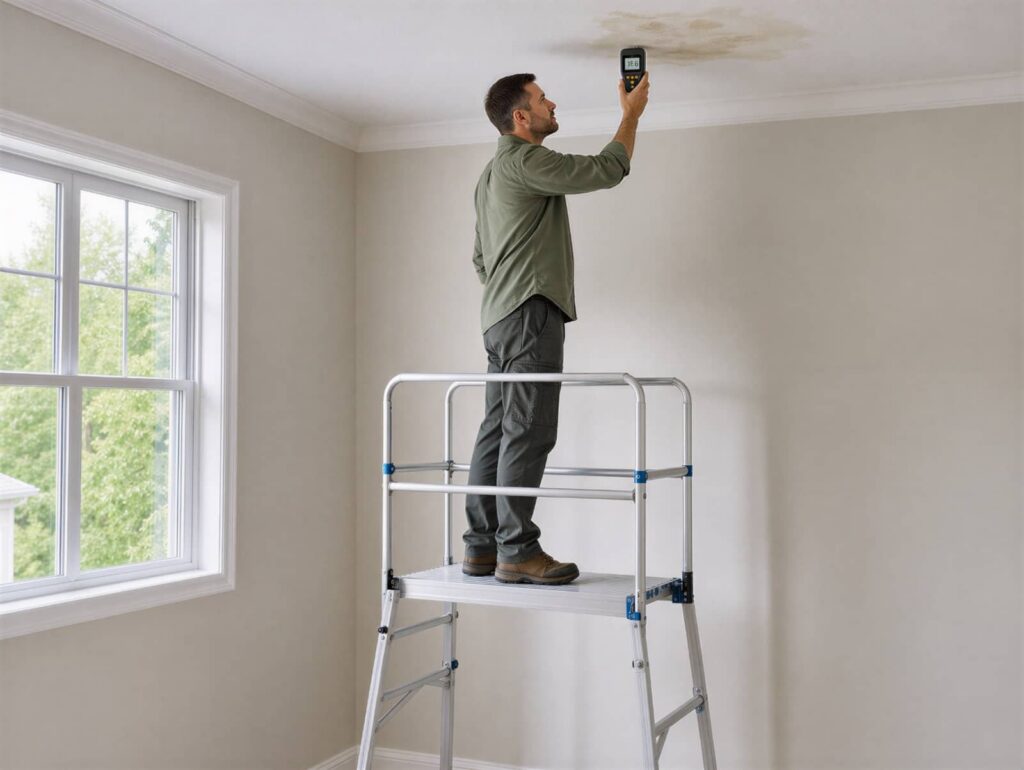
When it comes to ceiling water damage, choosing effective solutions is essential for maintaining your home’s integrity. You might notice discoloration or stains, but ignoring these signs can lead to more significant issues, like mold growth and structural weakening. Acting quickly addresses immediate problems and safeguards your investment. Understanding the right steps to take can make all the difference in your restoration journey. So, what should you consider next?
Key Takeaways
- Effective solutions prevent further structural damage, ensuring the integrity of your home is maintained and safeguarded.
- Swift intervention reduces the risk of mold growth, protecting both health and property value.
- Timely repairs can minimize repair costs, saving homeowners from expensive long-term consequences.
- Choosing reliable services enhances insurance coverage, streamlining claims and ensuring proper compensation for damages.
- Quick response fosters a sense of security in the community, promoting trust in safety measures against water damage.
Understanding Ceiling Water Damage and Its Causes
When you notice a stain on your ceiling, it’s essential to understand that it often signals underlying water damage, which can stem from various sources. Identifying the water source is critical for effective remediation.
Common culprits include leaky roofs, plumbing issues, or even condensation from HVAC systems. Moisture detection plays an important role in pinpointing the problem; using tools like moisture meters can help you assess the extent of the damage.
What Are the Signs of Ceiling Water Damage?
Ceiling water damage can manifest in several noticeable signs, alerting you to potential issues. Look for water stains, which often appear as dark spots or streaks.
If you notice mold growth, it’s a clear indication of excess moisture. Ceiling sagging is another red flag, signaling that water has compromised structural integrity.
Peeling paint may also occur, indicating that the underlying material is damp. Additionally, a musty odor often accompanies such damage, hinting at mold or mildew.
Be cautious of electrical hazards, as water can damage wiring and lead to shorts.
Finally, insulation issues may arise, affecting your home’s energy efficiency. Recognizing these signs early can help you address problems before they escalate.
Why Timely Water Damage Solutions Matter
Addressing water damage promptly is vital, as delays can lead to more severe consequences. When you act quickly, you minimize the potential for structural damage, mold growth, and costly repairs.
Effective emergency preparedness ensures that you’re ready to tackle unforeseen incidents, protecting your home and loved ones. Plus, timely action can greatly influence your insurance coverage—many policies require prompt reporting to qualify for claims.
By prioritizing immediate solutions, you safeguard your property and streamline the claims process. You’ll foster a sense of security and belonging within your community, knowing you’ve taken responsible steps to protect your environment.
Don’t underestimate the importance of swift action; it’s a key component of maintaining a safe and healthy home.
How to Prevent Further Issues With Effective Solutions
To effectively prevent further issues from water damage, it’s vital to implement immediate and targeted solutions. Start by identifying and repairing any sources of water leakage; this is essential for long-term water leakage prevention. Check your roof, plumbing, and windows regularly to catch any potential issues early.
Next, employ moisture control techniques throughout your home. Use dehumidifiers in damp areas, and ensure proper ventilation in spaces like bathrooms and kitchens.
Sealing cracks and gaps in walls can also mitigate moisture intrusion. By taking these proactive steps, you protect your property and create a healthier living environment for you and your loved ones.
How to Select a Reliable Water Damage Repair Service
When selecting a reliable water damage repair service, it’s essential to check their credentials and experience to ensure they’re qualified to handle your situation.
Additionally, assess their response time effectiveness; a prompt reaction can greatly minimize further damage.
Making informed choices in these areas will set you on the right path to recovery.
Check Credentials And Experience
How can you ensure that the water damage repair service you choose is both qualified and trustworthy? Start by checking the contractor’s qualifications; verify their licenses, certifications, and any specialized training in water damage restoration. This confirms they’ve the expertise to handle your situation effectively.
Next, look into their insurance coverage. A reliable service should carry liability and workers’ compensation insurance, protecting you from any potential liabilities during the repair process.
Don’t hesitate to ask for references or examples of past work, as these can provide insight into their reliability and professionalism.
Assess Response Time Effectiveness
Effective response time is essential in water damage situations, as delays can worsen the extent of the damage and increase repair costs.
When selecting a reliable water damage repair service, prioritize companies that ensure a swift response. Look for those that offer 24/7 availability, ensuring they can address emergencies promptly.
Ask potential services about their average response time and how quickly they can conduct a damage assessment. A fast assessment allows for quicker mitigation, reducing long-term impacts on your property.
Customer reviews can also provide insight into their reliability. By choosing a service with proven response efficiency, you’re not just protecting your home; you’re also securing peace of mind knowing that help is just a call away.
Common Methods for Ceiling Water Damage Restoration
Although ceiling water damage can seem overwhelming, several effective restoration methods can help you reclaim your space.
First, employ drying techniques such as dehumidifiers and fans to eliminate moisture quickly. This step is essential to prevent mold growth and further damage.
Once the area is dry, assess the extent of the damage. For minor issues, you might use repair materials like spackle or drywall compound to patch up cracks or holes.
If the damage is more severe, consider replacing entire sections of the ceiling. Always make sure you’re using appropriate materials that match your existing ceiling finish.
With these methods, you can restore your ceiling efficiently and create a safe, inviting environment for you and your loved ones.
Frequently Asked Questions
Can I Handle Ceiling Water Damage Repairs Myself?
You can handle ceiling water damage repairs yourself, but beware of common mistakes. Use DIY repair tips like evaluating damage thoroughly and ensuring proper drying. Taking these steps can lead to a successful and satisfying repair experience.
How Long Does Ceiling Water Damage Restoration Take?
Ceiling water damage restoration can feel like an eternity, but it usually takes a few days to a week. Effective restoration techniques and mold prevention strategies ensure you’ll reclaim your space without lingering issues.
Will My Insurance Cover Ceiling Water Damage Repairs?
Yes, your insurance might cover ceiling water damage repairs, depending on your policy. Review the insurance claim process and check your water damage coverage for specific details. Don’t hesitate to reach out for clarity.
What Materials Are Best for Ceiling Repairs?
For ceiling repairs, consider water-resistant materials like moisture-resistant drywall or cement board. These options enhance durability against future leaks, ensuring your ceiling remains intact and visually appealing. Prioritize quality to foster a sense of belonging in your space.
Is It Safe to Stay in My Home During Repairs?
It’s generally safe to stay during repairs, but ensure water safety by avoiding affected areas. Communicate with your contractors about the repair process so you feel secure and informed throughout the entire project.
Conclusion
Ultimately, choosing effective ceiling water damage solutions is essential for safeguarding your home. For instance, a homeowner who promptly addressed a leaking roof prevented mold growth and saved thousands in potential repairs. By acting swiftly and selecting a reliable repair service, you protect your property’s value and ensure a safer living environment. Don’t underestimate the importance of timely intervention; it can make all the difference in preserving your home’s integrity and comfort.