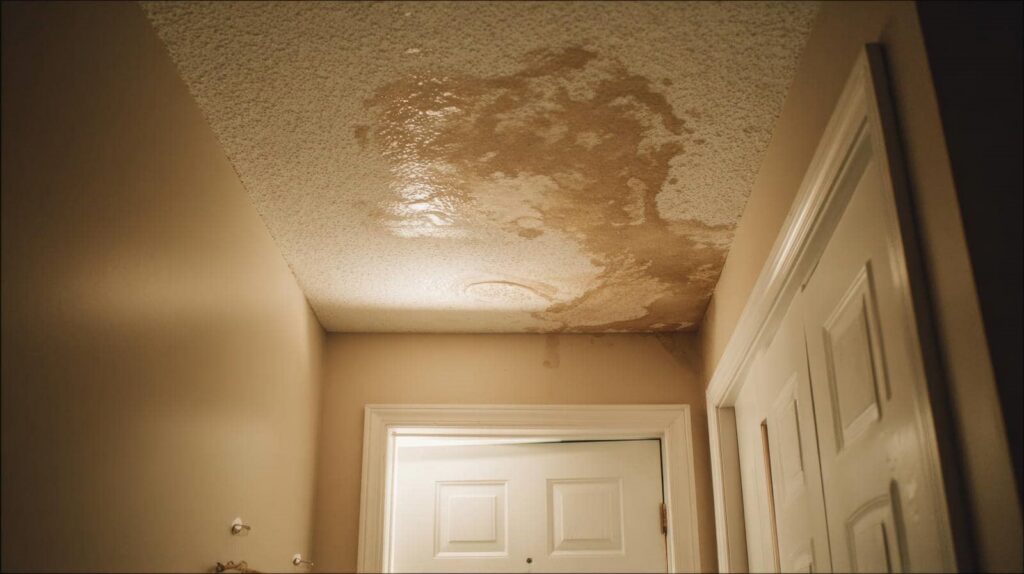
When you discover water damage on your ceiling, it’s essential to understand what it might cost to repair it. Typically, expenses range from $300 to $1,000, but several factors can influence this estimate. From the source of the leak to the materials needed, each element plays a role in the final price. Before making any decisions, consider whether to tackle the repair yourself or hire a professional—your choice can greatly impact costs.
Key Takeaways
- Repair costs for ceiling water damage typically range from $300 to $1,000, depending on severity and size.
- Material choices and repair techniques, like patching or drywall replacement, significantly influence overall expenses.
- DIY repairs may save money for minor damage, but professional help ensures quality and safety.
- Insurance coverage can affect out-of-pocket costs; understand your policy limits and exclusions.
- Accurate damage assessments and multiple contractor quotes can help prevent unexpected expenses.
Understanding the Average Costs of Ceiling Water Damage Repair
When dealing with ceiling water damage, understanding the average repair costs can help you budget effectively.
Typically, you’ll find that repair costs range from $300 to $1,000, depending on the severity and size of the damage. Common repair techniques include patching, replacing drywall, or even installing new ceiling tiles.
Your material choices greatly impact your expenses; for instance, opting for budget-friendly drywall can save you money, while higher-end materials might enhance aesthetics but increase costs.
Additionally, consider whether you’ll DIY or hire professionals, as labor costs play an essential role.
Key Cost Factors for Ceiling Water Damage Repair
Several key factors influence the cost of repairing ceiling water damage, and knowing them can help you avoid unexpected expenses.
First, the water source—whether from a burst pipe or roof leak—affects the extent of damage and necessary repair materials.
A thorough damage assessment will determine how much work is needed, influencing labor costs.
The choice of drying techniques also plays a role; effective methods can reduce further damage and mold prevention efforts.
Additionally, consider repair timelines, as quicker repairs might be more expensive but can prevent additional issues.
Finally, insurance factors can impact out-of-pocket expenses, so check your policy to see what’s covered.
Understanding these elements can help you budget effectively for repairs.
Should You DIY or Hire a Pro for Ceiling Water Damage Repair?
How do you decide between tackling ceiling water damage repair yourself or hiring a professional? Start with the project scope.
If it’s minor, DIY benefits like cost savings and a sense of accomplishment may appeal to you. However, consider the skill requirements and repair techniques involved. If you lack experience, the potential for costly mistakes might outweigh the savings.
Professional expertise comes with safety considerations and access to better material choices, ensuring long-term solutions.
Evaluate the time investment as well; a pro can often complete the job faster. Ultimately, a cost comparison between DIY and hiring a pro will help you make an informed decision that fits your needs and comfort level.
Getting Accurate Estimates for Ceiling Water Damage Repair
What factors should you consider to get accurate estimates for ceiling water damage repair? Understanding these elements can help you make informed decisions:
- Extent of Damage: Assess how severe the water damage is; this greatly influences cost.
- Material Costs: Different materials will impact your budget; ceiling tiles, paint, and insulation vary in price.
- Labor Rates: Local contractor quotes can differ; always compare estimates to find competitive pricing.
- Estimation Tools: Utilize online calculators or apps to get preliminary estimates before contacting professionals.
Frequent Pitfalls That Raise Ceiling Repair Expenses
While many homeowners focus on the visible aspects of ceiling water damage, overlooking hidden issues can lead to unexpected repair expenses.
One common pitfall is failing to address hidden mold, which can thrive in moist environments and complicate repairs. If you don’t identify this early, it could increase both your repair timeline and costs considerably.
Additionally, neglecting to assess the underlying plumbing or roofing issues may result in repeated damage, forcing you to spend more in the long run.
It’s vital to conduct thorough inspections and enlist professionals to catch these hidden concerns. By being proactive, you’ll minimize costs and ensure a safer, healthier living space for you and your family.
What to Expect From Insurance Coverage for Water Damage Claims
When you face water damage, understanding your insurance coverage is essential.
You’ll need to navigate the claims process, which can vary greatly based on your policy’s coverage limits and common exclusions.
Knowing what to expect can help you effectively manage your repair costs and minimize unexpected expenses.
Claim Process Overview
Steering through the claim process for water damage can be intimidating, but understanding what to expect can make it much easier.
Begin by gathering essential claim documentation to support your case. Here’s a quick overview of the steps involved:
Report the damage: Notify your insurance provider as soon as possible.
Document everything: Take photos and keep receipts for repairs and temporary fixes.
Submit your claim: Complete the necessary forms, including all relevant claim documentation.
Engage in insurance negotiations: Be prepared for discussions about the extent of the damage and your coverage.
Coverage Limits Explained
Understanding your coverage limits is essential when dealing with water damage claims. Different coverage types, such as dwelling, personal property, and liability, can impact how much you receive.
For instance, dwelling coverage typically pays for repairs to the structure, while personal property coverage helps replace your belongings. It’s vital to know your claim limits, as these define the maximum amount your insurer will pay for damages.
Be sure to review your policy to identify any caps on specific events, like flooding or leaks. This knowledge empowers you to make informed decisions and helps manage expectations during the claims process.
Common Exclusions Identified
While insurance can provide essential support for water damage claims, it’s important to be aware of common exclusions that could affect your coverage. Knowing these can save you from unexpected expenses later.
Here are key exclusions to watch for:
Mold Remediation: Many policies don’t cover mold damage resulting from water leaks.
Wear and Tear: Damage due to aging or lack of maintenance on ceiling materials often isn’t covered.
Flood Damage: Standard policies typically exclude damages from flooding unless you have additional coverage.
Negligence: If the damage is due to a lack of proper care, your claim may be denied.
Understanding these exclusions helps you navigate your policy effectively and ensures you’re better prepared.
Cost-Effective Solutions to Prevent Future Water Damage
To effectively prevent future water damage, it’s essential to implement proactive measures that safeguard your home. Start with regular inspections to catch potential issues early.
Focus on preventative maintenance, checking for leaks or wear in plumbing systems. Installing moisture barriers in basements and crawlspaces can keep excess humidity at bay.
Consider effective drainage solutions around your property to redirect water away from your foundation. Don’t forget roof repairs; a well-maintained roof prevents leaks that can lead to ceiling damage.
Finally, schedule routine plumbing checks to confirm everything functions properly. By taking these steps, you protect your home and foster a sense of belonging within your space, knowing you’re caring for your environment.
Frequently Asked Questions
How Long Does Ceiling Water Damage Repair Typically Take?
Ceiling water damage repair typically takes one to three days, depending on the extent of the damage assessment. You’ll want to ensure thorough drying and proper repairs to prevent future issues, so patience is key.
What Signs Indicate Ceiling Water Damage?
You’ll notice signs of ceiling water damage like dark water stains, peeling paint, or bubbling drywall. If you spot mold growth, it’s essential to act quickly to prevent further issues and protect your home.
Can I Claim Water Damage Repair on My Taxes?
Yes, you can claim water damage repair on your taxes, but it often depends on whether you’ve filed insurance claims. Tax deductions might be available, so consult a tax professional to maximize your benefits.
Are There Health Risks Associated With Ceiling Water Damage?
Yes, there are health risks associated with ceiling water damage. Mold growth can trigger allergies and respiratory issues, while compromised structural integrity may lead to accidents. Addressing these problems quickly ensures safety and well-being for everyone.
What Materials Are Commonly Used for Ceiling Repairs?
Ever wondered what materials can fix your ceiling? Common options include drywall, plaster, and ceiling tiles, using various repair techniques like patching or replacing. Choosing the right materials ensures a durable, seamless finish that feels like home.
Wrap-Up
Understanding ceiling water damage repair costs, weighing DIY versus professional help, and managing insurance claims can save you time and money. By addressing repairs promptly, evaluating damage thoroughly, and investing in preventative measures, you can protect your home and budget. Remember, being proactive today can prevent costly repairs tomorrow, and informed choices now lead to peace of mind later. Stay vigilant, stay informed, and ensure your ceiling remains safe and sound for years to come.