
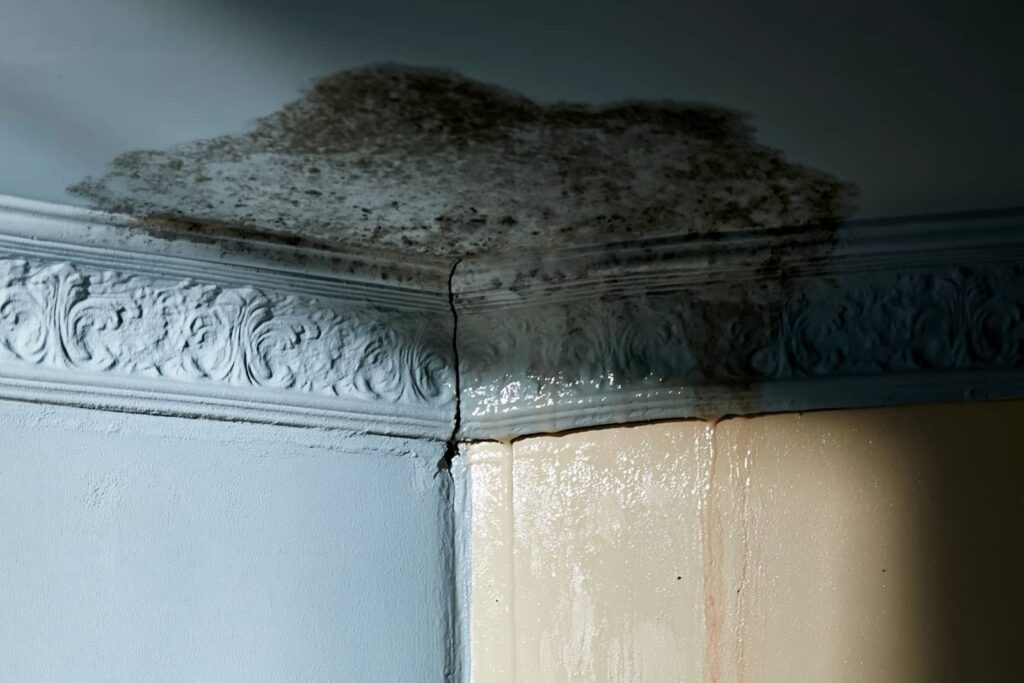
When you spot stains, peeling paint, or a sagging ceiling, you’re looking at more than a surface issue. Water damage repair service identifies the source, extracts moisture, dries structures, and restores damaged materials before mold and rot spread. The real challenge is knowing what gets fixed first, and what gets left behind.
Key Takeaways
- Water damage repair service fixes leaks, removes water, and restores damaged materials after flooding, plumbing failures, or roof leaks.
- It includes drying, dehumidification, moisture mapping, and inspection to prevent mold and hidden structural damage.
- Technicians locate the source of the water intrusion and stop it before starting cleanup and repairs.
- Services often involve removing damaged drywall, insulation, trim, and other unsalvageable materials.
- A good service provides fast emergency response, accurate moisture readings, and full restoration from damage to final repair.
What Ceiling Water Damage Repair Includes
Ceiling water damage repair includes locating the moisture source, stopping the leak, and evaluating how far the damage has spread before any cosmetic work begins.
You then protect the room, remove weakened ceiling materials, and dry the structure with targeted airflow and dehumidification.
Next, you inspect framing, insulation, and fasteners for corrosion, rot, or delamination, then choose repair techniques that match the substrate and finish.
If you belong to a team managing the home, you’ll appreciate a methodical process that prevents repeat failures and helps you regain a clean, stable ceiling.
After drying, you patch, tape, sand, and prime damaged areas, then repaint to match adjacent surfaces.
Finally, you verify moisture levels are acceptable before closing the job.
Signs Your Ceiling Has Water Damage
You can often spot ceiling water damage by looking for stains or discoloration, especially yellow, brown, or rust-colored patches that spread around a leak source.
You may also notice sagging or bubbling, which means moisture has weakened the drywall or plaster and trapped water beneath the surface.
If you see either sign, you should inspect the area quickly to prevent further structural damage and mold growth.
Stains and Discoloration
A single water stain can signal a much larger leak above the ceiling. You’ll often notice yellow rings, brown patches, or faint gray shadows that spread as moisture keeps moving.
These marks usually mean water has soaked the drywall or plaster, so you need to inspect fast and protect your home crew from extra damage.
- Check the stain edges for softening.
- Compare the color against older marks.
- Look for new spots after rain.
- Schedule stain removal and discoloration treatment before mold starts.
If you belong to a shared building, tell your manager or neighbors right away, because the source may be nearby.
Quick action helps you document the problem, limit repairs, and keep your ceiling looking solid and clean.
Sagging or Bubbling
When water collects above the drywall, the ceiling can start to sag or form bubbles as the material loses strength and the finish separates from the surface.
You’ll often notice a soft spot, a wavy line, or a blister that grows after leaks, storms, or plumbing failures. Don’t press on it; you could rupture the drywall and worsen the damage.
Use moisture detection tools to confirm hidden dampness, then isolate the source and reduce interior humidity. If the ceiling bows, the structural integrity may already be compromised, so treat it as urgent.
You’re not dealing with a cosmetic issue—you’re protecting your home and everyone in it.
Contact a water damage repair service quickly so you can restore safety, prevent collapse, and return to a dry, secure space.
Common Causes of Ceiling Leaks
Ceiling leaks usually start when you have damaged shingles, failed flashing, clogged gutters, or a compromised roof membrane that lets water enter the attic or ceiling cavity.
You can also get leaks from plumbing pipe failures, such as corroded supply lines, loose fittings, or cracked drain pipes inside walls or above the ceiling.
When you inspect the source, check for active drips, stained framing, and moisture around penetrations so you can isolate the failure quickly.
Roof Leak Issues
Roof leaks often start long before you see stains indoors, and even a small breach can let water track along rafters, sheathing, insulation, and framing before it finally shows up on your ceiling.
You can protect your home by checking the roof system regularly and acting fast when you spot damage.
- Inspect missing, cracked, or curled shingles after storms.
- Clear debris from valleys, gutters, and downspouts so water drains freely.
- Check flashing around chimneys, vents, and skylights for gaps or lifted edges.
- Apply roof maintenance tips and preventive measures, like trimming overhanging branches and sealing exposed fasteners.
When you catch these issues early, you reduce hidden moisture, protect your space, and keep your household feeling secure and connected.
Plumbing Pipe Failures
Leaking pipes can drip for a long time before you notice a stain, and the water often travels through joists, insulation, and drywall before it reaches the ceiling below.
You should inspect supply lines, drain joints, and fittings for corrosion, loose connections, and pinhole cracks. Hard water, freezing, high pressure, and vibration can weaken copper, PVC, or galvanized pipes, causing hidden failures in walls and attics.
Good pipe maintenance includes insulating exposed runs, replacing aging valves, and checking pressure regulators.
For leak detection, watch for musty odors, recurring damp spots, and unexplained meter movement when fixtures are off.
If you catch damage early, you protect your home, reduce repair costs, and stay connected to neighbors who know how disruptive ceiling leaks can be.
How Ceiling Water Damage Repair Works?
When water stains, sagging drywall, or bubbling paint appear overhead, ceiling water damage repair starts with finding and stopping the moisture source, then evaluating how far the damage has spread. You’ll work with trusted pros who match the fix to your ceiling materials and budget.
Inspect framing, insulation, and surface finishes for hidden saturation.
Remove damaged drywall, plaster, or acoustic tile with clean edges.
Dry the cavity with airflow, dehumidification, and moisture readings.
Patch, prime, and repaint after verifying stable repair costs.
You’ll get a safer, cleaner ceiling when each layer is restored correctly.
Because you belong in a home that works, the process focuses on structural soundness, material compatibility, and a precise finish that blends with the rest of your room.
Why Fast Ceiling Repairs Matter
Fast ceiling repairs matter because even a small leak can quickly soak insulation, weaken drywall, and invite mold growth behind the surface.
When you act fast, you limit structural stress, protect electrical runs above the ceiling, and keep moisture from spreading into adjacent rooms. A prompt emergency response also reduces staining, sagging, and odor that can make your space feel unsafe or neglected.
Your repair timeline should start with drying, inspection, and controlled demolition if needed, so hidden damage doesn’t linger.
You’re not just fixing a ceiling—you’re protecting your home’s comfort, safety, and value. Fast action helps you stay ahead of bigger problems and keeps your household connected to a clean, stable environment.
What Gets Fixed During the Repair
During a water damage repair, technicians fix the source of the intrusion, remove wet or unsalvageable materials, and restore damaged surfaces once the structure is dry. You’ll see targeted work that keeps your property safe and consistent with the rest of your space.
Water extraction from flooring, carpets, and cavities.
Drywall, insulation, and trim removal where swelling or staining won’t recover.
Mold remediation in damp, hidden areas to limit spread and odor.
Structural repairs for framing, subfloors, and finishes after moisture readings drop.
You’re not just patching damage; you’re getting a systemized repair that returns your home to a stable, comfortable condition.
Technicians also clean affected contents, seal exposed materials, and verify everything’s ready for final restoration.
When to Call a Water Damage Pro
Call a water damage pro as soon as you notice standing water, recurring leaks, soaked drywall, warped flooring, or a musty odor that suggests hidden moisture. You’re likely dealing with water damage that can spread behind walls and under finishes fast.
A pro can assess moisture levels, map the affected areas, and set a realistic repair timeline before structural materials deteriorate further. If power outlets, HVAC components, or insulation are wet, don’t wait.
You need trained technicians with meters, extraction equipment, and drying systems to protect your home and keep your household included in the recovery plan. Prompt service reduces secondary damage, limits microbial growth, and helps you avoid guesswork when decisions about cleanup, drying, and restoration come next.
How to Prevent More Ceiling Damage
To prevent more ceiling damage, stop the source of the leak first, then limit the amount of water reaching the affected area. You’ve got this, and quick action keeps your home safer and your repairs smaller.
Place buckets, tarps, or plastic sheeting under the wet spot to catch drips.
Turn off nearby water lines or HVAC components if they’re feeding the leak.
Use fans and a dehumidifier to reduce moisture in the room.
Schedule regular inspections of plumbing, roofing, and attic spaces to catch weak points early.
These preventative measures help you protect joists, drywall, and insulation from further saturation.
If the ceiling sags, crackling sounds grow louder, or stains spread, isolate the room and monitor it closely. Staying alert lets your household respond as one team.
How to Choose the Right Repair Service
When you’re choosing a water damage repair service, start by verifying that the company handles both structural drying and full restoration, not just surface cleanup.
Ask which repair service types they offer, including moisture mapping, dehumidification, antimicrobial treatment, and material replacement.
You should confirm they use calibrated meters and document drying progress, because accurate readings protect your home and your claim.
Check that technicians hold proper certifications and can explain each step in plain language.
Read customer reviews for patterns in response time, professionalism, and follow-through, not just star ratings.
If you need to feel supported during a stressful loss, choose a team that communicates clearly, arrives quickly, and treats your space like their own.
Make sure they provide written estimates and a timeline before work begins.
Frequently Asked Questions
How Much Does Water Damage Repair Service Usually Cost?
You’ll usually pay $1,200 to $5,000, but cost factors like water type, damage extent, and drying needs shift pricing. Your service options range from basic extraction to full restoration, helping you stay protected and included.
Does Insurance Cover Water Damage Repair Service?
Yes, insurance can cover water damage repair service, but only when your policy and the claims process align; like a locked door, coverage limits decide access. You’ll need documentation, prompt reporting, and policy review.
How Long Does Water Damage Repair Service Take?
You’ll usually need 3-10 days, but your water damage timeline depends on severity, materials, and drying equipment. Your repair process can add days for demolition, cleanup, and rebuild, so act fast and stay connected.
Can Water Damage Repair Service Prevent Mold Growth?
Yes—if you act fast, you can prevent mold growth. Time’s money: you’ll need mold prevention strategies like rapid drying, dehumidification, and antimicrobial treatment to limit water exposure effects and protect your home and people.
Is Water Damage Repair Service Available 24/7?
Yes, you can usually reach water damage repair service 24/7, and you’ll get emergency response fast. Technicians use restoration techniques to limit damage, dry materials, and help you protect your home and community.
Review
When you spot a stain, sag, or drip, you need to act fast. Ceiling water damage repair isn’t just patching drywall—it’s tracing the leak, drying the structure, and stopping mold before it spreads. I’ve seen a small brown ring on a ceiling turn into a full-room repair after one storm. Like catching a cracked pipe before it bursts, quick action protects your home, your health, and your budget.