
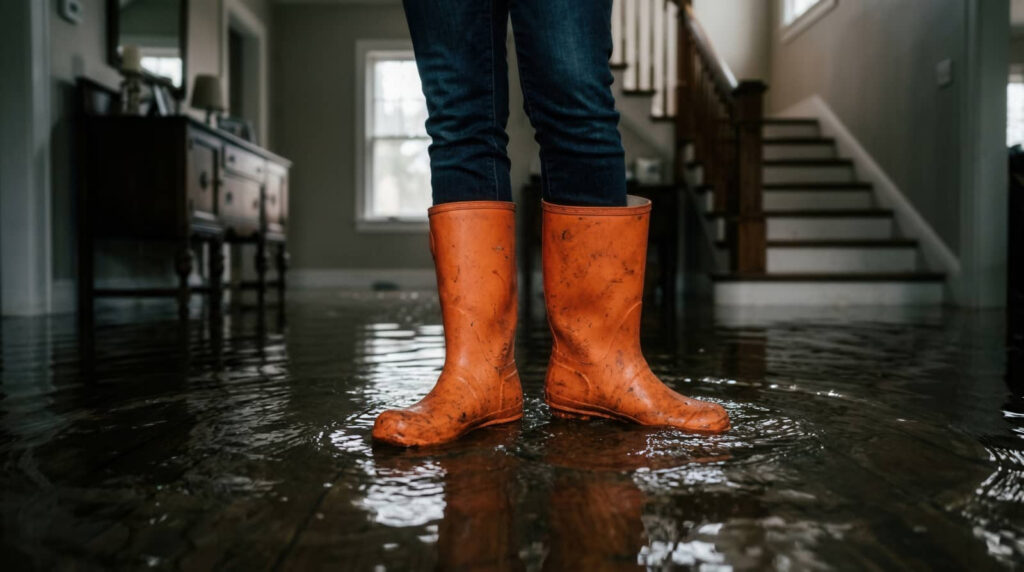
When House Flooding occurs, you need to act fast because water can quickly move into walls, subfloors, insulation, and personal belongings. The longer you wait, the more likely you are to face structural damage, electrical hazards, and mold growth within 24 to 48 hours. Quick cleanup can help limit repair costs and protect your home, but the first few steps matter most when you’re trying to prevent a much bigger problem.
Key Takeaways
- Acting fast limits water from spreading into drywall, flooring, insulation, and framing, reducing overall damage and repair costs.
- Quick cleanup helps prevent mold growth, which can begin within 24 to 48 hours after flooding.
- Prompt drying removes hidden moisture behind walls and under floors, protecting structural integrity and indoor air quality.
- Immediate action helps salvage furniture, valuables, and belongings before warping, staining, or contamination occurs.
- Fast response also supports safer recovery, better insurance documentation, and earlier return home.
Why Fast Flood Cleanup Matters
When floodwater enters your home, every minute counts because moisture quickly spreads into drywall, flooring, insulation, and framing.
You need fast cleanup to limit structural deterioration, microbial growth, and concealed moisture that can worsen the flood impact behind walls and under floors.
Acting quickly also shortens your recovery timeline, helping you return to a safer, more stable home with less disruption.
You’re not just removing visible water; you’re protecting materials that can absorb contaminants and weaken fast.
When you respond early, you give your home the best chance of drying evenly, reducing repair complexity and lowering long-term costs.
In a crisis, quick action helps you stay in control and move forward with confidence as part of a community that understands what recovery takes.
Stop More Water Damage
You need to stop additional water intrusion right away to protect framing, drywall, and flooring from structural damage.
Remove standing water, open affected cavities, and dry hidden moisture in walls, subfloors, and insulation before it spreads.
Fast action also cuts the risk of mold growth, which can start within 24 to 48 hours.
Prevent Structural Damage
Stop the water at its source and limit movement through the house immediately, because every minute of delay can worsen structural damage.
You need to shut off utilities if it’s safe, then keep occupants out of sagging rooms, warped floors, and areas with visible cracking.
Check load-bearing walls, beams, and the subfloor for shifts, because compromised structural integrity can spread fast.
Support doors that won’t close properly and watch for separation at joints, which can signal foundation stability problems.
Mark hazardous zones and document changes so you and your restoration team can act with confidence.
When your home’s frame stays stable, your community can help you recover faster and safer.
Dry Hidden Moisture
Even after visible standing water is gone, hidden moisture can keep spreading damage behind walls, under flooring, and inside insulation.
You need to treat this hidden humidity as an active threat, because it can travel through drywall seams, baseboards, and subfloors long after the flood.
Use moisture detection tools to check cool spots, wall cavities, and low areas where water collects out of sight.
Open cabinets, pull back rugs, and remove wet padding so air can move freely.
Run dehumidifiers and fans to lower indoor moisture fast, and keep checking readings until they stay stable.
If you act quickly, you protect your home’s structure and join other prepared homeowners who stop more water damage before it grows worse.
Stop Mold Growth
Once hidden moisture lingers in walls, floors, and insulation, mold can start growing within 24 to 48 hours and spread fast through damp materials. You’ve got to act now to protect your home and your people.
Focus on immediate drying, because every wet surface raises contamination risk and weakens air quality. Follow these mold prevention strategies:
- Remove soaked drywall, carpet, and padding.
- Run dehumidifiers and fans continuously.
- Open windows only if outdoor air is dry.
- Disinfect hard surfaces after drying.
Check hidden cavities, under baseboards, and behind cabinets for odor or spotting. If you keep humidity below 50%, you cut mold’s fuel and improve air quality.
Fast response helps you stop more water damage, reduce cleanup costs, and keep your household safe, comfortable, and included in a healthier space together.
Dry Out the Flooded House
Remove standing water immediately with pumps, wet vacs, or mops so moisture doesn’t keep spreading into materials.
Open windows, run fans and dehumidifiers, and increase airflow fast to speed evaporation.
Check hidden spaces like wall cavities, under flooring, and behind cabinets, because trapped water can fuel mold and structural damage.
Remove Standing Water
Standing water fuels mold, weakens building materials, and can keep damage spreading long after the flood peaks. You need rapid water extraction to protect your home and your crew.
Check pump operation before you start, then remove pooled water from floors, crawl spaces, and low spots without delay.
- Shut off power to wet areas.
- Use a submersible pump or wet vac for deeper water.
- Move extracted water safely away from the structure.
- Recheck hidden pockets under cabinets and baseboards.
You’re not handling this alone; fast, methodical removal gives your house the best chance to recover.
Keep documenting what you clear, because that record helps you stay organized and informed while you work through the damage.
Increase Airflow Quickly
With the standing water gone, you need to move air through the house fast to slow mold growth and help wet materials dry before damage spreads. Open windows and doors if outdoor air is dry, and set box fans to push air across floors, walls, and furniture.
Use air circulation techniques that create a steady crossflow, not dead zones. Turn on exhaust fans in kitchens and bathrooms, and run the HVAC fan only if it won’t spread contamination.
These ventilation strategies help lower humidity and speed evaporation. Keep pathways clear so air can reach every room, and replace soaked filters if needed.
Work with your household as a team, stay alert, and act now; every hour you save reduces repair costs and protects your home.
Dry Hidden Spaces
Don’t stop at the visible wet surfaces; you need to dry hidden spaces fast, because moisture trapped inside walls, under flooring, behind baseboards, and in cabinets can keep feeding mold and structural damage.
You’re protecting your home when you use moisture detection tools and inspect for hidden leaks before they spread. Join the homeowners who act decisively:
- Remove wet baseboards and open wall cavities.
- Pull up damp flooring and padding.
- Use dehumidifiers and fans to push out trapped humidity.
- Check cabinets, closets, and crawlspaces daily.
If materials stay damp, call a remediation pro now.
You belong to a group that doesn’t wait for odors or staining; you verify dryness, document readings, and keep drying until every concealed space is stable and safe.
Prevent Mold After Flooding
As soon as the water recedes, you need to dry the affected area fast because mold can begin growing within 24 to 48 hours.
Set up fans, open windows if outdoor air is dry, and run dehumidifiers to keep humidity control steady.
Scrub visible contamination with detergent and water, then apply an EPA-registered fungicidal cleaner where needed.
Replace wet insulation and porous materials that stayed soaked.
For strong mold prevention, keep indoor relative humidity below 50% and monitor it with a hygrometer.
Wear gloves, an N95 respirator, and eye protection while you work.
If you act now, you protect your home’s air quality and help your household stay safe, healthy, and together.
Protect Floors and Belongings
Once you’ve slowed mold growth, move fast to protect floors and belongings before water causes permanent damage. You need immediate floor protection to limit warping, staining, and adhesive failure.
Lift rugs, mats, and furniture legs off wet surfaces, then place foil or plastic barriers under feet to stop transfer. For belongings salvage, sort items by material and exposure level so you can save what’s still stable.
- Remove standing water from hard floors.
- Dry wood with fans and airflow.
- Bag wet textiles separately.
- Wipe valuables and documents dry.
Keep your crew organized, label salvage piles, and move cleaned items to a dry room. Every minute counts, and decisive action helps your home recover faster.
When to Call Water Cleanup Pros
If floodwater has soaked drywall, insulation, subfloors, or electrical systems, you should call water cleanup pros right away. You’re facing hidden water damage that can spread fast, and their emergency response can limit structural loss and mold.
They’ll bring cleanup equipment to extract water, dry cavities, and document conditions for insurance claims. That support helps you meet homeowner responsibilities while keeping your restoration timeline on track.
Don’t wait if you smell musty odors, see warped materials, or suspect contaminated water; health risks rise quickly.
Professional services also help you understand cost implications, compare repair options, and follow local regulations for disposal and permits. Act now so you stay protected, informed, and part of a prepared community.
Frequently Asked Questions
How Soon Should Insurance Be Contacted After a House Flood?
Contact your insurer immediately after a house flood—ideally within hours—so you can start the flood insurance claim process, document damage, and protect coverage. You’ll join a community of prepared homeowners who act fast.
What Safety Checks Are Needed Before Entering a Flooded Home?
You should inspect structural integrity, electrical hazards, and gas leaks first; one inch of floodwater can cause major damage. Wear safety gear, like boots and gloves, and don’t enter until authorities say it’s safe.
Which Documents Should Be Photographed for Flood Damage Claims?
You should photograph your insurance policies, receipts, home inventory, waterlines, structural damage, appliances, and all affected rooms for damage assessment. You’ll strengthen claims, prove losses, and support faster recovery with clear, dated evidence.
Can Floodwater Damage Electrical Wiring Even After Drying?
Yes—floodwater can still damage electrical wiring after it dries. You need wiring inspections now, because hidden corrosion and insulation failure can create electrical hazards. Don’t wait; you’re protecting your home and everyone who belongs there.
How Do I Know if Floodwater Reached Hidden Wall Insulation?
You’ll know by opening a wall inspection, checking for hidden moisture with a meter, and feeling for cold, damp insulation. You should act fast, because trapped water can spread damage and mold silently.
Review
Act fast after flooding, or water will happily keep doing what water does: seep, swell, warp, and invite mold in for an unscheduled stay. You need to stop the source, dry the house, and save floors, walls, and belongings before damage multiplies by the minute. If the mess is beyond a quick cleanup, call water cleanup pros right away. Speed isn’t optional here; it’s the difference between recovery and a long, costly disaster.