When water invades your home, swift action is crucial. You need to assess the damage, identify moisture sources, and implement effective water removal extraction techniques. Using pumps and dehumidifiers can drastically reduce drying time and prevent further complications like mold growth. Understanding these strategies is essential for restoring your property and ensuring a safe living environment. But what specific methods should you prioritize to maximize your efforts?
Key Takeaways
- Perform an initial assessment to identify moisture sources and document structural damage for effective remediation planning.
- Utilize submersible and portable pumps for swift water extraction based on flooding severity.
- Implement air movers and dehumidifiers strategically to enhance airflow and facilitate rapid drying.
- Prioritize safety by wearing appropriate PPE and assessing electrical hazards in affected areas.
- Conduct a thorough final inspection to ensure all moisture is eliminated and check for potential mold growth.
Understanding the Importance of Rapid Water Removal
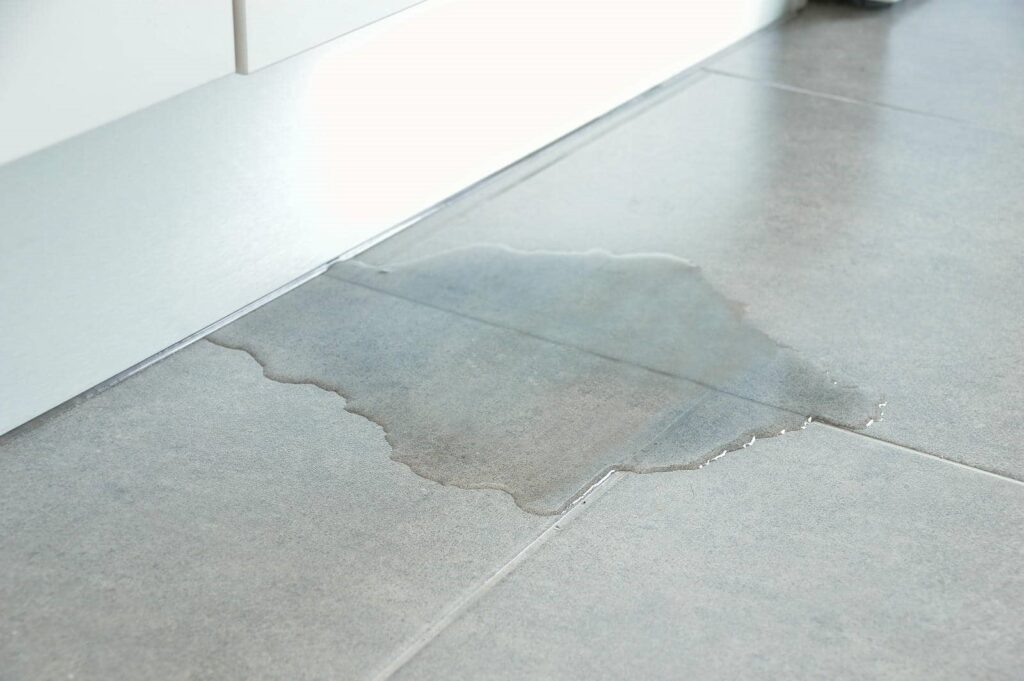
When water infiltrates a structure, the urgency of rapid removal can’t be overstated. You need to act quickly to mitigate water damage and prevent secondary issues like mold growth and structural weakening.
Every minute counts, as stagnant water can seep into materials, leading to irreversible damage. By prioritizing swift action, you safeguard your property and protect your investment and health.
Restoration urgency is key to effective recovery. If you delay, you risk escalating repair costs and prolonged disruption to your life.
Equipped with the right tools and knowledge, you can efficiently remove water and begin the drying process. Consider using industrial fans and dehumidifiers to expedite moisture removal.
In a community that values shared experiences, understanding the necessity of rapid water removal fosters a sense of belonging, as you take decisive steps to restore your home and well-being.
Initial Assessment of Water Damage
Before you start any water removal efforts, it’s vital to conduct an initial assessment of the damage to your property.
Begin your water damage assessment by inspecting all affected areas, including walls, ceilings, and flooring. Look for signs of moisture, such as discoloration or warping, as these indicate the extent of the damage.
Next, prioritize moisture source identification. Determine if the water intrusion comes from a broken pipe, flood, or another source. Identifying the source is essential to prevent further damage and ensure effective remediation.
Document your findings with photos and notes, as this information can be invaluable for insurance claims and restoration planning.
Safety Precautions During Water Removal
When you begin water removal, prioritize your safety by using appropriate personal protective equipment (PPE).
Ascertain you’re aware of electrical hazards in the area, as water and electricity can create dangerous conditions.
Taking these precautions helps you work efficiently while minimizing risks.
Personal Protective Equipment
While tackling water removal, prioritizing personal protective equipment (PPE) is essential to ensure your safety and health.
Start by wearing protective gear such as gloves, goggles, and waterproof boots to prevent exposure to contaminants that may be present in floodwaters. A mask can also protect you from inhaling mold spores and other harmful particles.
Familiarize yourself with safety protocols before beginning the process; these will help you assess risks and determine the appropriate PPE for your specific situation.
Ascertain that your gear is in good condition and fits properly.
Electrical Safety Measures
Ensuring electrical safety is essential during water removal, especially since water and electricity can create hazardous conditions.
Before you begin, turn off power to affected areas at the circuit breaker. Always check that electrical systems, including outlets and cords, are dry and safe to use.
Avoid using electrical tools in wet environments, as this increases the risk of shock. Use battery-operated lights instead of extension cords to illuminate your workspace.
If you notice any signs of damaged wiring or circuits, contact a licensed electrician immediately.
By prioritizing circuit safety and following these precautions, you can protect yourself and your home while effectively removing water.
Utilizing Pumping Techniques for Water Extraction
Effective water removal hinges on the strategic use of pumping techniques, which can greatly expedite the extraction process.
To tackle excess water, you’ll want to choose the right pumping methods based on the severity of the flooding and the space involved. Submersible pumps are ideal for deep water, while portable utility pumps work well for smaller volumes.
Before you begin, verify you’ve assessed the area for electrical hazards and prepared your equipment. Connecting hoses to the pump allows for efficient water extraction, directing the flow to a safe drainage location.
Keep an eye on the pump’s capacity and performance; it’s essential to maintain consistent operation to avoid overloading.
Finally, monitor the water level and adjust your approach as needed. Utilizing these pumping techniques not only speeds up the process but also helps prevent further damage to your home, fostering a quicker return to normalcy.
Employing Dehumidifiers for Effective Drying
To achieve effective drying after water removal, employing dehumidifiers is essential.
You’ll need to understand the different types available, their ideal placement for maximum performance, and key maintenance tips to ensure they operate efficiently.
This knowledge will help you maximize the drying process in your space.
Types of Dehumidifiers
While moisture control is essential in various environments, understanding the types of dehumidifiers available can greatly enhance your drying efforts.
Two primary types are desiccant dehumidifiers and refrigerant dehumidifiers.
Desiccant dehumidifiers use hygroscopic materials to absorb moisture from the air, making them ideal for low-temperature settings or spaces with high humidity.
They operate quietly and are energy-efficient, perfect for ongoing maintenance in your home.
On the other hand, refrigerant dehumidifiers work by cooling the air, causing moisture to condense and collect in a reservoir.
These are effective in warmer environments and are commonly used for rapid water removal.
Knowing which type suits your needs ensures you effectively tackle moisture issues and create a healthier living space.
Placement for Maximum Efficiency
For perfect drying results, you must place dehumidifiers strategically within the affected area. Effective equipment placement enhances your water removal techniques and accelerates the drying process.
Follow these guidelines for best results:
- Position dehumidifiers in the center of the room for maximum airflow.
- Make sure they’re placed away from walls and furniture to avoid obstruction.
- Direct airflow towards wet surfaces to enhance moisture extraction.
- Use multiple units in larger areas to cover all damp spots.
Maintenance and Operation Tips
Proper maintenance and operation of dehumidifiers is key to achieving ideal drying results. To ensure your water removal tools function effectively, establish regular maintenance schedules.
Start by checking and cleaning filters every few weeks to prevent airflow restrictions. Monitor the humidity levels in your space; dehumidifiers work best when humidity is above 60%.
Position your dehumidifier centrally in the affected area for maximum airflow. Empty the water reservoir frequently or, if available, use a continuous drainage option.
Regularly inspect the unit for leaks or unusual noises, which could indicate a malfunction. By adhering to these practices, you’ll enhance the performance of your dehumidifiers and accelerate the drying process, safeguarding your home from further damage.
Implementing Air Movers to Enhance Airflow
To effectively reduce moisture levels in affected areas, implementing air movers is essential for enhancing airflow. By strategically placing air movers, you can create dynamic airflow patterns that facilitate rapid evaporation and drying.
Different air mover types, such as axial, centrifugal, and low-profile, each serve specific functions in your restoration efforts.
Consider the following when using air movers:
- Placement: Position air movers to direct airflow toward wet surfaces.
- Angle: Adjust the angle to maximize coverage and reach.
- Quantity: Use multiple units to increase airflow and efficiency.
- Duration: Run air movers continuously until moisture levels are adequately reduced.
Addressing Structural Damage and Mold Prevention
While you focus on drying out affected areas, it’s crucial to address any structural damage and prevent mold growth. Start by inspecting walls, floors, and ceilings for signs of water damage. Look for warping, discoloration, or soft spots, as these can compromise your home’s structural integrity. If you find significant damage, consult a professional for necessary repairs.
Next, thoroughly clean and disinfect all surfaces that were exposed to water. Mold can begin to grow within 24-48 hours, so act quickly. Use antifungal sprays or solutions to treat areas prone to mold growth, especially in hidden spots like behind drywall or beneath floorboards.
Ensure proper ventilation and maintain low humidity levels to inhibit mold spores. By taking these proactive steps, you’ll safeguard your home’s structure and create a healthier living environment for you and your loved ones.
Final Steps for Home Restoration and Repair
As you move toward the final steps of home restoration and repair, it’s essential to assess the overall condition of your property after water damage.
Conducting a thorough final inspection can help ensure everything is in order before you move back in. Use a restoration checklist to keep track of your progress and confirm that no detail is overlooked.
Here are key areas to focus on:
- Check for lingering moisture in walls and floors.
- Verify that all appliances and electrical systems are functioning properly.
- Inspect for mold growth in hidden areas, like behind cabinets.
- Ascertain proper ventilation and air quality throughout the home.
Frequently Asked Questions
How Quickly Should Water Be Removed After Flooding Occurs?
You should remove water immediately after flooding to minimize water damage. Every hour counts, as prolonged exposure can lead to structural issues and mold growth. Acting swiftly protects your home and ensures a safe environment.
What Types of Pumps Are Best for Home Water Removal?
When tackling water removal, submersible pumps and sump pumps excel for residential use. Portable pumps offer convenience, while trash pumps handle debris. Hydraulic pumps are powerful, ensuring you’ve got the right tools for effective water extraction.
Can I Use My Home Vacuum for Water Extraction?
You can’t effectively use your home vacuum for water extraction due to its limitations. Instead, consider alternative methods such as wet/dry vacuums or pumps, which are specifically designed for water removal and ensure thorough, safe extraction.
How Do I Know if My Home Is Dry Enough?
To know if your home is dry enough, use a moisture measurement tool. Ascertain proper air circulation throughout the space. If readings are consistent and low, you can confidently say your home’s moisture levels are acceptable.
What Should I Do if Mold Starts to Grow?
If mold starts to grow, act quickly. Use mold prevention techniques like controlling humidity, ventilating spaces, and applying remediation techniques such as scrubbing surfaces with detergent. Make certain you’re addressing the source of moisture effectively.
Summary
In the race against time, swift water removal acts as your home’s shield, much like a knight defending a castle. By promptly evaluating damage, employing effective extraction techniques, and using dehumidifiers and air movers, you can thwart the advance of mold and structural issues. Remember, taking these decisive actions preserves your property and ensures a healthier living environment. Don’t let water be the villain in your home’s story; act quickly and restore your sanctuary.