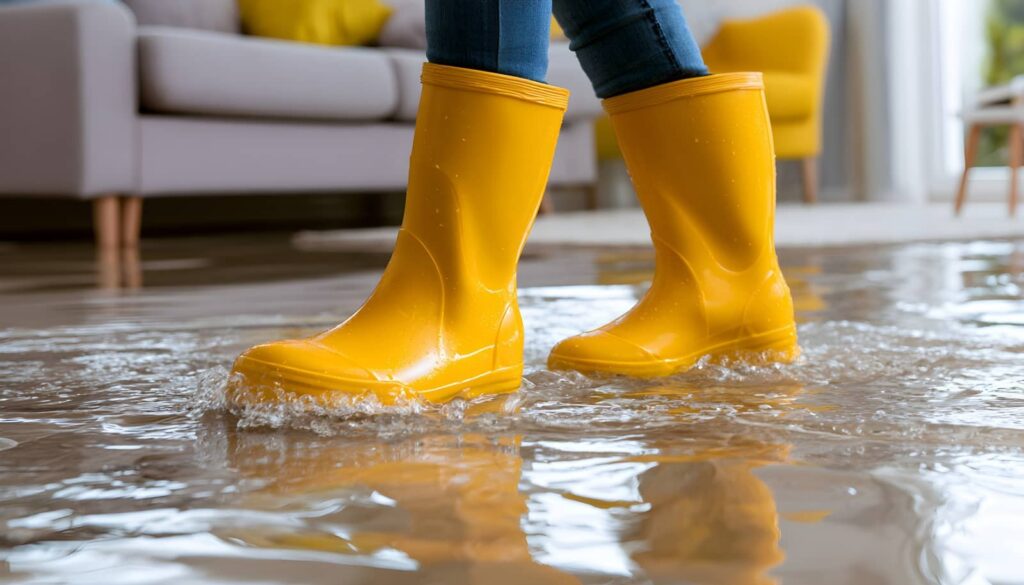
Your home sits in silence, ankle-deep in muddy water, and every minute deepens the damage. Flooded home water damage cleanup is the controlled process you use to make the structure safe, remove standing water, dry hidden moisture, sanitize affected surfaces, and address mold and repairs. It starts with immediate safety checks and ends with restoration, but the most critical steps often happen out of sight.
Key Takeaways
- Flooded home water damage cleanup is the process of removing water, drying the structure, and preventing further damage.
- It starts only after authorities confirm the home is safe to enter.
- Cleanup includes documenting damage, shutting off utilities, and removing standing water quickly.
- Professionals use pumps, vacuums, dehumidifiers, and air movers to extract moisture and dry hidden areas.
- Final cleanup involves sanitizing surfaces, removing unsalvageable materials, and repairing or replacing damaged components.
What to Do After a Flooded Home
As soon as the floodwater recedes, you should act quickly to reduce structural damage, limit mold growth, and protect electrical and personal safety.
Enter only when authorities say it’s safe, then document visible damage with photos and notes for insurance claims. If you can, shut off utilities, open windows for ventilation, and remove standing water with pumps or wet vacuums.
Discard soaked porous items that can’t be sanitized. Wear gloves, boots, and a respirator to protect yourself from contamination. Keep children and pets away from affected areas.
Gather emergency kits, clean water, and essential documents in a dry, secure place. Contact your insurer, a qualified restoration team, and trusted neighbors who can help you stay organized and supported.
The First 24 Hours After Flood Damage
During the first 24 hours after flood damage, you need to stabilize the space fast: stop further water intrusion, verify that all utilities are safe to use, and begin rapid drying to limit structural deterioration and mold growth.
Your initial response should prioritize safety, documentation, and communication with emergency contacts, including your insurer, utility provider, and restoration team.
You should remove wet contents from contact with floors, protect undamaged materials, and keep traffic through affected areas to a minimum.
Monitor humidity, temperature, and visible moisture so you can track changing conditions.
If you act decisively now, you’ll reduce secondary damage and keep the recovery process organized.
Stay connected with the professionals who support you; coordinated action helps your home and household move forward together.
How Pros Remove Water and Dry Your Home
Pros first perform water extraction to remove standing water with pumps, vacuums, and targeted suction equipment.
Then they use structural drying steps, including air movement, dehumidification, and moisture monitoring, to reduce hidden dampness in walls, floors, and framing.
You’ll get a controlled drying process that helps limit secondary damage and supports safe restoration.
Water Extraction Process
Once the area is safe, technicians begin by identifying standing water, moisture migration, and the materials most at risk. Then they use high-capacity pumps, wet vacuums, and truck-mounted extraction systems to remove water quickly.
During water removal, they document your damage assessment, map affected zones, and target hidden pockets behind trim, under cabinets, and within carpet padding. You’ll stay informed as they verify moisture readings, prevent cross-contamination, and separate salvageable items from losses.
Their process protects your home’s layout and keeps your crew aligned through each step.
- Fast extraction limits secondary damage
- Targeted tools reach confined spaces
- Moisture mapping guides decisions
- Documentation supports claims
- Clear communication builds trust
Structural Drying Steps
After extraction, technicians shift to structural drying by setting up air movers and dehumidifiers to pull moisture from framing, subfloors, drywall, and other porous materials.
You’ll get a structural assessment to locate hidden saturation, check humidity, and identify materials that can still be saved.
Pros place drying equipment for maximum airflow, then adjust temperature, ventilation, and dehumidification to speed evaporation without causing secondary damage.
They monitor moisture readings daily, compare them to baseline levels, and reposition units as needed.
This controlled process helps your home dry evenly, protects indoor air quality, and reduces the chance of mold growth.
You’re kept informed throughout, so you know what’s happening and when your space is ready for repairs.
How to Clean and Stop Mold After Flooding
Because mold can begin growing within 24 to 48 hours after flooding, you need to remove wet materials, clean all affected surfaces, and dry the area as quickly as possible.
Use cleanup techniques that fit the material: scrub hard surfaces with detergent and water, then disinfect if the product label allows it. For mold prevention, keep humidity low and run fans and dehumidifiers until everything feels dry.
- Wear gloves, goggles, and an N95 respirator
- Bag porous items that stayed wet
- Wash salvageable fabrics in hot water
- Ventilate rooms with open windows
- Inspect hidden spaces behind baseboards
You’re protecting your home and helping your household feel safe again. If you smell mildew, repeat cleaning and drying immediately.
What Flood Damage Repairs Usually Include
Flood damage repairs usually include removing unsalvageable materials, drying structural components, cleaning contaminated surfaces, and restoring affected building systems.
You’ll also see contractors inspect framing, insulation, flooring, drywall, electrical, plumbing, and HVAC parts for hidden damage. Your crew may sanitize salvageable areas, replace compromised finishes, and document conditions for insurance review.
If moisture lingers, you can face secondary deterioration that drives repair costs higher, so timely work matters. You’re not alone in this process; a qualified team helps you compare what can be restored versus what must be replaced, keeping your home safe and functional.
Clear scope, measured drying, and precise material replacement usually define the repair plan after flood damage.
How to Protect Your Home From Future Flooding
To reduce the risk of repeat damage, you should identify how water entered the home and address those pathways with targeted upgrades. You’ll protect your home faster when you combine exterior grading, sealed foundation cracks, and backflow prevention with reliable drainage systems.
Install flood barriers at doors, vents, and low openings to block surge water. Keep gutters clear, extend downspouts, and verify that sump pumps discharge well away from the structure.
- Inspect the roofline and foundation after storms
- Test sump pumps before rainy seasons
- Replace damaged weatherstripping and seals
- Elevate utilities above known flood levels
- Review local flood maps and setback rules
When you act early, you join a prepared group of homeowners who reduce loss, shorten cleanup, and stay ready for the next storm.
Frequently Asked Questions
How Much Does Flooded Home Water Damage Cleanup Typically Cost?
You’ll typically pay $1,200-$5,000 for flooded home water damage cleanup, depending on severity, materials, and labor. Water damage restoration teams assess the cleanup process, then you’ll get a precise quote before work starts.
Does Homeowners Insurance Cover Flood Cleanup and Repairs?
Usually, your homeowners policy doesn’t cover flood cleanup or repairs; you’ll need flood insurance. Check your coverage limits, because exclusions can feel like a disaster movie. You’ll protect your home and fit right in.
Can I Stay in My House During Water Damage Cleanup?
You can stay only if safety precautions are met; otherwise, arrange temporary living arrangements. You’ll need dry, clean, structurally sound spaces, no electrical hazards, and limited airborne contaminants during cleanup to protect your household.
How Long Does Flood Odor Removal Usually Take?
You’ll usually need one to three days, though stubborn flood odor sources can linger longer—how rude. You can speed results with odor removal techniques, but deep saturation, hidden moisture, and porous materials often extend cleanup.
What Items Should Be Discarded After Flooding?
Discard soaked drywall, insulation, carpet, mattresses, food, medications, and any porous items you can’t fully clean. You should follow flood recovery tips and mold prevention by removing damaged contents quickly to protect your home and community.
Wrap-Up
In the wake of a flooded home, you can move from upheaval to recovery with a clear, methodical cleanup plan. By documenting damage, removing water promptly, drying thoroughly, and sanitizing affected surfaces, you reduce the risk of lingering issues and hidden deterioration. With timely repairs and practical flood-prevention measures, you’ll restore your home’s stability and protect it from future moisture events. Each careful step helps turn a difficult disruption into a managed, measurable recovery.