When your home floods, selecting the right water mitigation equipment is essential for effective recovery. You’ll need portable and submersible pumps to quickly eliminate standing water. Air movers and dehumidifiers play an important role in drying out the space and controlling humidity levels. Knowing which equipment to use and when can greatly impact the restoration process. Understanding these tools is just the beginning; let’s explore each one in detail.
Key Takeaways
- Portable Pumps: Utilize submersible or trash pumps for efficient removal of standing water, especially in basements and hard-to-reach areas.
- Air Movers: Deploy air movers to enhance air circulation, accelerating moisture evaporation and preventing secondary damage.
- Dehumidifiers: Implement refrigerant or desiccant dehumidifiers to maintain indoor humidity levels between 30% and 50%, improving air quality.
- Infrared Cameras: Use infrared cameras to accurately identify leaks and damp spots, prioritizing repairs and moisture mitigation efforts.
- Safety Gear: Equip yourself with waterproof boots, gloves, masks, and goggles to ensure protection from hazards during the cleanup process.
What Tools Do I Need for Immediate Flood Response?
When a flood strikes, having the right tools on hand can make all the difference in your immediate response.
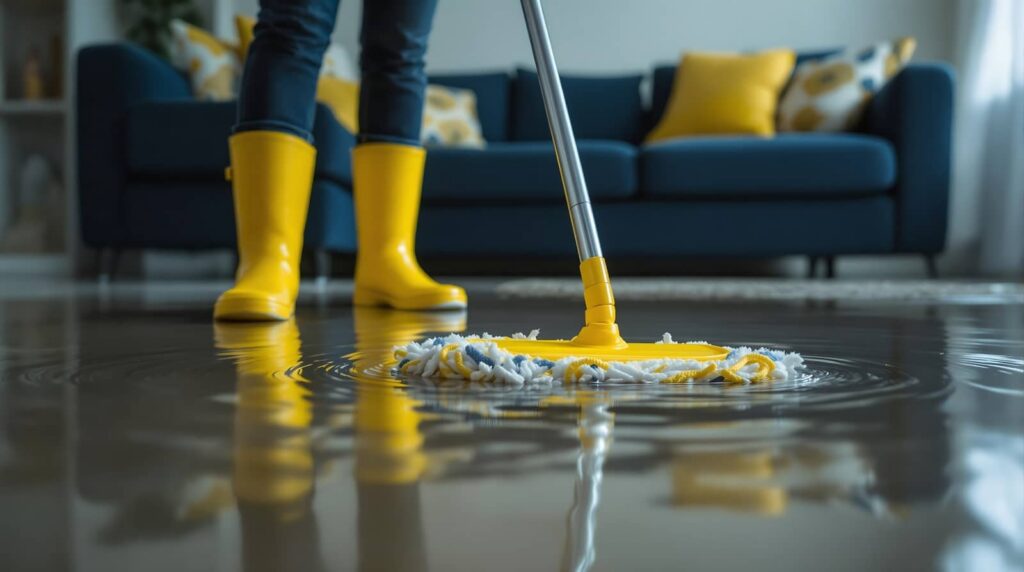
First, a sturdy pair of waterproof boots is essential for your safety as you navigate through waterlogged areas.
Next, a reliable flashlight helps you see in low visibility conditions, allowing you to assess damage effectively.
You’ll also need a heavy-duty trash bag for debris removal and a first aid kit for any injuries that might occur during your flood response efforts.
Additionally, a multi-tool can be invaluable for various tasks, from cutting materials to making quick repairs.
Finally, a battery-operated or hand-crank radio keeps you informed about weather updates, ensuring you’re ready for immediate action in a crisis.
How Portable Pumps Help Remove Standing Water
Portable pumps are essential for efficiently removing standing water from flooded homes.
Understanding the different types of pumps available and their operational efficiency can greatly impact your water mitigation efforts.
We’ll also cover key setup and operation tips to maximize their effectiveness in your situation.
Types Of Portable Pumps
While standing water can pose serious risks to your home, employing the right type of portable pump can effectively mitigate damage.
Submersible pumps are ideal for deep water removal, as they operate underwater and efficiently eliminate standing water.
Trash pumps excel at handling debris-laden water, making them perfect for flooded basements.
Diaphragm pumps are versatile, suitable for both clean and dirty water, providing flexibility for various situations.
Electric pumps are convenient for residential use, offering reliability and ease of operation.
If you need more power, gas-powered pumps deliver higher capacities, ideal for large-scale flooding.
Efficiency In Water Removal
Efficient water removal is essential for minimizing damage after flooding, and using the right pumps can greatly enhance this process. Portable pumps are among the most effective water removal techniques available. They quickly eliminate standing water, which is critical in preventing mold growth and structural damage.
By employing high-capacity pumps, you can expedite flood recovery strategies, allowing you to restore your home sooner. These pumps are designed to handle various water levels, making them versatile for different scenarios. Additionally, their mobility lets you target hard-to-reach areas, ensuring thorough water extraction.
When you invest in quality portable pumps, you not only protect your property but also create a safer environment for your family, reinforcing your commitment to home safety.
Setup And Operation Tips
Setting up and operating portable pumps effectively can greatly enhance water removal from flooded areas.
First, confirm you perform equipment calibration according to the manufacturer’s specifications for peak performance. Adjust the pump’s settings to match the water conditions, considering both flow rate and pressure.
Before you start, always follow safety protocols: wear protective gear, verify electrical connections are safe, and check for potential hazards in the area.
Position the pump at the lowest point to maximize water extraction, and use hoses that are appropriately sized to minimize blockages.
Monitor the pump’s performance regularly, adjusting as needed.
Why You Need Air Movers to Dry Out Your Home
When your home suffers water damage, quick action is essential to prevent mold growth and structural issues.
Air movers play a critical role in this process by enhancing air circulation and facilitating moisture removal. These powerful fans create a continuous airflow across wet surfaces, accelerating the evaporation of water.
The more air circulation you achieve, the faster your home dries out, minimizing the risk of secondary damage. Positioning air movers strategically guarantees that all affected areas receive adequate airflow, including carpets, walls, and furniture.
By investing in air movers, you not only speed up the drying process but also protect your home’s integrity and your peace of mind.
Don’t underestimate their importance in your water mitigation strategy.
The Role of Dehumidifiers in Moisture Control
Dehumidifiers play an essential role in controlling moisture levels after flooding.
You’ll need to understand the different types of dehumidifiers available, the best humidity levels for your home, and how to maintain these units for peak performance.
Addressing these aspects will help you effectively manage moisture and prevent further damage.
Types Of Dehumidifiers
While managing moisture levels in flooded homes, understanding the types of dehumidifiers available is essential for effective water mitigation.
There are primarily two dehumidifier types: refrigerant and desiccant. Refrigerant dehumidifiers cool air, condensing moisture for efficient removal, making them ideal for warmer climates. They’re often energy-efficient, providing good performance without excessive power use.
Desiccant dehumidifiers, on the other hand, utilize moisture-absorbing materials, making them suitable for colder environments. They excel in low-temperature settings but may consume more energy.
Choosing the right type depends on your specific conditions and needs. By selecting the appropriate dehumidifier, you’ll not only enhance moisture control but also promote a healthier living environment for you and your family.
Ideal Humidity Levels
Maintaining ideal humidity levels is essential for preventing mold growth and ensuring a comfortable living environment in your home. The best indoor humidity range is typically between 30% and 50%. This range promotes moisture balance, helping to avoid both excess dampness and overly dry air.
Dehumidifiers play an important role in humidity control by efficiently removing excess moisture from the air. When you use a dehumidifier, it not only helps to mitigate water damage but also creates a more pleasant atmosphere, reducing allergens and improving air quality.
Regularly monitoring humidity levels allows you to adjust your dehumidifier settings, ensuring your home remains a safe, comfortable space while effectively combating potential mold issues.
Maintenance And Care Tips
When it comes to controlling moisture levels in your home, understanding the maintenance and care of your dehumidifier is essential for optimal performance.
Regularly clean or replace the filters to guarantee ideal air flow and water quality. Check the water tank frequently, emptying it as needed to prevent overflow and mold growth.
During equipment storage, make sure it’s in a dry, temperature-controlled environment to prolong its lifespan. Inspect the coils and hoses for any signs of wear or blockage, as these can impact efficiency.
Finally, monitor humidity levels consistently; if they exceed optimal ranges, adjust settings accordingly.
These steps will help you maintain effective moisture control, protecting your home from potential damage and fostering a healthier living environment.
How Infrared Cameras Improve Damage Detection
Infrared cameras play an essential role in enhancing damage detection after flooding, as they allow you to identify moisture hidden behind walls and beneath floors.
Utilizing infrared technology, these cameras detect temperature variations caused by moisture, enabling you to pinpoint problem areas swiftly and accurately. This advanced moisture detection capability helps you assess the extent of water damage without invasive methods, preserving the integrity of your home’s structure.
By accurately locating leaks and damp spots, you can prioritize repairs and mitigation efforts effectively. Furthermore, these cameras provide a visual representation of moisture issues, fostering better communication with restoration professionals and insurance agents.
Embracing infrared technology guarantees you’re equipped to tackle flood damage thoroughly, safeguarding your home and peace of mind.
The Benefits of Water Extraction Equipment for Flood Recovery
As you face the aftermath of flooding, having effective water extraction equipment becomes vital for a successful recovery. This equipment not only helps restore your home but also greatly impacts your well-being.
Consider the following benefits:
Improved water quality: Quickly removing standing water prevents mold and bacteria growth, safeguarding your family’s health.
Increased equipment lifespan: Using quality extraction tools minimizes damage to your property’s structure, extending the life of your home’s materials.
Faster recovery time: The right equipment accelerates the drying process, allowing you to return to normalcy sooner.
Investing in reliable water extraction equipment is essential. It not only enhances recovery efforts but also fosters a sense of community as you navigate this challenging situation together.
Choosing the Right Safety Gear for Water Damage Cleanup
Guaranteeing your safety during water damage cleanup is vital, especially since floodwaters can carry hazardous materials.
Start by selecting appropriate safety gear, including waterproof boots, gloves, and masks. These items provide essential personal protection against contaminants and pathogens. Look for boots with slip-resistant soles to prevent falls. Choose gloves made from durable materials to protect your hands from sharp objects and chemicals.
A mask or respirator can shield you from harmful mold spores and airborne irritants. Additionally, consider wearing goggles to protect your eyes from debris. Always verify your gear fits well and is in good condition.
Prioritizing your safety gear not only safeguards your health but also fosters a sense of community among those working together in recovery efforts.
Best Practices for Using Water Mitigation Equipment Effectively
Effective use of water mitigation equipment can considerably speed up the recovery process after a flood.
To maximize your efforts, follow these best practices:
Conduct thorough moisture assessments to identify hidden water pockets.
Prioritize water extraction with pumps and vacuums to prevent further damage.
Use dehumidifiers strategically to remove residual moisture from the air.
Frequently Asked Questions
How Do I Know When to Replace My Water Mitigation Equipment?
You should replace your water mitigation equipment when you notice decreased performance, visible wear, or unusual noises. Typically, equipment lifespan ranges from 5 to 10 years, so pay attention to these replacement signs for maximum efficiency.
Can I Rent Water Mitigation Equipment Instead of Buying?
Absolutely, you can rent water mitigation equipment! Renting offers fantastic advantages like cost savings and access to various equipment types. It’s a smart choice, ensuring you have the right tools without the commitment of ownership.
What Is the Average Cost of Water Mitigation Equipment?
The average cost of water mitigation equipment ranges from $100 to $500 per day. Regular equipment maintenance is essential for efficiency, ensuring you effectively manage water damage and restore your space without unexpected expenses.
Are There Eco-Friendly Options for Water Mitigation Equipment?
Absolutely, you can find eco-friendly water mitigation equipment made from sustainable materials. These options often emphasize energy efficiency, helping you reduce your carbon footprint while effectively combating water damage. It’s a win-win for you and the planet!
How Long Does It Take to Dry Out a Flooded Home?
Drying out a flooded home typically takes 3 to 5 days, depending on flood damage and the drying techniques used. Efficient air circulation and dehumidifiers greatly speed up the process, ensuring a thorough recovery.
To Sum Up
Effective water mitigation is essential for recovery after flooding. Did you know that 98% of basements will experience water damage at some point? By utilizing portable pumps, air movers, and dehumidifiers, you can greatly reduce moisture and prevent mold growth. Don’t overlook the importance of infrared cameras for detecting hidden issues, and always prioritize safety gear during cleanup. With the right equipment and practices, you can restore your home efficiently and effectively.