
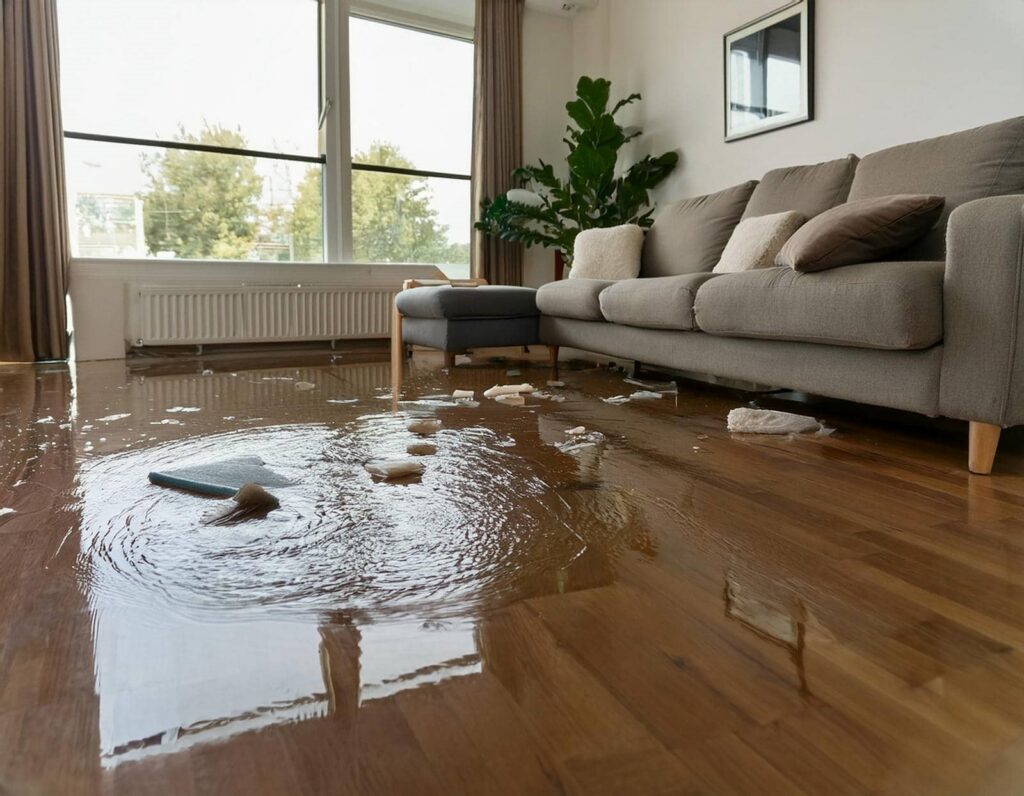
Your home is like a fortress, shielding you from the chaos of the outside world. When floodwaters invade, that protection falters, risking both your property and peace of mind. Choosing proven flooded home restoration strategies isn’t just about fixing damage; it’s about safeguarding your family’s future. Understanding these methods can make a significant difference, especially when it comes to avoiding common pitfalls. What steps can you take to ensure your recovery is swift and effective?
Key Takeaways
- Proven strategies ensure timely water extraction, minimizing damage and preventing costly repairs in the future.
- Effective methods include thorough drying and sanitization, reducing health risks from mold and bacteria.
- Experienced professionals can identify hidden issues, ensuring comprehensive restoration and safety for your home.
- Documenting damage accurately supports insurance claims, streamlining financial recovery processes.
- Utilizing specialized equipment speeds up restoration, helping to restore your home efficiently and effectively.
Understanding the Impact of Flood Damage on Your Home
When you experience flood damage, understanding its impact on your home is essential to effective restoration. The immediate effects can be overwhelming, leaving you anxious about the safety of your environment.
Water extraction is the first critical step; it prevents further damage and begins the drying process. Every minute counts, as stagnant water can lead to mold growth, compromising your health and home structure.
You’ll want to assess the damage thoroughly, focusing on materials that absorb moisture, like carpets and drywall. Not addressing these issues promptly can result in costly repairs down the line.
Common Mistakes to Avoid in Flood Damage Repair
While it may seem tempting to tackle flood damage repairs on your own, rushing into the process can lead to costly mistakes. One common error is neglecting to document the damage properly for your insurance claims. Without detailed photos and notes, you might miss out on vital coverage.
Additionally, skipping preventative measures, like mold treatment or proper drying techniques, can result in long-term issues that are far more expensive to fix later.
Don’t underestimate the importance of hiring professionals who understand the nuances of flood restoration. They can help navigate insurance claims and implement effective preventative measures, ensuring your home is safe and sound.
Taking the time to avoid these pitfalls protects your investment and provides peace of mind.
Essential Steps for Restoring Flood-Damaged Homes
After sidestepping common mistakes in flood damage repair, you’re ready to take the next steps toward restoring your home.
Begin with immediate water extraction; the faster you remove the water, the less damage you’ll face. Use pumps and wet vacs to tackle standing water efficiently.
Next, focus on mold prevention by drying out affected areas thoroughly. Open windows and use fans to enhance airflow, while also considering dehumidifiers for persistent moisture.
Inspect walls, floors, and belongings for damages, discarding anything irreparable.
Once everything’s dry, sanitize surfaces to eliminate bacteria.
Finally, document your efforts for insurance purposes. Each step you take brings you closer to reclaiming your space, helping you feel at home once again.
Flood Restoration: Why Hire Professionals?
Restoring a flooded home can feel overwhelming, especially when the damage is extensive and time-sensitive. Hiring professionals ensures you receive expert emergency response and a clear restoration timeline.
They understand insurance coverage intricacies, helping you navigate claims efficiently. With their specialized equipment and knowledge, they quickly remove water and prevent mold growth, safeguarding your home and health.
You’re not just getting help; you’re gaining peace of mind knowing trained professionals are handling the situation. Their experience allows them to identify hidden problems that could arise later, assuring a thorough restoration.
When you choose experts, you’re investing in your home’s future and your family’s well-being, creating a safe space to return to after the crisis.
Cost Factors in Flood Restoration?
When facing the aftermath of a flood, understanding the cost factors involved in restoration is crucial for effective planning. You’ll want to assess the extent of damage, which can greatly influence repair expenses.
Key components include water extraction, structural repairs, and mold remediation. Insurance claims play a significant role, as they can cover a substantial portion of these costs, but it’s essential to know your policy details.
Additionally, restoration timelines impact costs; delays may lead to further damage, increasing overall expenses. By being proactive and informed, you can navigate these financial aspects more smoothly, ensuring your home is restored effectively while minimizing stress.
Frequently Asked Questions
How Quickly Should I Begin Flood Restoration Efforts?
You should start flood restoration efforts within 24 to 48 hours. Quick water extraction and mold prevention are essential to minimize damage and protect your home. Taking action early can make all the difference.
Can I Restore My Home Without Professional Help?
Yes, you can restore your home without professional help, but many DIY restoration efforts face challenges. If you tackle flood damage carefully, you’ll build confidence and strengthen your home’s resilience.
What Insurance Coverage Is Available for Flood Damage?
You’ve got flood insurance options like NFIP policies, but watch out for policy exclusions. Understanding your coverage can help you navigate the recovery process, ensuring your home gets the attention it needs after flood damage.
How Do I Assess the Safety of My Home Post-Flood?
Start your safety inspection by checking for visible water damage and signs of structural integrity issues. Look for sagging ceilings, warped walls, or cracks. Prioritize your family’s well-being and consult professionals if anything seems unsafe.
What Items Should I Keep or Discard After a Flood?
After a flood, keep essential items like important documents and sentimental belongings, while discarding flood-damaged items that can’t be restored. Prioritize safety and health in your restoration efforts to reclaim your home’s comfort.
Final Thoughts
In your rush to save money on flood restoration, you might just end up spending more in the long run. It’s ironic, isn’t it? By neglecting proven strategies and expert help, you risk hidden damages that could compromise your home’s safety and value. Don’t let your home become a cautionary tale; prioritize effective restoration methods. Remember, investing in professional help now can save you from headaches—and heartaches—down the road. Your family deserves a safe, sound home.