
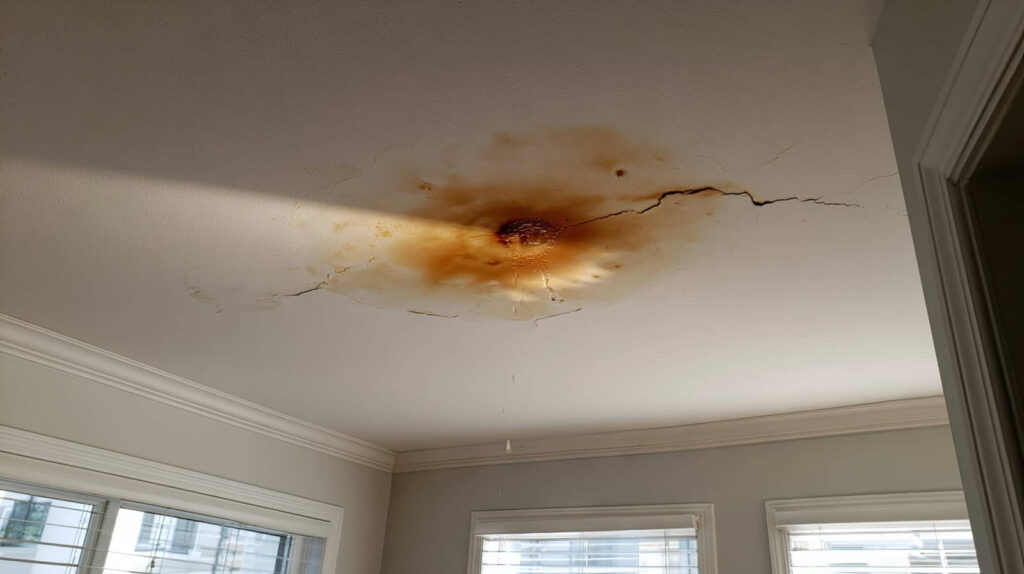
Could that stain above you be more than a cosmetic issue? You might be seeing the first sign of a leak that’s still spreading behind the surface. If you ignore it, water can weaken drywall, invite mold, and raise repair costs fast. You need to find the source, stop the moisture, and check for hidden damage before the ceiling gives you a bigger problem than a mark.
Key Takeaways
- Water stains on the ceiling usually mean an active leak that can spread damage quickly.
- Moisture weakens drywall and can cause sagging, peeling paint, and structural issues.
- Damp areas raise the risk of mold, mildew, and unhealthy indoor air.
- Finding and fixing the source early prevents recurring stains and higher repair costs.
- Prompt repair protects your home’s value and helps keep occupants safe.
Why Ceiling Water Damage Gets Worse Fast
When water stains show up on a ceiling, they usually mean the leak is still active or the damage is spreading. You need to act fast because drywall soaks up moisture, loses strength, and starts sagging.
Paint may blister, then peel, and insulation can trap dampness, keeping the area wet longer. That extra moisture also invites mold, which can damage indoor air and make cleanup harder.
Good moisture control helps you limit the spread, but you still need to dry the area quickly and protect nearby surfaces.
For stain prevention, watch for new discoloration, soft spots, and musty odors after every repair. If you stay alert, you’ll catch problems early, reduce repairs, and keep your space safer for everyone who lives there.
Find the Leak Above the Stain
Once you’ve dried the area, trace the stain to its source above the ceiling. Start with the room directly over the spot and check pipes, vents, and fixtures.
Look for damp insulation, drips, rust, or swollen wood. Use leak detection methods like a flashlight and paper towel to spot moisture on joints and corners.
If you share walls with a bathroom or kitchen, inspect supply lines, drains, and the tub or sink trap. A careful plumbing inspection also means checking nearby appliances and condensate lines.
Mark anything wet so you can compare it later. You’re not alone in this process; many homeowners find the hidden source by moving step by step.
Stay methodical, and don’t guess. Find the path before you make repairs.
Stop the Water Damage Right Away
Shut off the water supply as soon as you can to keep the leak from spreading.
Then move buckets, towels, and anything valuable out of the drip zone. If water’s still coming through, turn off the breaker for that area only if it’s safe.
Open nearby windows and run fans to start drying the space. You’ll protect your home and help your neighbors learn good water prevention habits too.
Keep an eye on the stain, and blot any fresh moisture right away. Don’t poke holes or scrape the ceiling yet; that can make things worse before you know the source is controlled.
Quick moisture control matters here, because every minute lets more damage build.
Stay calm, act fast, and you’ll give yourself the best chance to limit repair costs.
Check for Sagging, Mold, and Weak Spots
Now that the leak is under control, inspect the damaged area closely for sagging, mold, and soft spots. Use a flashlight and your eyes first, then press gently with a gloved hand to find weak spots.
In your stain assessment, watch for yellowing, dark edges, peeling paint, or a ceiling that bows downward. For moisture detection, check nearby joints and trim, since hidden water can spread beyond the stain.
If you notice a musty smell, fuzzy growth, or crumbly material, mark it and keep others away from the area. You’re not alone in this step; careful checking helps your home stay safe and gives you a clear plan for what comes next.
Record what you find, then move on only when the damage is fully understood.
Dry the Ceiling Before Repairs
Before you patch or repaint anything, dry the ceiling completely so trapped moisture doesn’t cause new damage.
You can help the space recover faster by using ceiling drying techniques that fit your room and the leak source. Set up fans to move air across the damp area, then run a dehumidifier to pull moisture from the room. Open windows only if outdoor air is drier than indoor air.
Stay patient; rushing this step can leave you with stains, blistering paint, or soft spots later.
- Aim airflow directly at the wet section.
- Use moisture removal methods until the surface feels dry.
- Check the area again after a few hours.
When you wait for full drying, you protect your repair and your home.
Remove Damaged Ceiling Material
Once the ceiling is fully dry, scrape away any loose paint, bubbling texture, or sagging drywall around the stain. Use a putty knife and work gently so you only remove weakened areas. Keep going until you reach solid ceiling materials that feel firm and stable.
If the damaged edge crumbles, trim it back with a utility knife for a cleaner boundary. Wear a dust mask and lay down a drop cloth so your space stays comfortable and easy to clean.
After that, brush away dust and check the area from different angles. These simple repair techniques help you create a sound surface for the next step.
You don’t need to do it perfectly, just carefully, and you’ll fit right in with a solid repair crew.
Repair Ceiling Stains and Cracks
Apply a thin layer of stain-blocking primer over the repaired area to seal discoloration and help the patch blend in.
Then feather joint compound across the crack, letting each coat dry before you sand it smooth. You’ll keep the ceiling looking cared for and part of your home.
Use fine-grit sandpaper to soften edges and prevent ridges.
Match texture with a sponge, knife, or spray for a cleaner finish.
Wipe dust away before painting so the repair bonds well.
These ceiling maintenance tips help you stay ahead of small flaws, and smart stain removal techniques keep old marks from standing out.
Work carefully, check your progress in angled light, and you’ll make the room feel whole again.
Fix the Leak to Prevent More Damage
Track down the source of the leak and fix it as soon as you can, because no stain treatment will last if water keeps getting in.
Start by checking the attic, pipes, roof, and fixtures above the stain. Look for drips, damp insulation, or warped materials that point to the water source.
Once you find it, use the right repair methods for the problem: tighten fittings, replace worn washers, patch small roof damage, or seal minor gaps.
If you’re not sure, turn off the water to stop further damage while you work.
After the leak’s fixed, let the area dry fully before you repaint.
You’re not just protecting one ceiling spot; you’re helping your home stay solid, safe, and cared for.
When to Call a Water Damage Pro
If you still smell mustiness, see peeling paint, or spot warped floors after a leak, call a water damage pro.
You should also get help fast if the stain keeps growing, water shows up in walls or ceilings, or mold starts to form.
Quick action can stop hidden damage from getting worse and protect your home.
Hidden Leak Signs
When stains keep coming back after cleaning, they often point to a hidden leak behind the wall, under the floor, or above the ceiling. You don’t need to guess; you need quick leak detection and a careful moisture assessment.
If you live in a shared building or family home, acting early helps everyone feel safer and included.
- Check for soft paint, bubbling drywall, or a musty smell near the stain.
- Look for damp baseboards, warped trim, or cool spots on floors.
- Call a water damage pro if the stain grows, returns, or spreads after drying.
A pro can trace the source, confirm the leak, and guide your next steps. That keeps small problems from becoming house-wide headaches and helps your home stay comfortable for everyone.
Serious Damage Indicators
Major damage needs professional help fast. Call a water damage pro if you see sagging ceilings, bubbling paint, warped floors, or a stain that keeps spreading after you dry the area.
If walls feel soft, smell musty, or you spot mold, don’t wait. You’re protecting your home, your people, and your peace of mind. Shut off water if you can, move valuables, and document the damage with photos.
A pro can find hidden leaks, dry materials fully, and help you avoid future stain prevention problems. Quick action also protects property value, because deep water damage gets worse fast.
Trust your instincts: if the damage looks structural, widespread, or keeps returning, it’s time to bring in expert help and get your home back on track.
Frequently Asked Questions
Can a Ceiling Stain Disappear Without Repainting?
Yes, you can sometimes make a ceiling stain disappear without repainting by cleaning it gently. You’ll need proper stain removal and ceiling maintenance, plus quick drying, to avoid recurrence and keep your space looking cared for.
How Do I Protect Furniture From Ceiling Leaks?
You can protect your furniture with waterproof furniture covers, move pieces away from drips, and place trays underneath. Check the ceiling often, fix the leak quickly, and use leak prevention steps to keep your space safe.
Is Ceiling Water Damage Covered by Homeowners Insurance?
Usually, yes—if you’ve got sudden water damage, your homeowners policy may cover it. File insurance claims quickly, document the leak, and check exclusions for neglect, flooding, or gradual damage.
What Tools Help Inspect Hidden Ceiling Moisture?
Use a moisture meter and infrared camera for moisture detection. Don’t worry if you can’t see damage; smart inspection techniques, like a pinless meter and flashlight, help you check hidden ceiling leaks fast.
Can I Stay in the Room During Ceiling Repairs?
Yes, you can sometimes stay during ceiling repairs if the repair duration is short and safety precautions are in place. You should leave if dust, power tools, or structural work make the room unsafe.
Review
When you spot that ceiling stain, act fast—what looks small can spread like a dark ring of coffee on paper. Find the leak, stop the water, and dry the area before damage settles in. Check for sagging, mold, and soft spots, then repair the ceiling and fix the source. If the stain keeps growing or the ceiling sags, call a water damage pro right away.