
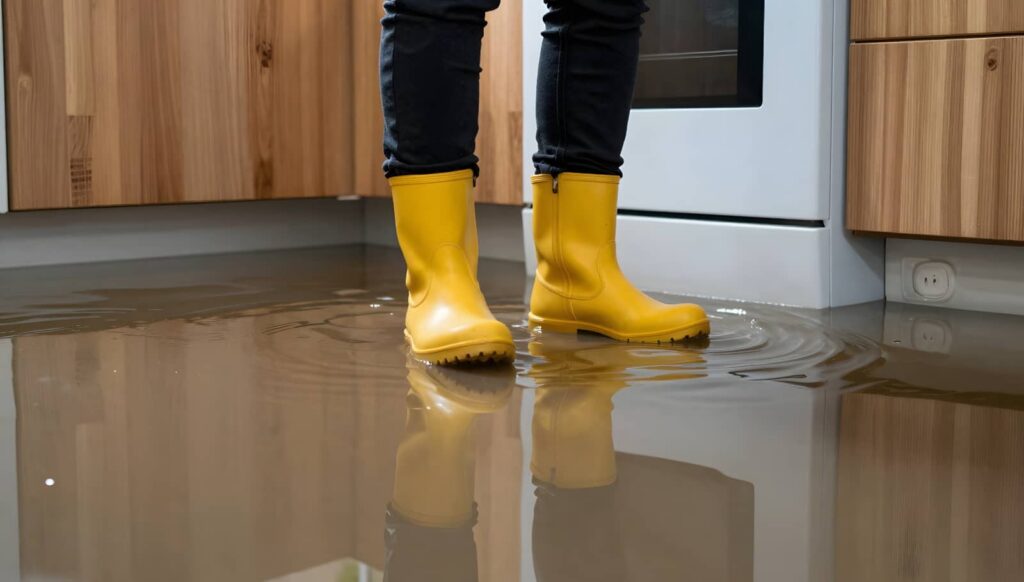
You want to stop the water, protect the structure, and limit the damage before it spreads. Restore a Flooded House quickly by stopping the source, removing standing water, and drying affected areas before moisture moves into walls, subfloors, and hidden cavities. Quick action can help preserve more contents, reduce mold risk, and make it easier to document losses while conditions are still clear. What gets checked first can change everything, so a thorough moisture inspection should guide the next steps.
Key Takeaways
- Fast restoration stops water from spreading into walls, floors, and framing.
- Quick drying helps prevent mold growth within 24 hours.
- Immediate cleanup protects structural integrity and reduces costly repairs.
- Rapid response improves indoor air quality and household safety.
- Early restoration increases the chance of saving furniture, flooring, and other materials.
Why Flooded House Restoration Can’t Wait
When your house floods, you can’t afford to wait because water damage keeps spreading long after the visible water is gone. You need fast restoration because moisture moves into drywall, framing, insulation, and flooring, where it can weaken materials and create hidden deterioration.
Acting quickly also reduces the emotional impact on your family by restoring normal routines sooner and limiting stress. You’ll protect valuables, reduce structural risk, and preserve indoor air quality before problems compound.
Quick action also helps you document conditions for insurance claims, which can improve the process and support your recovery. When you respond early, you’re not just fixing a house—you’re joining other homeowners who’ve faced the same emergency and choosing a practical path back to safety and stability.
How Flood Cleanup Stops Water Spread
Flood cleanup stops water spread by removing standing water, drying affected materials, and isolating damp areas before moisture can move deeper into the structure.
You protect your space by acting fast with restoration techniques like extraction, air movement, and dehumidification. These steps limit water damage in carpets, drywall, baseboards, and furnishings, so moisture doesn’t keep migrating through rooms you use every day.
When you seal off wet zones, you help your household stay safer and more comfortable while cleanup continues.
You’re not dealing with this alone; a skilled team can map wet areas, track hidden moisture, and adjust methods as conditions change. That focused response keeps the mess contained and gives your home a better path back to normal.
How Fast Cleanup Protects Your Home’s Structure
Fast cleanup protects your home’s structure by limiting how long water can weaken framing, subfloors, joists, and wall assemblies. You help preserve structural integrity when you remove standing water, dry hidden cavities, and stabilize affected materials quickly.
That prompt response keeps swelling, warping, and fastener corrosion from spreading through the build. Moisture control matters because even trapped dampness can soften sheathing and loosen finishes, making repairs broader and costlier.
You’re not alone in this process; a trained team can assess damage, set priorities, and protect load-bearing areas before deterioration advances.
- Inspect supports
- Remove wet debris
- Measure hidden dampness
- Dry cavities
- Document repairs
How To Prevent Mold After A Flood
To prevent mold after a flood, you need to dry the affected areas within 24 hours, because moisture left longer can support rapid growth.
Remove wet materials that can’t be fully dried, such as soaked drywall, insulation, and carpet padding.
Acting quickly like this helps you reduce contamination and keep the cleanup under control.
Dry Within 24 Hours
The first 24 hours matter most because moisture can start mold growth quickly, so you need to dry the house as soon as possible after a flood. Act like your emergency response team depends on speed: open windows if conditions allow, run fans, and start dehumidifier usage right away.
You’re not alone in this process; steady, methodical drying protects your home and health.
- Keep airflow moving through every affected room
- Set dehumidifiers to maintain low indoor humidity
- Check hidden damp spots with a moisture meter
- Use HVAC only if it won’t spread moisture
- Monitor progress every few hours and adjust fast
If you stay consistent, you’ll cut mold risk and move your home back toward safe, livable conditions within a day.
Remove Wet Materials
Once the space is drying, remove any materials that stayed soaked long enough to hold moisture, because carpets, pads, drywall, insulation, and upholstered items can keep feeding mold even after the room feels dry.
You should pull them out carefully, bag them for wet material disposal, and keep clean areas separate from damaged ones.
As you work, use moisture detection tools or a meter to check hidden cavities, baseboards, and subfloors, since trapped dampness can linger where you can’t see it.
If an item smells musty or still reads wet, don’t save it. You’re protecting your home and your crew by acting quickly and decisively.
When you clear the wet materials, you cut off mold’s food source and help the structure dry faster and more safely.
What Floors, Walls, And Furniture Can Be Saved
You can often save flooring, walls, and furniture if you act fast and the materials didn’t stay soaked for long.
Hard surfaces like tile, sealed wood, and metal-framed furniture usually recover well, while saturated drywall, carpet padding, and particleboard often need replacement.
A careful moisture check helps you separate salvageable materials from items that could trap hidden damage.
Salvageable Flooring Materials
If water hasn’t sat too long, you can often save more than you think. You’ll get the best results by acting quickly and checking each floor type with a careful hardwood recovery and carpet assessment.
Solid hardwood can often dry, flatten, and stay serviceable if the boards haven’t buckled. Engineered wood may survive if the core stayed intact. Tile usually holds up well when grout and subfloor are stable. Vinyl can be saved if it hasn’t lifted or trapped moisture.
- Lift loose sections to inspect underlayment
- Measure moisture before reinstalling
- Remove soaked padding fast
- Watch for cupping, staining, or odor
- Keep airflow steady until readings drop
You’re not alone here; many floors bounce back with the right drying plan.
Walls And Furniture Recovery
Walls and furniture need quick, careful evaluation because moisture can move into cavities, framing, and finishes long before visible damage appears. You can often save drywall if it dried fast and wicking stayed low; however, swollen, crumbling, or moldy sections need removal.
Plaster and solid masonry usually tolerate short exposure better, but you still need a moisture check and targeted wall treatment to stop hidden decay.
For furniture preservation, lift upholstered pieces, remove cushions, and dry wood frames with airflow. Veneer furniture may delaminate, so act fast and document damage. If joints stay tight, finishes don’t blister, and odors fade, recovery is likely.
You’re not alone here; careful triage helps you keep more of your home and restore confidence.
What Flood Cleanup Restores First
Flood cleanup restores the most critical systems first, starting with standing water removal, moisture control, and damage assessment. You’ll see crews protect your home’s structure, then target hidden wet areas that can spread flood damage fast.
Reliable restoration techniques focus on drying framing, sanitizing surfaces, and stabilizing utilities so you can regain control sooner.
- Extract water from floors, carpets, and cavities
- Measure moisture in walls, subfloors, and insulation
- Remove unsalvageable porous materials
- Clean and disinfect affected surfaces
- Set air movers and dehumidifiers for drying
This order helps you avoid extra repairs, reduce mold risk, and feel supported through each step.
When your team acts quickly, you’re not alone; you’re guided through a clear, practical recovery plan that gets your space back on track.
Frequently Asked Questions
How Do I Know if Floodwater Is Contaminated?
You can’t assume floodwater’s safe; check floodwater sources and contamination indicators. If it came from sewage, storm drains, or nearby chemicals, treat it as contaminated. Wear protection, avoid contact, and call professionals for testing.
Should I Stay in My Home After Flooding?
You shouldn’t stay if floodwater has entered your home. Testing that it’s “just water” often fails; hidden contamination and electrical risks make flood safety and a home assessment essential before you re-enter safely.
Does Homeowners Insurance Cover Flood Damage?
Usually, no—your homeowners policy won’t cover flood damage. You’ll need flood insurance for that. Check your policy limits, and if you’re unsure, call your insurer fast so you can protect your claim and your home.
Can I Clean Flood Damage Myself Safely?
You can clean minor flood damage yourself if you follow safety precautions and use flood cleanup tips. You’ll need gloves, boots, and ventilation, but if water was contaminated or mold started, call a pro.
When Should Utilities Be Turned Back On?
You shouldn’t flip utilities back on until a licensed pro clears utility safety; one spark can ignite disaster. Your restoration timeline depends on dry-out, inspections, and repairs. Stay patient—you’re not alone, and you’ll protect everyone.
Final Thoughts
When you restore your flooded house fast, you’re acting like a lighthouse keeper before the storm swallows the shore. You stop water from traveling into hidden rooms, protect the bones of your home, and reduce the risk of mold taking root. Quick cleanup also helps save floors, walls, and furniture while preserving air quality and valuables. Most importantly, you’ll document damage sooner, making your recovery smoother, safer, and far less costly.