
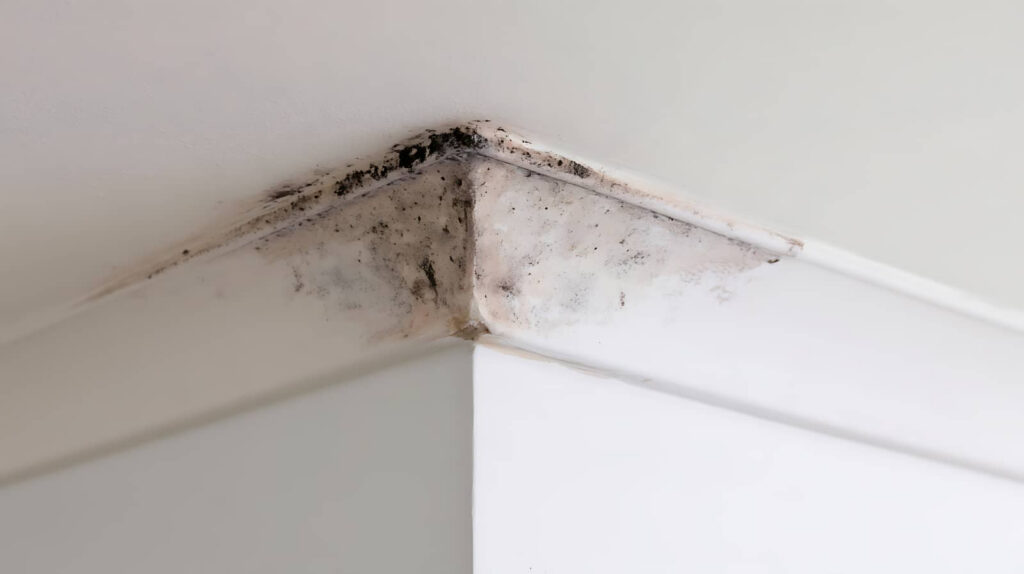
To Restore Your Home after water damage, act quickly if you notice a damp spot after a storm or a musty smell the next morning. Moisture can spread into walls, floors, and insulation, where it can weaken materials and encourage mold growth. Proper restoration dries hidden areas, checks for structural damage, and helps you avoid costly repairs, but there’s more to consider before the job is complete.
Key Takeaways
- Restore quickly to stop moisture from spreading into walls, flooring, insulation, and framing.
- Fast cleanup helps prevent mold growth and further structural damage.
- Professional restoration removes standing water and dries hidden areas thoroughly.
- Repairing damage early limits costly replacements and preserves salvageable materials.
- Restoring your home makes it safe, stable, and comfortable again.
What to Do After Water Damage?
After water damage, you need to act fast to limit further harm and reduce the risk of mold, structural damage, and electrical hazards.
First, shut off the water source and, if it’s safe, turn off electricity in affected areas. Next, remove valuables and document damage with photos for insurance claims.
Call emergency services if you notice active flooding, gas leaks, or unsafe wiring. Then contact your insurer and a trusted restoration team so you’re not handling it alone.
Start removing standing water and ventilating the space with fans and dehumidifiers. Bag soaked textiles, and separate wet materials from dry ones.
You’re part of a community that understands this stress, and steady action helps you regain control and protect your home.
Why Water Damage Needs Fast Restoration?
Water damage needs fast restoration because moisture keeps spreading into drywall, flooring, insulation, and framing long after the visible water is gone.
You’re protecting your home’s structural integrity when you act quickly, because damp materials weaken, warp, and lose strength. An emergency response also helps you limit repairs, since you can stop hidden damage before it turns into bigger problems.
You don’t have to face it alone; a skilled restoration team can assess conditions, dry affected areas, and guide you through each step with confidence.
Quick action gives you a safer, more stable home and helps your family feel settled again. The sooner you restore, the sooner your space returns to normal.
How Water Damage Spreads Through Your Home?
Moisture rarely stays in one place, and it can move through your home in multiple directions at once.
Once it enters from water sources like a burst pipe, roof leak, or overflowing appliance, it soaks drywall, wicks into framing, and seeps under flooring.
You may notice damage effects in nearby rooms before the original source looks serious, because gravity, airflow, and capillary action keep spreading it.
Insulation holds moisture, joists can swell, and hidden cavities trap damp air.
That’s why you shouldn’t judge by what you can see alone.
When you understand how water travels, you can protect your space, stay ahead of bigger problems, and feel confident that your home community can recover together.
What Water Damage Restoration Includes?
Once water has spread beyond the visible source, restoration focuses on removing moisture, drying affected materials, cleaning contaminated areas, and repairing what can’t be saved.
You’ll usually begin with water extraction to pull standing water from floors, carpets, and hidden cavities.
Then technicians assess the damage, set up structural drying equipment, and monitor moisture levels in walls, framing, and subfloors.
You stay informed as they protect your home’s structure and reduce further deterioration.
Damaged drywall, insulation, and finishes may be removed when they’re no longer serviceable, while salvageable materials are cleaned and stabilized.
The goal is to return your space to a safe, workable condition and help you feel confident that the restoration is handled correctly, with your home and comfort in mind.
How to Prevent Mold and Repeat Damage?
To prevent mold and repeat damage, you need to stop residual moisture from lingering in your home and address the conditions that let water return.
Inspect walls, floors, insulation, and crawl spaces with a meter, then dry them quickly with fans, dehumidifiers, and steady airflow. Keep indoor humidity below 60% for strong moisture control.
Repair leaks, seal gaps around windows and plumbing, and slope drainage away from the foundation. Clean and disinfect affected surfaces so spores don’t spread.
For mold prevention, replace porous materials that stayed wet too long, like drywall, carpet padding, and insulation.
Check closets, attics, and behind appliances often. When you stay proactive, you protect your home, support your household, and avoid another costly disruption.
Frequently Asked Questions
How Much Does Water Damage Restoration Usually Cost?
You’ll usually pay $1,500 to $6,000, though severe damage can cost more. Your cost factors include water category, affected area, and restoration techniques. You’re not alone; a certified team can restore things efficiently.
Will My Insurance Cover All Restoration Expenses?
No, your insurance won’t usually cover every expense. Like a net with a few holes, your insurance policy has coverage limits, exclusions, and deductibles. You’ll likely owe some costs, but you’re not alone.
How Long Does the Full Restoration Process Take?
You can expect the full restoration process to take several days to a few weeks, depending on damage severity, drying techniques, and repairs. Your restoration timeline improves when you act quickly and stay informed.
Can I Stay in My Home During Repairs?
You can stay home sometimes, but you’ll need to prioritize staying safe. Your repair timeline depends on contamination, noise, and access, so ask your contractor first.
How Do Professionals Detect Hidden Structural Damage?
You’ll see professionals use moisture detection tools and a structural assessment to find hidden damage behind walls, under floors, and in framing. They’ll check readings, inspect materials, and verify everything’s stable, so you can feel confident.
Summary
After water damage, you need to act fast or moisture can seem to invade every hidden corner of your home like an unstoppable flood. You protect your walls, floors, insulation, and indoor air when you restore damaged areas quickly and thoroughly. Professional restoration helps you dry, inspect, and repair the mess before mold gets a foothold and problems spread. By restoring your home now, you’re safeguarding its structure, your comfort, and your family’s safety.