
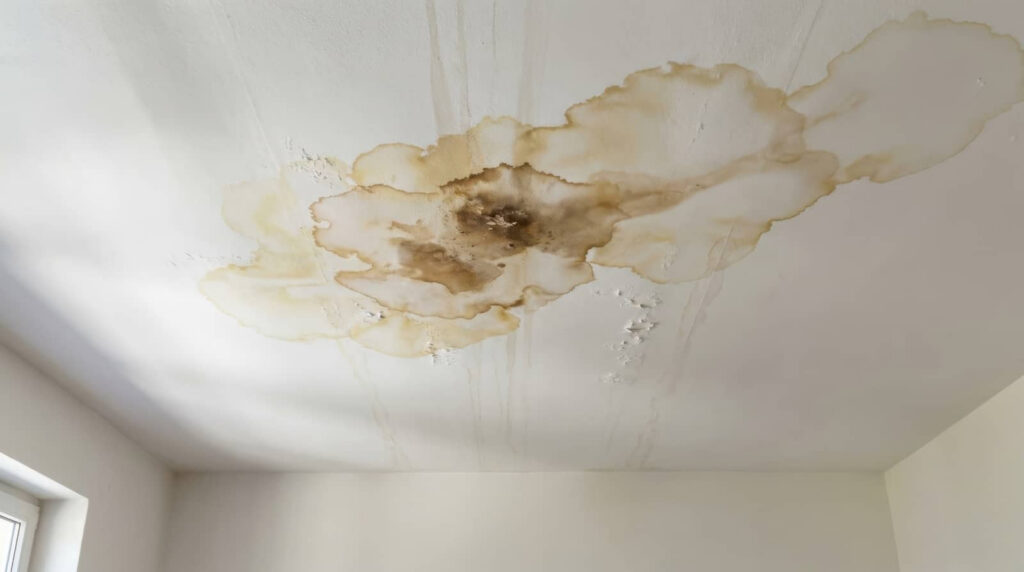
A ceiling leak can turn a small problem into a budget-wrecker faster than you’d expect. Your repair cost usually depends on when you act, how large the damage is, where the water came from, and what materials and labor the job needs. You’ll also want to watch for hidden expenses like mold cleanup, drying time, and paint matching, because those extras can shift the total in ways that aren’t obvious at first.
Key Takeaways
- Faster repairs after ceiling damage usually cost less because they limit structural deterioration and reduce restoration work.
- Larger damaged areas increase repair costs due to more labor, materials, drying, and repainting.
- Contaminated water sources raise costs because cleanup, safety precautions, and remediation are more complex.
- Specialty ceilings and skilled labor, such as plaster or texture matching, make repairs more expensive.
- Extra expenses like mold remediation, dehumidifiers, and insurance-covered mitigation can significantly affect total cost.
Ceiling Water Damage Repair Cost Factors
Ceiling water damage repair costs often depend on how quickly you address the problem, because the longer moisture sits, the more structural and cosmetic damage it can cause.
You’ll also see costs shift based on the source of the leak, the materials your ceiling uses, and whether hidden moisture has spread. If you act fast, you can limit demolition and restore your space with less disruption.
Review your insurance coverage early, since your policy may offset part of the expense. Ask contractors about repair warranties, too, because they can protect your investment after the job’s done.
When you compare estimates, focus on workmanship, response time, and clear scope. That helps you make a smart choice and feel confident your home’s back on track.
How Damage Size Affects Cost
Once you know what caused the ceiling water damage, the next cost driver is how much area it affected. A small stain usually needs a focused damage assessment, a limited cutout, and basic patching, so you’ll pay less.
When the damage spreads across several joists or rooms, crews need more time, more materials, and more steps to restore the surface. That means drying, removal, replacement, sanding, and repainting can all grow in price.
Bigger repairs also increase labor because technicians must match textures and use broader repair techniques to blend the finished area with the rest of your ceiling.
If you’re comparing quotes, ask each contractor how many square feet they’re repairing and what’s included. That helps you stay informed, confident, and part of the process.
How the Water Source Affects Cost
The source of the water plays a major role in what you’ll pay, because not all leaks require the same level of cleanup and repair. If the water comes from a clean supply line, you’ll usually face a simpler fix.
If it comes from a sewer, appliance backup, or storm intrusion, your costs rise because the water quality is poorer and the cleanup demands more care. The source type also affects how fast you need to act, since contaminated water can spread damage quickly and create health risks.
When you understand the source, you can budget more accurately and choose the right response for your home. That helps you protect your property, stay confident, and feel like you’re making the smart call.
How Ceiling Materials and Labor Affect Cost
Material type and labor time can both push your repair bill up fast, especially when the damaged area is hard to match or access.
You’ll usually pay more when ceiling material types include plaster, textured finishes, or specialty panels, because they take extra care to repair cleanly. Simple drywall often costs less, but a poor match can still raise the price.
Labor rates also matter, since skilled crews charge more for detailed work, overhead access, or tight timelines. If your ceiling sits high or needs careful blending with the rest of the room, expect more hours on the job.
You can keep costs in check by asking for itemized quotes and confirming the exact material and labor plan before work starts.
Extra Costs for Mold, Drying, and Paint
If water damage has seeped into the ceiling, mold treatment, drying time, and repainting can add a lot to your repair total.
You may need mold remediation if moisture sat long enough for growth to spread, and that work often requires testing, containment, and cleanup.
Contractors may also use several drying methods, including fans, dehumidifiers, or heat, to protect framing and insulation before they close anything up.
After that, paint selection matters because matching sheen and color can take extra labor, especially in visible rooms where you want everything to blend.
Check your insurance coverage early, since some policies help with mitigation but exclude slow leaks or cosmetic upgrades.
When you understand these extras, you can plan with confidence and stay in control.
Frequently Asked Questions
How Can I Tell if Ceiling Water Damage Is Urgent?
Check urgency by spotting spreading stains, sagging, dripping, or peeling paint. You should act fast if mold growth appears or structural integrity seems compromised. Call a professional now to protect your home and community.
Will Insurance Cover Ceiling Water Damage Repairs?
Maybe—your ceiling water damage repairs’re often covered when the loss is sudden and accidental. You’ll need to check insurance policies, coverage limits, deductible impact, then start claim filing so your repair process can move forward.
How Long Does Ceiling Water Damage Repair Usually Take?
Usually, you’ll finish ceiling water damage repair in one to three days, though you may need longer for drying processes and repair timeframes. You’ll feel supported when a contractor inspects, dries, patches, and repaints promptly.
Can I Stay in My Home During Ceiling Water Damage Repairs?
Yes, you can often stay home during the repair process, but you’ll need to watch for safety concerns like water, mold, and exposed wiring. Your contractor should tell you when areas are off-limits.
What Signs Mean the Leak Is Still Active?
You’ll notice the leak’s still active if stains spread, paint bubbles, musty odors linger, or drips return after drying. Use leak detection and moisture assessment to confirm ongoing moisture before you repair anything.
Conclusion
To keep your repair bill from ballooning, act fast, assess the damage size, identify the water source, and plan for materials and labor. You’ll usually pay less when you catch issues early, before a small stain turns into a full ceiling redo. Don’t ignore mold, drying, or paint matching, because those hidden costs can hit hard. In this game of whack-a-mole, quick decisions save you money and stress.