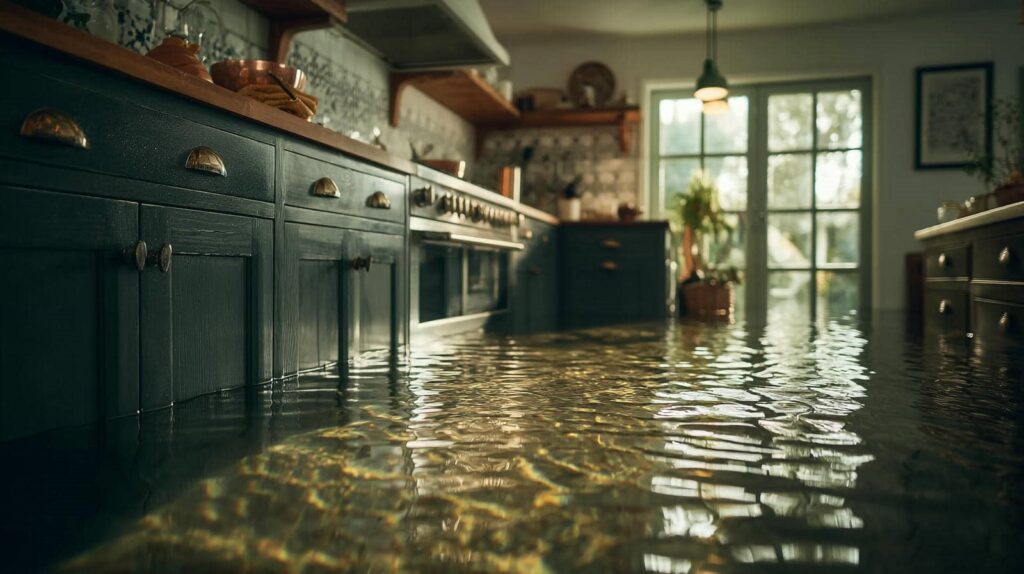
Water can be both a life-sustaining resource and a destructive force. When faced with excess moisture, quick action is essential to prevent extensive damage. You can employ high-powered sump pumps to extract standing water, but that’s just the beginning. Combining effective airflow and humidity control techniques is vital. Let’s explore some methods that can greatly enhance your water removal efforts and safeguard your space from future complications.
Key Takeaways
- Utilize high-powered sump pumps at the lowest points to quickly remove standing water from affected areas.
- Strategically place industrial fans to enhance airflow and promote rapid evaporation of moisture.
- Set dehumidifiers to maintain humidity levels between 30-60% for effective moisture control.
- Employ absorbent pads and sponge mops to soak up excess water and facilitate drying.
- Regularly monitor and adjust equipment settings to optimize water removal and prevent mold growth.
Utilize High-Powered Pumps for Rapid Extraction
When facing severe water intrusion, high-powered pumps become your best ally for rapid extraction. A sump pump is essential for removing water quickly from basements and low-lying areas.
It’s designed to handle large volumes of water efficiently, preventing further damage to your property. Verify your sump pump has the right horsepower to match the severity of the situation.
If you’re dealing with a power outage, a portable generator becomes invaluable. It allows you to operate your sump pump without interruption, ensuring continuous water removal.
Before starting, check the generator’s fuel levels and connections to ensure it runs smoothly.
Position the sump pump in the lowest point of the affected area for ideal performance.
Implement Industrial Fans and Dehumidifiers
To effectively remove residual moisture after water extraction, implementing industrial fans and dehumidifiers is crucial.
Start by strategically positioning fans for ideal airflow; aim them at the most affected areas to enhance evaporation. Ideal fan placement includes corners and near water-damaged surfaces, ensuring that air circulates freely.
Next, adjust your dehumidifier settings according to the environmental conditions. For example, set the humidity level between 30-60% for efficient moisture removal.
Don’t overlook the importance of continuous drainage if possible, as this will maintain effectiveness.
Monitor both the fans and dehumidifiers regularly to verify they’re operating efficiently and adjust their positions or settings if necessary.
By creating a coordinated approach with proper fan placement and dehumidifier settings, you’ll greatly speed up the drying process, leading to a safer and healthier environment.
Employ Absorbent Materials for Quick Drying
After optimizing airflow with fans and dehumidifiers, employing absorbent materials can greatly accelerate the drying process.
Start with absorbent pads; these are designed to soak up excess moisture efficiently. Place them in areas where water accumulation is most significant, allowing them to draw moisture from the surface.
For larger areas, utilize sponge mops. These mops can cover more ground quickly, pulling water from both floors and carpets. Make certain to wring out the sponge mops frequently to maintain their effectiveness, as they can become saturated quickly.
Combine these techniques with your airflow strategies for maximum efficiency.
Don’t forget to check the absorbent pads and mops regularly, replacing them when they’re full. This method speeds up drying while minimizing the risk of mold and mildew, fostering a healthier environment.
Frequently Asked Questions
What Safety Precautions Should I Take During Water Removal?
During water removal, always wear safety gear like gloves and boots. Check for electrical hazards before starting. Confirm the power’s off to prevent shocks, and keep your workspace well-ventilated to avoid mold growth.
How Do I Determine the Source of the Water?
Isn’t it essential to pinpoint the problem? Start by employing water detection tools and inspecting areas for leak identification. Check plumbing, appliances, and roofing—thoroughness ensures you tackle the source effectively, safeguarding your space.
Can I Use Household Items for Water Removal?
Yes, you can use household items for water removal. Baking soda absorbs moisture effectively, while vinegar solutions can help clean and disinfect. Combine them for enhanced results, making your space dry and fresh without harsh chemicals.
How Long Does It Typically Take for Areas to Dry Completely?
Drying time varies, but typically, it takes 24 to 48 hours for areas to dry completely. Conduct a moisture assessment to ensure no hidden dampness lingers, fostering a safe, welcoming environment for everyone involved.
When Should I Call a Professional for Water Removal?
You should call a professional for water removal in emergency situations or if water damage exceeds your ability to manage. Swift action minimizes losses and ensures thorough drying, preventing mold and further structural issues.
Conclusion
To effectively expedite your water removal efforts, remember the three key techniques: powerful pumps, persistent airflow, and absorbent materials. By strategically integrating these strategies, you’ll achieve rapid results while reducing the risk of lingering moisture. Staying methodical with your approach ensures a thorough drying process, safeguarding your space from mold and mildew. So, don’t delay—deploy these dynamic drying techniques for a swift solution and a safer, drier environment!