
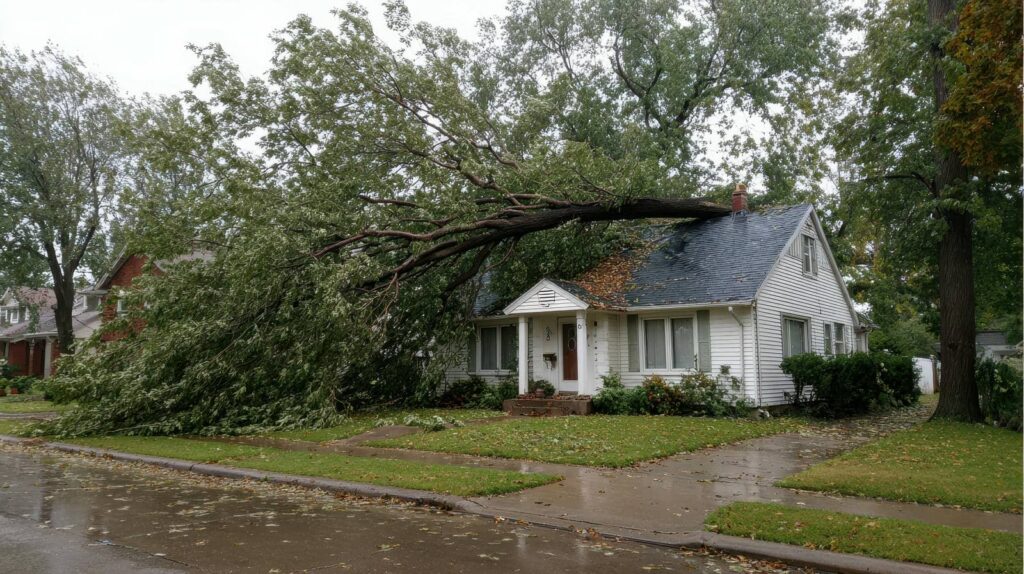
When faced with storm damage cleanup, your first step should be a thorough assessment of the situation. It’s vital to document the extent of the damage while prioritizing safety. You’ll need to identify hazards like downed power lines and wear protective gear. Understanding the right techniques for effective cleanup is essential to mitigate further issues, especially mold growth. Knowing how to approach this systematically can make all the difference in the restoration process.
Key Takeaways
- Conduct a thorough damage assessment and document findings with photos and notes to prioritize cleanup efforts effectively.
- Utilize appropriate water extraction tools, such as pumps and wet/dry vacuums, to remove standing water quickly.
- Promote air circulation with fans and dehumidifiers to enhance drying and prevent mold growth.
- Follow local guidelines for proper debris disposal, separating recyclables and hazardous materials safely.
- Seek professional help for extensive damage, hazardous materials, or navigating insurance claims.
Assessing the Damage Before Cleanup
Before diving into cleanup efforts, how can you effectively assess the damage? Start by conducting a thorough damage evaluation.
Walk around your property, documenting visible destruction. Take photos of each affected area, ensuring you capture details that might be essential for insurance claims. Make notes on the type and extent of damage, whether it’s to the roof, walls, or landscape.
Next, prioritize areas that need immediate attention, focusing on structural integrity and safety issues.
If you’re unsure about certain aspects, don’t hesitate to consult professionals who can provide expert insight.
Safety Precautions During Cleanup
Before you begin the cleanup process, it’s essential to assess potential hazards in the area.
Make certain you wear appropriate protective gear, such as gloves and helmets, to safeguard against injuries.
Additionally, be vigilant about avoiding electrical risks, as downed power lines and damaged wiring can pose serious threats.
Assess Hazards First
Evaluating hazards is essential when undertaking storm damage cleanup, as it sets the groundwork for a safe and efficient recovery process.
Begin with hazard identification to pinpoint potential dangers, followed by a thorough risk assessment to understand their severity. This approach fosters a sense of community and shared responsibility.
Consider these key areas during your assessment:
Downed Power Lines: Stay clear and report any hazards to authorities.
Debris: Identify sharp or heavy objects that could cause injury.
Structural Damage: Inspect buildings for signs of instability.
Flooding: Be cautious of standing water, which may hide unseen dangers.
Wear Protective Gear
Wearing protective gear is essential for ensuring your safety during storm damage cleanup. You should start by donning sturdy protective clothing, such as long-sleeved shirts and durable pants, to shield yourself from sharp debris.
Safety equipment like gloves and steel-toed boots can prevent injuries from falling objects or hazardous materials. Don’t forget a hard hat and safety goggles, as they safeguard your head and eyes from potential dangers.
If you’re working in a particularly muddy or contaminated area, consider wearing waterproof gear to stay dry and protected.
Avoid Electrical Risks
While prioritizing personal safety with protective gear, you must also be vigilant about electrical risks during storm damage cleanup. Ensuring electrical safety is essential, especially when dealing with downed power lines or damaged equipment.
Here are key precautions to follow:
- Always assume power lines are live until confirmed safe by professionals.
- Avoid standing in water while working near electrical sources.
- Disconnect the power supply to the affected areas before starting the cleanup.
- Use insulated tools and wear rubber-soled boots for added protection.
These steps help you minimize risks and safeguard your well-being.
As you navigate the cleanup process, remember that proper safety measures protect you and facilitate efficient power restoration for your community. Stay alert and prioritize safety.
Essential Tools for Water Extraction
When facing the aftermath of a storm, having the right tools for water extraction can greatly impact the efficiency and effectiveness of your cleanup efforts.
Start with water pumps, which are essential for removing large volumes of standing water quickly. They come in various sizes, so choose one that suits the scale of your situation.
For more precise extraction, extraction vacuums are invaluable. These powerful machines can suck up residual moisture from carpets, floors, and walls, helping prevent mold growth.
You’ll also want to gather hoses and extension cords to enhance mobility and reach difficult areas. A wet/dry vacuum is another versatile option, allowing you to tackle both liquid and solid debris.
Effective Water Removal Techniques
To effectively remove water after a storm, you’ll want to employ a systematic approach that maximizes efficiency and minimizes potential damage.
Start with a few key techniques that provide reliable flooding solutions. Here’s a concise list to guide you through effective water extraction:
Assess the Area: Identify the hardest-hit spots and prioritize those for extraction.
Utilize Pumps: Use submersible pumps for larger volumes of water; they’re essential for quick removal.
Employ Wet/Dry Vacuums: For smaller amounts, wet/dry vacuums can efficiently extract standing water.
Create Drainage Channels: If possible, redirect water flow away from your property to prevent further flooding.
Drying and Dehumidification Methods
To effectively dry out your space after storm damage, you need to focus on air circulation and dehumidification.
Start by strategically placing fans to promote airflow, which helps evaporate moisture from surfaces.
Additionally, using dehumidifiers can greatly lower humidity levels, enhancing the overall drying process.
Air Circulation Techniques
Effective air circulation techniques are essential for successful drying and dehumidification following storm damage.
Proper airflow management and strategic ventilation will greatly improve your cleanup efforts. Here are some techniques to evaluate:
Use fans: Position high-powered fans to create a cross-breeze, enhancing airflow throughout the affected area.
Open windows and doors: This encourages natural ventilation, allowing moist air to escape and fresh air to flow in.
Utilize exhaust fans: Employ these in confined spaces to move humid air outside, preventing stagnation.
Create air pathways: Arrange furniture and obstacles to facilitate unobstructed airflow, optimizing your drying process.
Dehumidifier Usage Tips
While air circulation plays an essential role in drying out storm-damaged areas, using dehumidifiers effectively can greatly enhance the drying process.
First, set your dehumidifier to the appropriate humidity level—ideally between 30% and 60%—to optimize air quality. Make sure that the unit is placed in the most affected areas, maximizing moisture extraction.
Regularly check and empty the water reservoir to maintain efficiency; a full tank can halt the dehumidification process. For large spaces, consider using multiple units to cover more ground.
Additionally, run the dehumidifier continuously during the cleanup phase for best results.
Mold Prevention Strategies
Since mold thrives in damp environments, implementing robust prevention strategies is crucial after storm damage.
You’ll want to act quickly and methodically to minimize the risk of mold growth in your home. Start by employing effective moisture control methods and mold identification techniques.
Here are some key strategies to take into account:
Dry Out Affected Areas: Use fans and dehumidifiers to reduce humidity levels quickly.
Inspect for Hidden Moisture: Check behind walls, under carpets, and in attics to verify no water is trapped.
Seal Leaks: Repair any roof, window, or foundation leaks that could introduce moisture.
Use Mold-Resistant Products: When repairing or renovating, opt for mold-resistant paints and materials.
Structural Repair and Restoration
After implementing mold prevention strategies, the next step involves addressing any structural damage caused by the storm.
Start by evaluating the structural integrity of your home. Look for signs of weakness, such as cracks in walls, sagging roofs, or misaligned doors and windows. Document these issues thoroughly, as this information will guide your repair efforts.
When selecting restoration materials, prioritize those that enhance structural integrity. Use pressure-treated lumber for framing and fiber-reinforced materials for repairs, ensuring they meet local building codes.
It’s essential to choose materials that can withstand future storms.
If you’re uncertain about the extent of the damage or how to proceed, consider consulting professionals. They can provide expert advice and help you make informed decisions.
Proper Disposal of Debris
Debris removal is a critical step in storm damage cleanup that requires careful planning and execution.
To ensure you dispose of materials properly, it’s crucial to follow specific guidelines. This promotes safety and fosters community responsibility.
Here are some key points to reflect on:
Separate recyclables: Identify materials like metal, wood, or concrete that can be recycled.
Handle hazardous waste safely: Items like batteries, chemicals, or asbestos need special attention and should be disposed of according to regulations.
Check local disposal guidelines: Each area has specific rules for debris disposal, so familiarize yourself with them.
Think about donation: If items are salvageable, such as furniture or appliances, donating can help others in need while reducing landfill waste.
Professional Help: When to Call Experts
Once you’ve managed the initial debris removal, you may encounter situations where professional assistance becomes necessary.
If you’re facing structural damage, mold growth, or hazardous materials like downed power lines, calling emergency services is essential. These experts ensure your safety and assess the extent of the damage effectively.
Additionally, if you’re unsure how to navigate insurance claims, professionals can guide you through the process. They’ll document the damage and provide necessary reports, making your claim submission smoother and more likely to succeed.
Consider reaching out to restoration companies if the cleanup feels overwhelming or if you’ve sustained significant damage. Their expertise can save you time and provide peace of mind.
In a community often linked by shared experiences, knowing when to seek help connects you with those who can restore your home and your sense of security.
Frequently Asked Questions
How Long Does Storm Damage Cleanup Typically Take?
Cleanup duration varies considerably based on weather factors like storm severity and affected area size. Generally, you can expect it to take days to weeks, depending on your specific situation and the resources available for restoration.
What Are the Costs Associated With Storm Damage Cleanup?
When it rains, it pours. Cleanup expenses can vary widely based on cost factors like damage severity, location, and labor. You’ll want to get multiple estimates to ensure you’re not paying over the odds.
Can I File an Insurance Claim for Storm Damage?
Yes, you can file an insurance claim for storm damage. Review your insurance policy for coverage details, then follow the claim process by documenting damages and submitting necessary paperwork promptly to ensure a smoother experience.
How Can I Prevent Future Storm Damage?
To prevent future storm damage, implement storm-proofing strategies like reinforcing your roof, clearing gutters, and securing windows. Also, prioritize emergency preparedness by creating a plan and stocking essential supplies to ensure safety and resilience.
What Should I Do if I Encounter Hazardous Materials?
If you encounter hazardous materials, prioritize your safety. Follow safety procedures for hazardous material identification. Wear protective gear, avoid direct contact, and report the situation to local authorities for proper handling and disposal.
Conclusion
Effective storm damage cleanup requires a meticulous approach, from evaluating the damage to ensuring proper disposal of debris. By prioritizing safety, using the right tools, and promoting air circulation, you can restore your home while preventing mold growth. When faced with extensive damage, don’t hesitate to seek professional help; their expertise can make a significant difference in your restoration efforts.