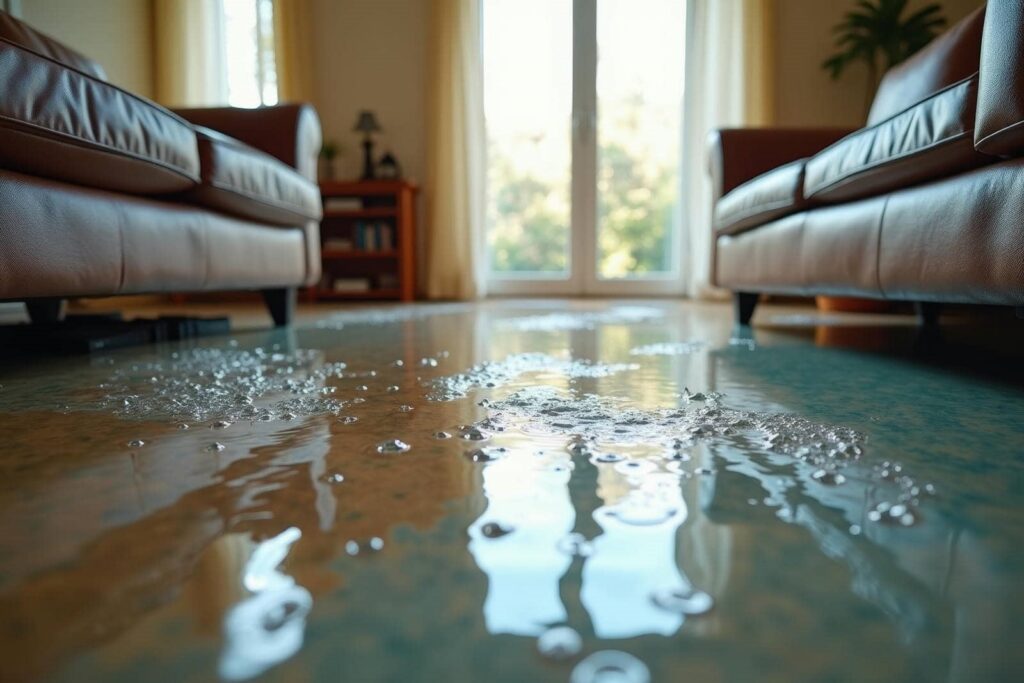
When your home suffers from flooding, it’s important to approach restoration methodically. You need to prioritize safety first, ensuring the area is secure. Evaluating the damage accurately can help with insurance claims, and knowing how to remove water efficiently is critical for preventing further issues. But what repairs should you focus on first, and how can you safeguard your home against future floods? These are significant questions that deserve careful consideration.
Key Takeaways
- Conduct a thorough damage evaluation to document issues and assess salvageable items for insurance claims.
- Ensure safety by turning off electricity, wearing protective gear, and inspecting for structural damage before entering the flooded area.
- Use pumps or wet vacuums for effective water removal, and consider hiring professionals for severe flooding situations.
- Prioritize repairs by addressing mold remediation, structural integrity, and electrical system safety to ensure a secure environment.
- Implement long-term solutions like improving drainage systems, installing flood barriers, and maintaining gutters to prevent future flooding.
How to Assess Flood Damage Effectively
When you step back into your flooded home, it’s essential to assess the damage thoroughly so you can tackle repairs effectively.
Start with a detailed damage evaluation; check walls, floors, and ceilings for water stains, warping, or mold. Take photos to document everything—this’ll be vital for your insurance claims.
Pay attention to your belongings, too; some items may be salvageable, while others might need to be discarded. Make a list of affected areas and items to streamline the claims process.
Safety Measures to Prioritize Before Restoration
Before diving into restoration efforts, prioritizing safety is essential, especially given the unpredictable hazards lurking in a flooded home. You want to protect yourself and your loved ones as you navigate this challenging situation.
Here are key safety measures to keep in mind:
Turn off the electricity to prevent electric shocks and ensure electrical safety in wet areas.
Wear protective gear such as gloves and masks to guard against contaminants and mold spores.
Inspect for structural damage before entering, confirming the space is stable and safe.
Ventilate the area to help with mold prevention and reduce humidity levels.
How to Remove Water Effectively
Once you’ve secured your safety, it’s time to tackle the water removal process. Start by using effective water extraction methods like pumps or wet vacs to remove standing water.
If the flooding is severe, consider reaching out to professionals for help. They’ve the tools and expertise to expedite the process.
Next, focus on drainage system improvements to prevent future issues. Verify that gutters are clear and downspouts direct water away from your home.
After the bulk of the water is gone, use fans and dehumidifiers to dry out the space thoroughly. This prevents mold and helps restore a sense of comfort.
What Repairs Should You Focus On After a Flood?
After the waters recede, it’s essential to focus on the repairs that will restore your home and peace of mind.
Start by addressing critical areas to ensure safety and comfort for you and your family. Here’s what to prioritize:
Mold remediation: Remove any damp materials and treat the affected areas to prevent health risks.
Structural integrity: Inspect walls, floors, and foundations for damage to ensure your home remains safe.
Electrical systems: Check wiring and outlets for water exposure; replace anything compromised to avoid hazards.
HVAC systems: Clean or replace units to ensure proper air circulation and eliminate odors.
Long-Term Solutions to Prevent Future Flooding
While it’s easy to feel overwhelmed after experiencing a flood, implementing long-term solutions can greatly reduce the risk of future incidents.
Start by evaluating and improving your drainage systems. Properly designed drainage can redirect water away from your home, minimizing potential damage.
Consider installing flood barriers around your property; these can be a simple yet effective line of defense against rising water levels.
Additionally, landscape your yard to encourage runoff away from your foundation. Regular maintenance of gutters and downspouts is essential, too; they should be clear and functional.
By taking these proactive steps, you protect your home and foster a sense of security within your community.
You’re not alone in this journey—together, we can create safer living environments.
Frequently Asked Questions
How Quickly Should I Start the Restoration Process After a Flood?
You should start the restoration process as soon as possible, ideally within 24 to 48 hours. Quick action minimizes flood damage, shortens your restoration timeline, and helps you reclaim your home more efficiently.
Can I Stay in My Home During the Restoration?
Staying safe’s essential; you shouldn’t stay in your home during restoration. Flood safety matters, and the restoration timeline can be lengthy. Prioritize your well-being and seek temporary shelter until the space is safe again.
What Items Should I Keep Versus Discard?
Keep flood-damaged belongings that are salvageable, like sturdy furniture and cherished items. Discard anything beyond repair, like wet carpets or contaminated materials. Focus on restoration essentials that can help you rebuild your home with care.
How Do I Deal With Mold After Flooding?
To deal with mold after flooding, you’ll need to quickly dry out affected areas, ventilate spaces for better air quality, and use mold prevention measures, like antifungal sprays, to protect your home and peace of mind.
Will My Insurance Cover Flood Restoration Costs?
Your flood insurance can be a lifeline, but it’s essential to check your coverage limits. Review your policy carefully; it’ll reveal what restoration costs are covered, helping you navigate this challenging situation with clarity and support.
Recap
Restoring a flooded home can be overwhelming, but taking a systematic approach makes all the difference. Remember, flood insurance claims often come from properties not in high-risk areas, highlighting the importance of being prepared regardless of your location. By prioritizing safety, efficiently removing water, and implementing long-term solutions, you can protect your home and peace of mind. Stay proactive, and you’ll recover and strengthen your resilience against future floods.